Home Unexplained Mysteries Crime Mysteries London’s most notorious gangsters the Kray Twins

London’s most notorious gangsters the Kray Twins

0
77

London. The Swinging Sixties. A time of Mini Coopers, The Beatles, and Mary Quant miniskirts. But strip away the pastel colors and the pop music, and you find a city rotting from the inside out. A city held by the throat. Two pairs of eyes watched it all happen from the back of a smoky Mercedes. Cold. Dead. Identical.

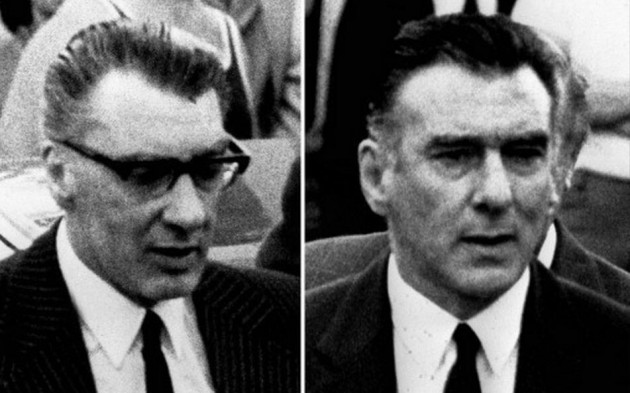
We are talking about the Kray Twins. Reggie and Ronnie. The Kings of the East End. But this isn’t just a story about gangsters in nice suits. This is a descent into madness, paranoia, and a brutality so specific, so terrifying, that it haunts the streets of Whitechapel to this day.

You think you know the story? You don’t.

Buckle up. We are peeling back the layers of the legend to find the blood-soaked truth beneath.

London’s most notorious gangsters the Kray Twins

The DNA of Violence: Born to Rule?

Let’s look at the biology of “The Firm.” Reginald and Ronald didn’t just wake up one day and decide to own London. It was bred into them. They carved their names into history with razors, but the ink was mixed long before they were born.

It’s a fact often glossed over, but the Kray bloodline was a cocktail of survival instincts. They boasted a heritage that was Romany, Irish, and Jewish. Think about that mix. These were communities that had to fight for every inch of ground they stood on in the early 20th century. Hardship wasn’t a possibility; it was a guarantee. The twins inherited a legacy of resilience. And rage.

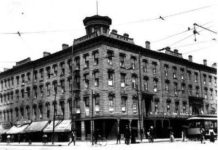
They grew up at 178 Vallance Road. A modest, four-room Victorian terraced house. It sounds quaint, right? Wrong. This was the deep East End. Poverty was the wallpaper. They shared this cramped space with their older brother Charlie, their mother Violet (the center of their universe), and their father, Charlie Senior.

If you go looking for 178 Vallance Road today, you won’t find it. The city erased it. It was demolished in the late 1980s to make way for new builds. It’s almost as if London wanted to scrub the stain away. But you can’t scrub away a memory like that.

The “What If?” Scenario: The Boxing Ring

Here is where history almost took a left turn. Before the nightclubs, before the murders, there was the ring. Reggie and Ronnie were phenomenal boxers. We are talking professional potential. They had the discipline, the speed, and the power. In their teens, they were unstoppable.

Imagine a world where the Kray Twins became Olympic gold medalists instead of crime lords. It was close. So close. But they had a fatal flaw. They couldn’t leave the violence between the ropes.

They fought dirty. They fought angry. Their tendency to brawl outside the ring—spilling blood on the pavement rather than canvas—scared the boxing authorities stiff. They were banned. The dream died. And when that door closed, the gates of Hell opened. They took that athletic discipline and applied it to organized crime.

The Psychology of Terror: Ronnie’s fractured Mind

Reggie was the businessman. Charming. Calculated. Dangerous, yes, but rational. Ronnie? Ronnie was a grenade with the pin pulled out.

By his early 20s, it was clear something was wrong. Very wrong. Ronnie didn’t just have a bad temper; he had voices in his head. He suffered from severe paranoid schizophrenia. But in the 1950s and 60s, mental health care wasn’t exactly advanced. Especially not for a gangster.

He was certified insane. Sectioned. But you can’t keep a man like Ronnie Kray locked up in a hospital when his brother owns the city. He got out. And he brought his madness to the boardroom of The Firm.

Think about the terror of working for them. You weren’t just afraid of getting whacked for stealing money. You were afraid that Ronnie might decide, based on a whisper only he could hear, that you were an enemy. His violence was explosive. Unpredictable. He wanted to be like the gangsters in the movies. He wanted the blood to spray. For Ronnie, violence wasn’t just business. It was performance art.

The Glitz, The Glamour, and The Gore

This is the part that baffles modern minds. How did they get away with it? Why were they treated like royalty?

The Krays were the ultimate chameleons. By night, they owned upmarket nightclubs in Knightsbridge. They put on tuxedos. They poured champagne. They rubbed shoulders with the absolute elite. We are talking Frank Sinatra. Judy Garland. Barbara Windsor.

Why did the stars love them? It’s the “bad boy” paradox. The Hollywood elite were drawn to the genuine danger the twins exuded. And the twins? They loved the validation. It was a symbiotic relationship. The celebs got a walk on the wild side; the Krays got legitimacy.

But while Sinatra was singing, the twins were plotting. They used these clubs as fronts. Fortresses. While the paparazzi snapped photos of them smiling with actors, the trunks of their cars were loaded with sawn-off shotguns and machetes.

Deep Dive: The Trinity of Death

You can’t talk about the Krays without talking about the bodies. They are infamous for three specific murders, each one marking a step closer to their doom.

1. George Cornell: The Blind Beggar Execution

March 9, 1966. The Blind Beggar pub. George Cornell, a rival gangster, was drinking. He had called Ronnie a “fat poof” earlier. A fatal error. Ronnie walked into the pub. Calm. Cornell smiled, saying, “Well, look who’s here.”

Ronnie didn’t speak. He raised a 9mm Luger and put a bullet straight into Cornell’s forehead. In front of witnesses. The jukebox was still playing. Ronnie walked out. Nobody saw a thing. That is power. That is fear.

2. Frank Mitchell: The Mad Axeman

Frank Mitchell was a brute. A giant. The Krays broke him out of prison to embarrass the authorities. But Mitchell became a liability. He was too big, too loud, too mentally unstable. They couldn’t control him. So, they “solved” the problem. He vanished. Years later, it was revealed he was shot in the back of a van. His body? Never found. Some say he’s part of the foundation of a London flyover.

3. Jack “The Hat” McVitie: The Breaking Point

This was the end. The messy, horrific end. McVitie had disrespected the twins. He was lured to a party in Stoke Newington. Reggie tried to shoot him. The gun jammed. Imagine the silence in that room. The click of the trigger.

Reggie didn’t panic. He was handed a carving knife. He stabbed McVitie in the face, the chest, the stomach. Over and over. It wasn’t a hit; it was a frenzy. They didn’t just kill him; they pinned him to the floor with the blade. This sloppy, rage-fueled slaughter was what finally gave the police the evidence they needed.

The Secret Life: Taboos in the Underworld

In the 1960s, being gay wasn’t just frowned upon; it was a criminal offense in the UK until 1967. Now, imagine being gay in the hyper-masculine, violent world of East End gangsters.

Both twins grappled with their sexuality. Ronnie was openly homosexual (well, as “open” as a gangster could be). He didn’t care. He liked boys. He liked rugged men. He liked the danger of it. Reggie was bisexual. This dynamic created a strange tension within The Firm.

There are theories—modern internet theories that hold weight—that their sexuality was the leverage the authorities used. Or perhaps, it was the leverage the twins used. Did they have compromising photos of politicians at their parties? The rumour of Lord Boothby and Ronnie Kray nearly brought down the government. The establishment was terrified of what the twins knew.

The Tragic Mystery of Frances Shea

Reggie wanted a normal life. Or he thought he did. He married Frances Shea. She was stunning. A dead ringer for Brigitte Bardot. Innocence personified.

But putting a bird in a cage with a tiger doesn’t end well. Their relationship was a disaster. Jealousy. Control. Fear.

She died at age 24. Suicide, the inquest said. But looking back with modern eyes, it feels wrong. Her diaries, revealed decades later, paint a picture of psychological torture. She wanted out. Reggie wouldn’t let her go. Did she take her own life to escape him? or was she silenced?

Reggie went to her funeral in handcuffs. A PR stunt? Or genuine grief? To his dying day, he claimed he loved her. But love in the world of the Krays usually meant possession.

The Cycle Completes: The Old Bailey

Fate has a twisted sense of humor.

When the twins were 19, they stood in the dock at the Old Bailey (London’s central criminal court) for an assault charge. They walked free. Lack of evidence. They probably laughed about it.

Sixteen years later. 1969. They stood in the exact same spot. But the laughter was gone. The team of detectives, led by the tenacious “Nipper” Read, had finally cracked the wall of silence. They had the witnesses. They had the forensic science.

Reggie and Ronnie were handed life sentences. The judge said society needed a rest from their activities. Understatement of the century.

The Legacy: Why Are We Still Obsessed?

They died years ago. Ronnie in 1995, Reggie in 2000. Yet, here we are. Analyzing their every move. Why?

Because they represent the ultimate contradiction. They loved their mother. They gave money to charity. They wore perfect suits. And they nailed people to floors.

The Kray Twins are a dark mirror of the 1960s. While the hippies were preaching peace and love, Reggie and Ronnie were practicing war and hate. They are the monsters under the bed of British history. And let’s be honest, the monsters are always more interesting than the heroes.

Originally posted 2015-09-24 14:02:24. Republished by Blog Post Promoter