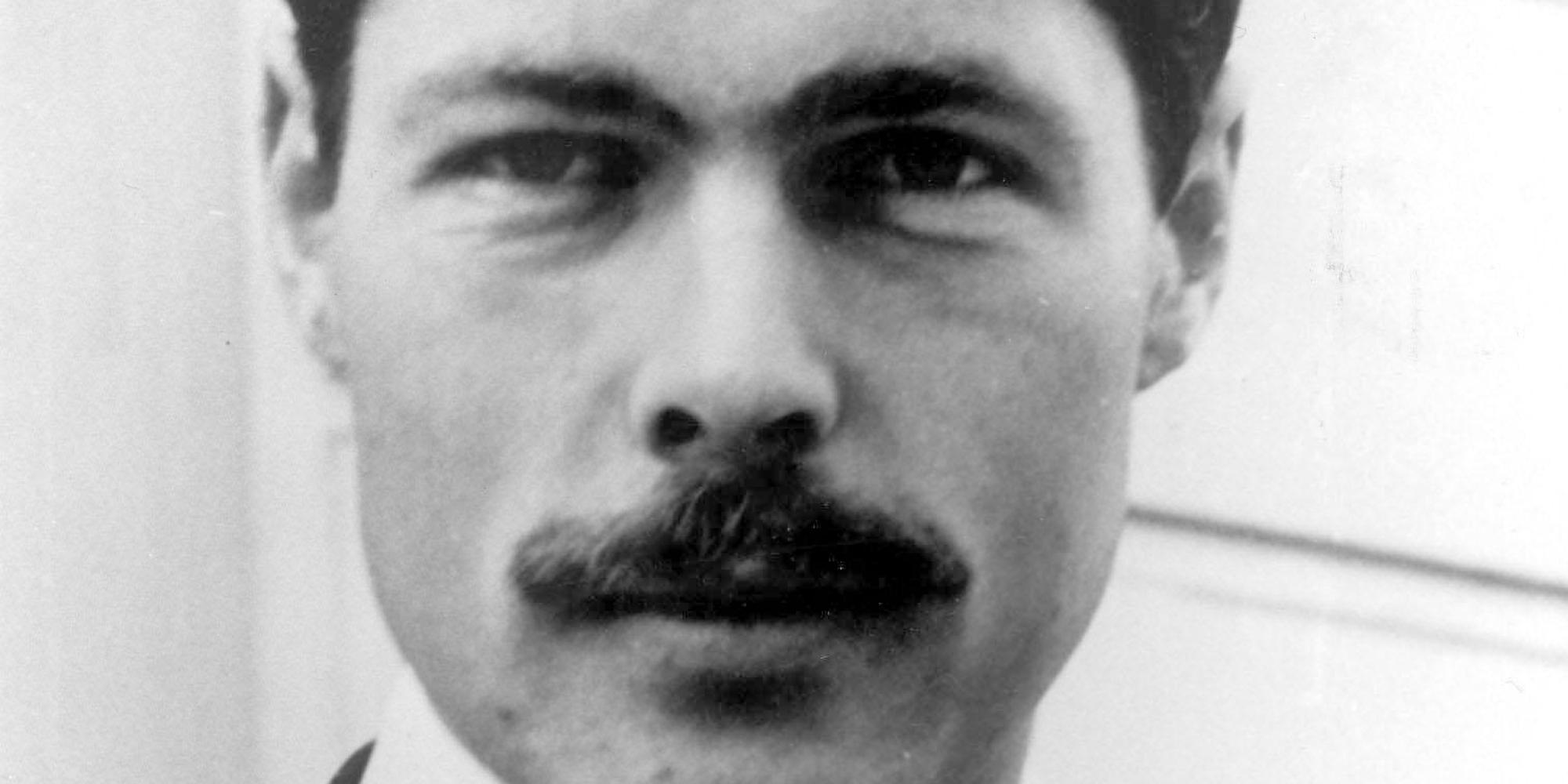
It is the ultimate cold case. A bloody basement, a bludgeoned nanny, a hysterical countess, and an aristocrat who simply… evaporated.
Of all life’s mysteries, big or small, the vanishing of Lord Lucan occupies a peculiar, almost mythical place in the public imagination. It isn’t just a murder mystery. It’s a ghost story. A class war. A glimpse into a secret world of privilege where the normal rules of gravity—and justice—apparently don’t apply.

We remain, of course, fascinated by it. Obsessed, even. We are eager to speculate and pontificate, now almost certainly safe in the knowledge that no one is ever going to come forward and spoil the fun by actually solving the thing. Or will they?
The Night Belgravia Bled
To understand the ghost, you have to look at the blood. Let’s go back. November 7, 1974. 46 Lower Belgrave Street. This was the heart of elite London, a place where scandals were usually hushed up over brandy and cigars. But not this time.
The story is grisly. Visceral. Sandra Rivett, the 29-year-old nanny, went downstairs to make tea. She never came back up.
In the gloom of the basement, a man was waiting. He had removed the lightbulb. He held a length of lead pipe, specially prepared and wrapped in tape to reduce the noise of impact. This was premeditated. Cold. When Sandra descended into the dark, she was struck with terrifying force.
The killer’s plan was simple, yet shockingly stupid: he intended to murder his estranged wife, Lady Veronica Lucan. He wanted custody of the children. He wanted his debts gone. He wanted to win. But in the shadows, he made a fatal error. He attacked the wrong woman.
The Botched Job
Is he dead? Is he living in Africa? Did he throw himself off a cross-Channel ferry? These questions haunt us because the crime itself was so chaotic. After killing Rivett, the attacker—Lord Lucan, by almost all accounts—ran into his wife. A struggle ensued. Fingers were bitten. Screams echoed.
Lady Lucan, in a moment of desperate survival instinct, managed to calm him down. They sat on the stairs. Can you imagine the adrenaline? The horror? She eventually fled to a nearby pub, the Plumbers Arms, screaming a line that would become legendary in British crime history: “Help me, help me, he’s just murdered my nanny!”
Meanwhile, Lucan hot-footed it out of swanky Belgravia, leaving a trail of destruction behind him. And all the while, his young children slept quietly in their beds just above the scenes of savagery.
The Man Behind the Mustache
Why do we care? Honestly? Because he was one of them.
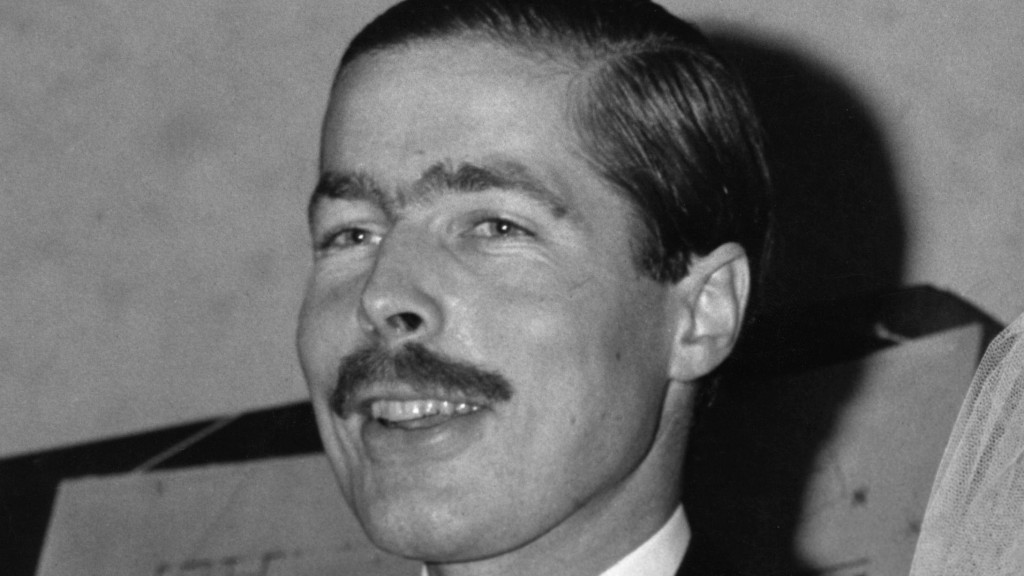
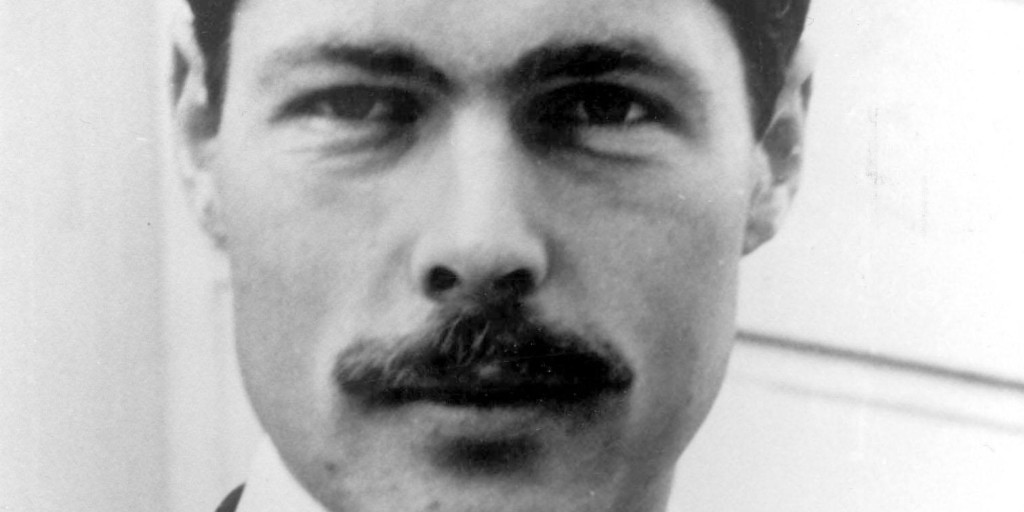
John Bingham, the 7th Earl of Lucan, was a professional gambler. A man with the looks of a villain from a Bond movie and the bank account of a man drowning in debt. He was a member of the “Clermont Set,” a group of ultra-rich, ultra-arrogant gamblers who gathered at the Clermont Club in Mayfair.

He then did the gentlemanly thing by running away and not facing up to the justice he so richly deserved. A true coward’s exit.
Yet, we remain, collectively, fascinated by him. He was, after all, one of the upper, privileged class. A man who mingled with the movers and shakers. He drove powerboats. He smoked expensive cigarettes. He looked the part.
In short, he lived a lifestyle many would, excuse the poor-taste line, kill for, yet he still managed to so spectacularly balls it up. He had everything, and he threw it away in a fit of rage and a botched swing of a lead pipe.
The Escape: A Trail Cold as Ice
Here is where the facts end and the legend begins. After the murder, Lucan drove a borrowed Ford Corsair to a friend’s house in Uckfield, Sussex. He wrote letters. Strange, rambling letters. He claimed he was passing the house and saw a fight. He claimed he interrupted a burglar. Lies. Pure fantasy.
He left that house in the early hours. The Ford Corsair was later found abandoned at the port of Newhaven. Inside? A piece of lead pipe similar to the murder weapon. Bloodstains.
But no body.
The police dragged the harbor. They sent divers down into the murky, freezing water. Nothing. Not a bone. Not a shoe. He had vanished into thin air.
Theory 1: The English Channel
The most boring theory? He jumped. The chances are he topped himself one way or the other on that fateful night in November 1974. The car was there. The ferry terminal was there. It’s neat. It’s tidy.
But that wouldn’t be very exciting, would it? Papers would not be sold as a result. And where is the body? Bodies usually wash up. The Channel is busy. It spits things back out. For a man to disappear completely in those waters is possible, but statistically unlikely.
Theory 2: The Jungle and the Tigers
Far more intriguing is the prospect he disappeared to deepest darkest Africa and lived a secret life a long way from the allegedly long arm of the law.
And should you be left still perhaps feeling a twang of misplaced sympathy for him, consider his friends. The “Clermont Set.” Men like John Aspinall and James Goldsmith. These were men who believed they were above the law. They believed that aristocrats shouldn’t be bothered by the petty rules of the police.
His closest friends were happy not to tell him to face justice, but potentially assist his passage to somewhere other than the UK and evade capture. Or, of course, they didn’t.
But listen to this wild theory: John Aspinall owned a private zoo. A place filled with tigers and lions. There was a dark rumor, whispered in London pubs for decades, that Lucan committed suicide, and Aspinall fed his body to the tigers to destroy the evidence. No body, no crime. It sounds like fiction. But with these people? Anything was on the table.
The “Jungle Barry” Sightings
We can assume the Freddie Mercury moustache left his upper lip pretty sharpish if indeed he fled. After a catalogue of quite staggeringly stupid actions, he surely switched on the brain cells and decided to keep out of sight.
Sightings flooded in. He was a hippie in Goa, India (known as “Jungle Barry”). He was a sheep farmer in New Zealand. He was spotted in a burger bar in Durban, South Africa. Every time a tall British man with a posh accent ordered a drink in the Southern Hemisphere, someone called Scotland Yard.
Modern Twists: AI and The Buddhist Monk
But you cannot help thinking the mystique which grew around Lucan and his disappearance did no harm at all to his friends’ reputations. It managed to keep them in the national public eye for many a decade.
And there’s nothing more alluring than a mystery which could potentially be solved should someone – preferably a famous person – open their mouth and spill the proverbial beans.
Recently, the story exploded again. Modern technology has entered the chat.
In the last few years, leading experts in artificial intelligence and facial recognition have run old photos of Lucan against databases of unidentified men. One match sent shockwaves through the internet: an elderly Buddhist monk living in Australia.
Professor Hassan Ugail, a visual computing expert, used an algorithm that claimed a “match” between the Earl and the monk. The nose. The ears. The bone structure. Could the violent, gambling aristocrat have found peace in a monastery Down Under?
The monk denied it, obviously. But then, wouldn’t he?
The BBC Revelation
Nearly 40 years on, the story took another twist before the AI theories even started. A BBC report suggested the mystery—which had eluded police, private investigators, and the media—had indeed been solved.
The proof was a woman who was once a secretary at John Aspinall and James Goldsmiths’ London casino. Despite both men carrying the secret of Lucan’s whereabouts to their graves, they apparently confided vital information to this woman.
She claimed he was spirited away to Africa. That he watched his children grow up from afar. That the “suicide” was a convenient lie told to stop the police from hunting him across the globe. If true, it means one of the most famous manhunts in history was a farce from day one.
Why We Can’t Let Go
No, Lord Lucan and his disappearance will forever remain one of those stories we never get to the bottom of. It is the Titanic of murder cases. Unsinkable. Unsolvable.
Why does it grip us? Because it represents a crack in the system. It suggests that if you have enough money, enough powerful friends, and enough audacity, you can get away with murder. Literally.
Maybe he is dust in the English Channel. Maybe he was tiger food. Or maybe, just maybe, an old man sat on a porch in Africa, or a monastery in Australia, watching the sun go down, laughing at how he fooled the world.
Originally posted 2016-02-22 20:27:51. Republished by Blog Post Promoter