 Baalbek, known as “The Landing Place” to ancient Sumerians. Megalithic ruins from 7,000 B.C.
Baalbek (Arabic: ??????) is a town in the Bekaa Valley of Lebanon, altitude 1,170 metres (3,840 ft), situated east of the Litani River. It is famous for its exquisitely detailed yet monumentally scaled temple ruins of the Roman period, when Baalbek, then known as Heliopolis, was one of the largest sanctuaries in the Empire. It is Lebanon’s greatest Roman treasure, and it can be counted among the wonders of the ancient world, containing some of the largest and best preserved Roman ruins.
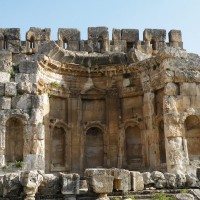
- Aleppo Baalbek
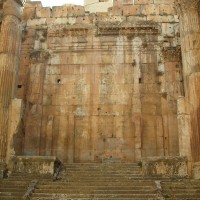
- Alter of Baalbek
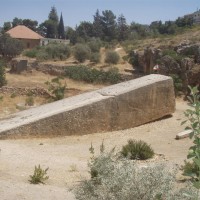
- Ancient Aliens Lost Technology of Baalbek
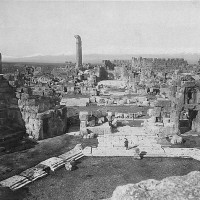
- Ancient Baalbek
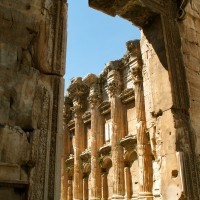
- Ancient City of Baalbek Bacchus
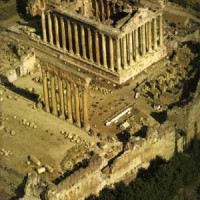
- Ancient Roman Temple on site of Baalbek
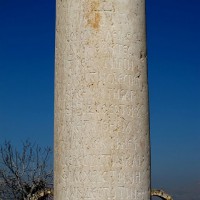
- Anjar Greek Inscription on Re-used Column
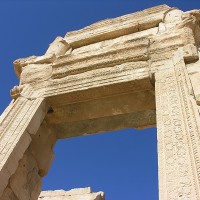
- Arc near Tempel of Bel
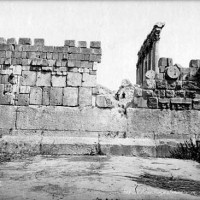
- Baalbek 1200 Ton Megalith
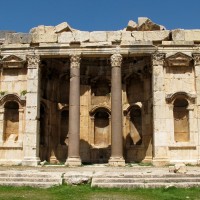
- Baalbek Alcove of Great Courtyard
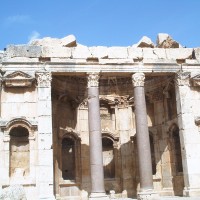
- Baalbek Alter
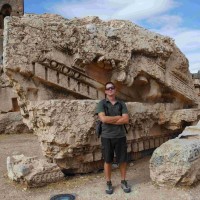
- Baalbek Ancient Aliens Devistation Lost Technology
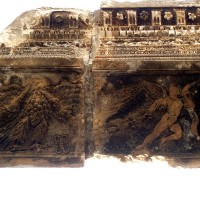
- Baalbek Ancient Art
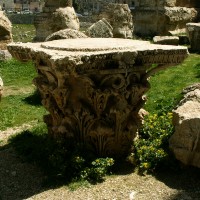
- Baalbek Ancient Art Stone Megalith Artwork
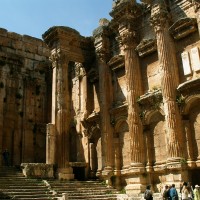
- Baalbek Ancient City
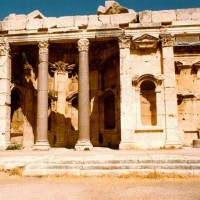
- baalbek ancient city mystery
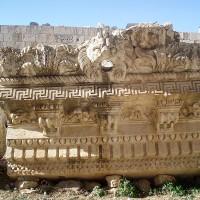
- Baalbek Ancient Decorative Designs Lost Technology
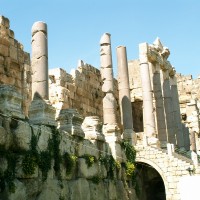
- Baalbek Ancient Engineering
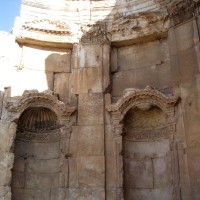
- Baalbek Ancient History Ancient Aliens
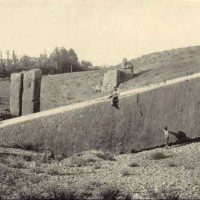
- Baalbek Ancient Mystery
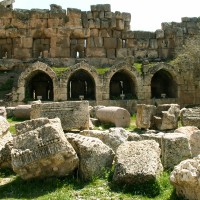
- Baalbek Ancient Stone Master Builders
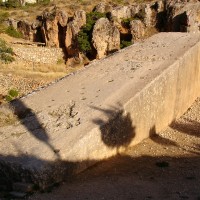
- Baalbek Ancient Technology Massive Stone Megalith
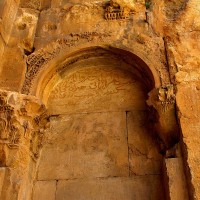
- Baalbek Arabic Graffiti Interior of Bacchus Temple
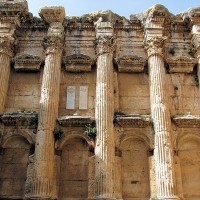
- Baalbek Archetecture Ancient Technology
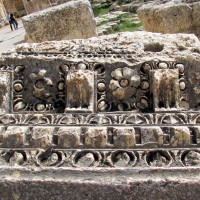
- Baalbek Art Decorating
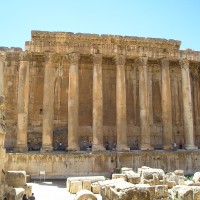
- Baalbek Bacchus Temple
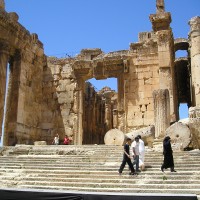
- Baalbek Bacchus Temple Entrance
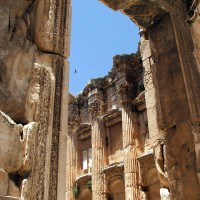
- baalbek baccus
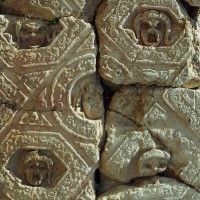
- Baalbek Ceiling Details
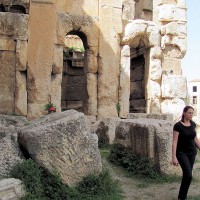
- Baalbek Chambers
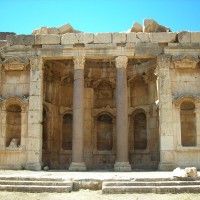
- Baalbek City
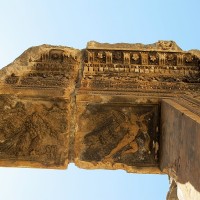
- Baalbek Closeup of Lintel Bacchus Temple
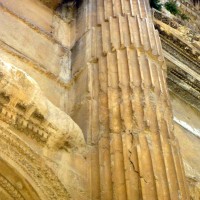
- baalbek columns
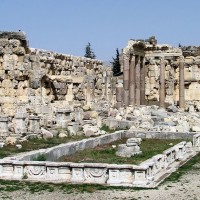
- Baalbek Courtyard
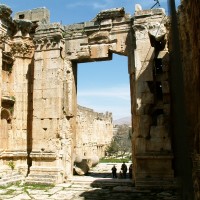
- Baalbek Courtyard Ancient Mystery
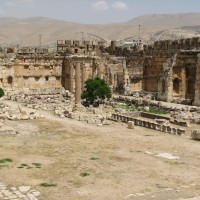
- Baalbek Courtyard Ruins
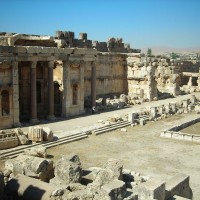
- Baalbek Courtyard Ruins Devistation
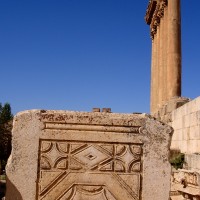
- Baalbek Decorated Megalithic Strutures
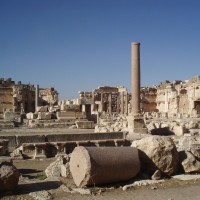
- Baalbek Destroyed Ruins Megalithic
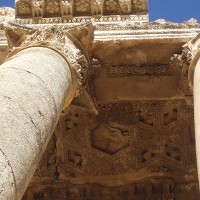
- Baalbek Discovery
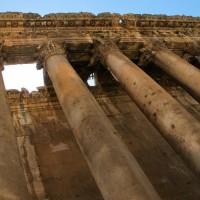
- Baalbek Exterior of Bacchus Temple
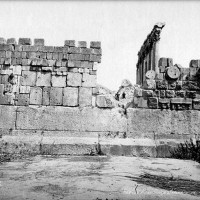
- Baalbek Foundation Megaliths
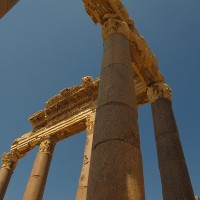
- Baalbek Freestanding Columns
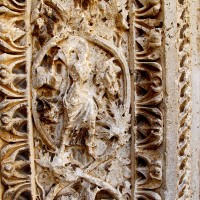
- Baalbek Frieze on Entry Portal to Bacchus Temple
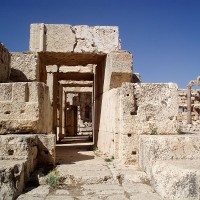
- Baalbek Hallways
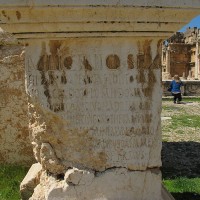
- Baalbek Inscription on Ruin Fragment
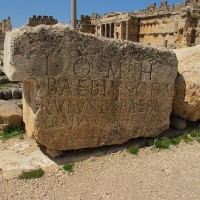
- Baalbek Inscription to Jove
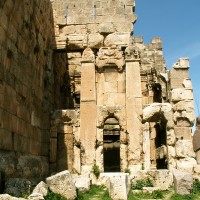
- Baalbek Interior
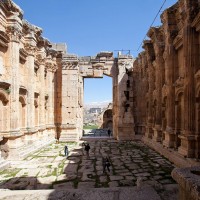
- Baalbek Interior Courtyard
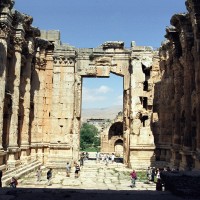
- Baalbek Interior Temple of Bacchus
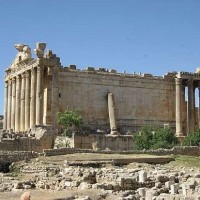
- Baalbek Jupiter
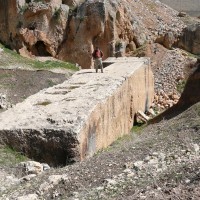
- Baalbek largest stone megalith
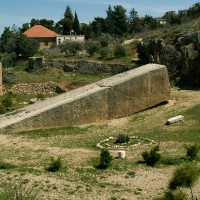
- Baalbek Largest Stone Monument in the World
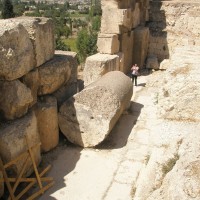
- Baalbek Lebanon
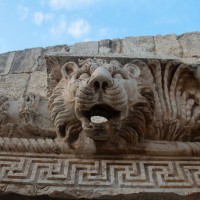
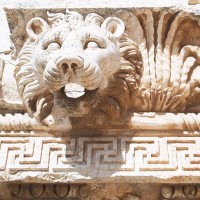
- Baalbek Lebanon Lion Head Water Spout
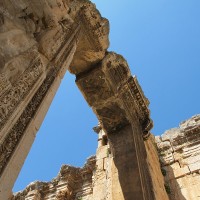
- Baalbek Lintel of Entry Portal to Bacchus Temple
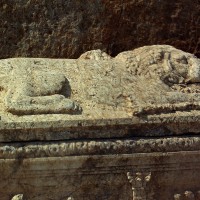
- Baalbek Lion
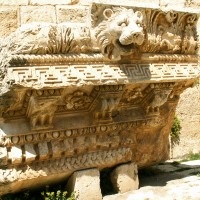
- Baalbek Lion Head Waterspout Ancient Engineering
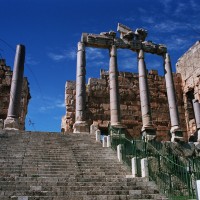
- Baalbek main entrance
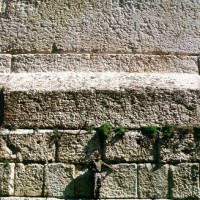
- Baalbek Megalith Foundation
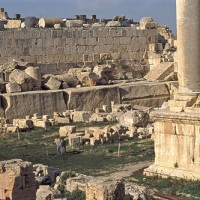
- Baalbek Megalith Stone Foundations Ancient Mystery
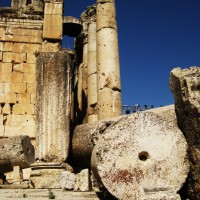
- Baalbek Megalithic Stone Monuments
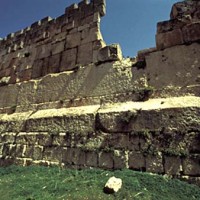
- baalbek megalithic stones
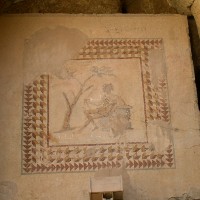
- Baalbek Mosaic of Bacchus Under a Tree
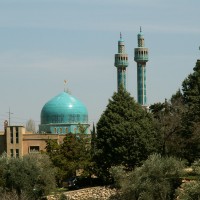
- Baalbek Mosque Ancient Mystery
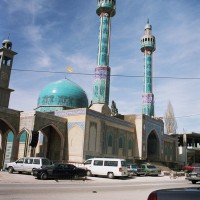
- Baalbek mosque hezbollah flag
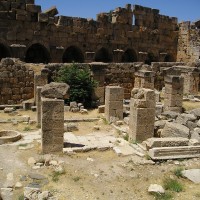
- Baalbek Mosque Pillars
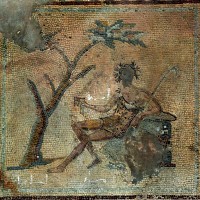
- Baalbek Motif Art
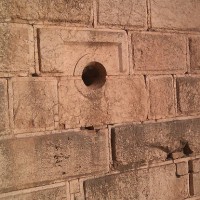
- Baalbek mysterious shaft
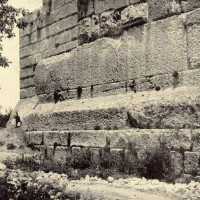
- Baalbek Old Photo of Ancient Stone Megalith Foundations
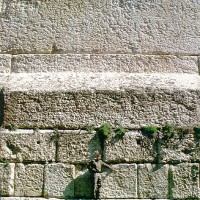
- Baalbek Oldest Megalithic Site in the World
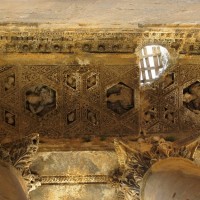
- Baalbek Outer Portico of Bacchus Temple
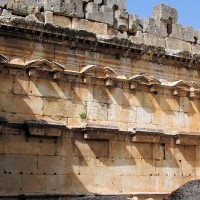
- Baalbek Palace Interior
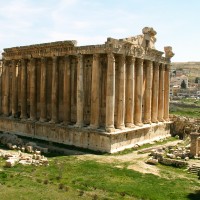
- Baalbek Palace of Jupiter
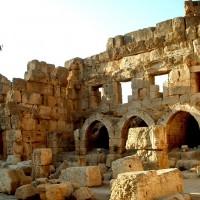
- Baalbek Passageways
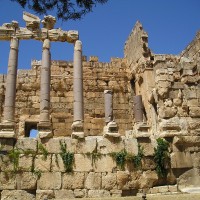
- Baalbek Propylaea
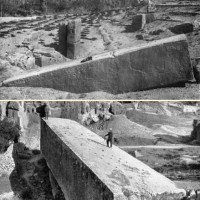
- Baalbek Quarry Ancient Mystery Ancient Aliens
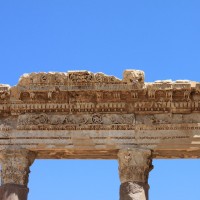
- baalbek Remains
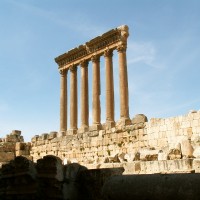
- Baalbek Roman Construction at Ancient Site
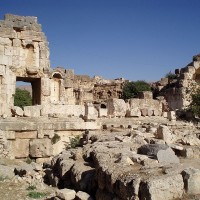
- Baalbek Ruins
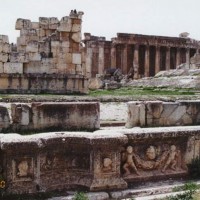
- baalbek ruins detailed stone work
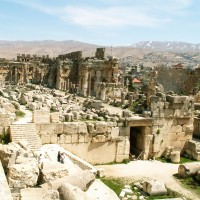
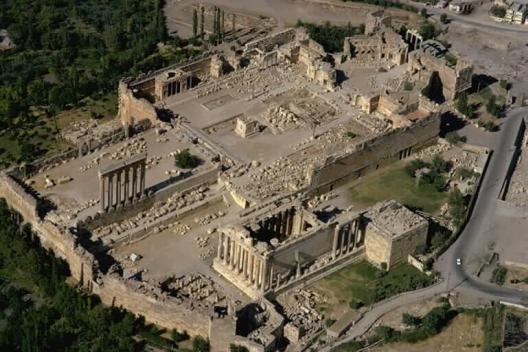
- Baalbek Ruins from Above
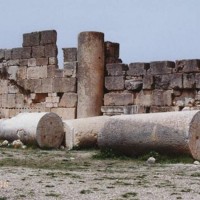
- Baalbek Ruins of Columns
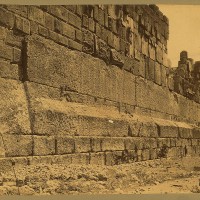
- Baalbek Sacred Mystery
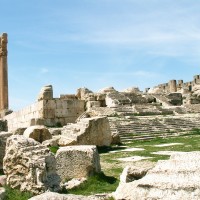
- Baalbek Sacred Places
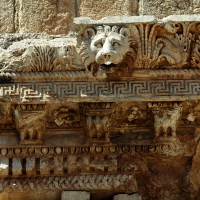
- Baalbek Sacred Symbols Lion Water
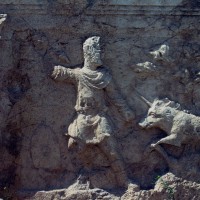
- Baalbek Sarcophagus
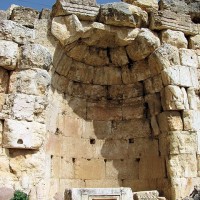
- Baalbek Shrine
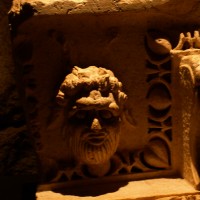
- Baalbek Stone Artwork
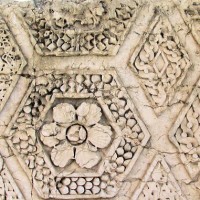
- Baalbek Stone Details
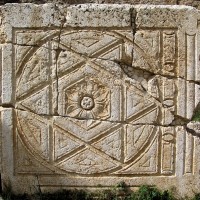
- Baalbek Stone Geometry
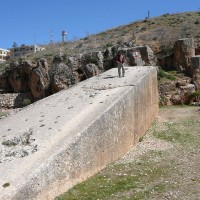
- Baalbek Stone of Pregnant Woman
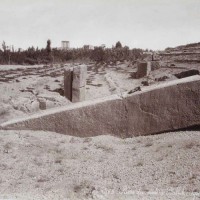
- Baalbek Syria Trilithon
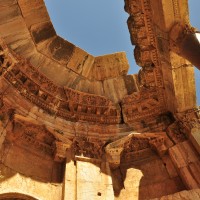
- Baalbek Temple
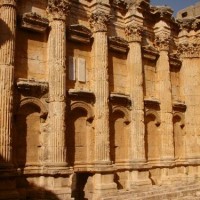
- Baalbek Temple Bacchus
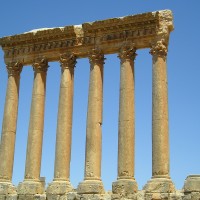
- Baalbek Temple Jupiter Column Ruins
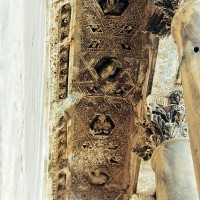
- Baalbek Temple of Bacchus
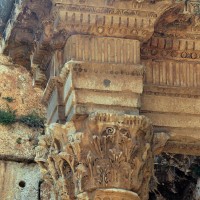
- Baalbek Temple of Bacchus Columns
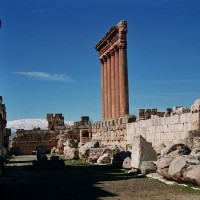
- Baalbek Temple of Jupiter
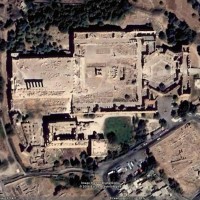
- Baalbek Temple Ruins Lebanon Ariel View
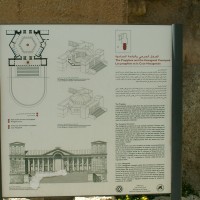
- Baalbek Tourist Map
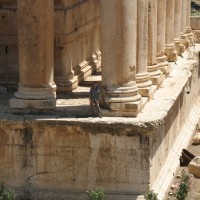
- Baalbek Trilithon
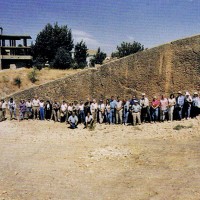
- Baalbek Trilithon Ancient Technology
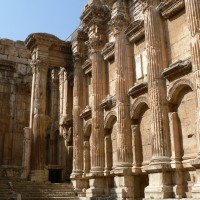
- Bacchus Baalbek
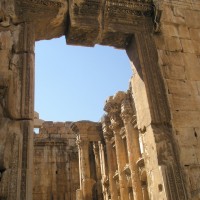
- Bakchus Brana Baalbek
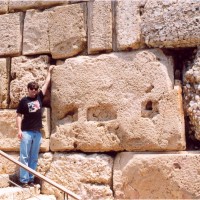
- Byblos Baalbek
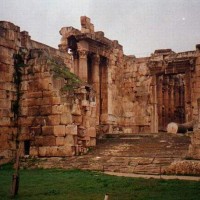
- City of Baalbek Ruins
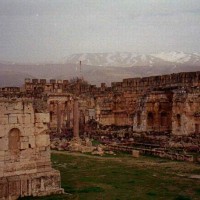
- City of Baalbek Ruins overlooking the Mountains
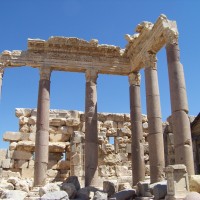
- Columns at Baalbek
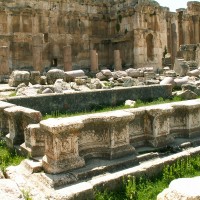
- Courtyard Baalbek Lebanon
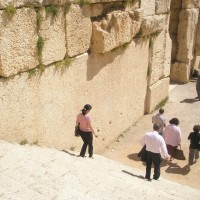
- Cyclops Baalbek Massive Megalithic Stone Foundations
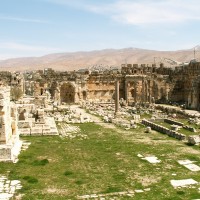
- Destroyed Baalbek Ancient Mystery 9,000 BC
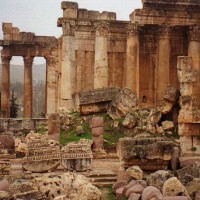
- Destroyed Baalbek Lost Ancient Technology Sacred Knowledge
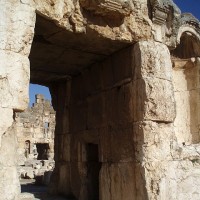
- Enterance to Baalbek
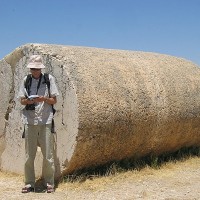
- Fallen pillar segment in Balbek
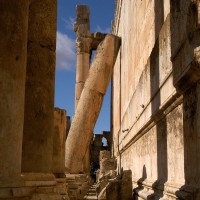
- Falling Column Baalbek
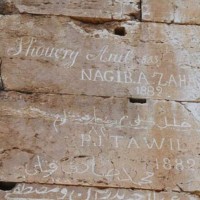
- Graffiti at Baalbek
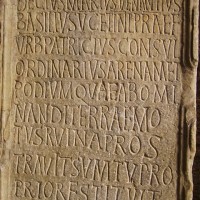
- habemus papam et bacchus regebat
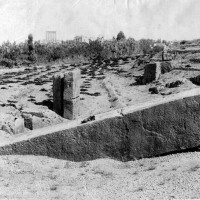
- Impossible Stone Megalith Baalbek
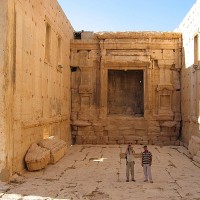
- Inside Tempel of Bel
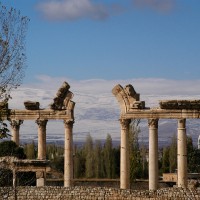
- Keystone Missing at Baalbek
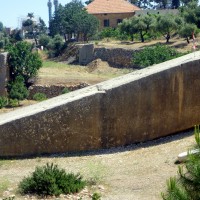
- Largest Megalith Baalbek
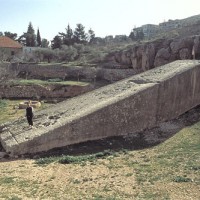
- Largest Stones in the World Baalbek
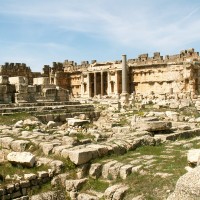
- Lebanon Courtyard Baalbek
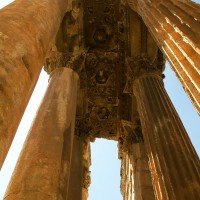
- Massive Stone Monuments of Baalbek
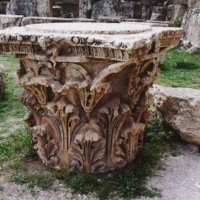
- Master Builders Baalbek Ancient Mystery
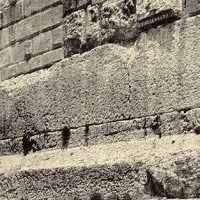
- Megalithic Trilithon Baalbek
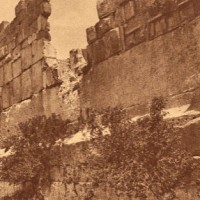
- Megaliths Man Made Platform Baalbek
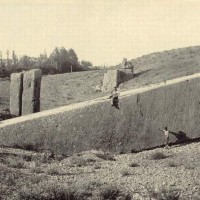
- Old Photo Baalbek Giant Megalith
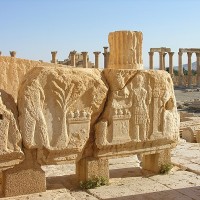
- Part of arc near Tempel of Bel
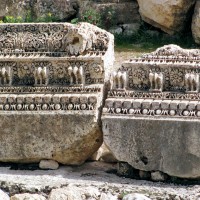
- Remains of Baalbek
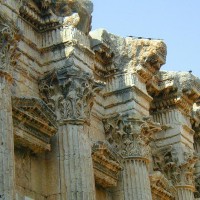
- Remains of Baalbek Temple Columns
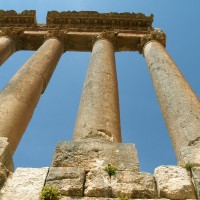
- Roman Megaliths at Baalbek
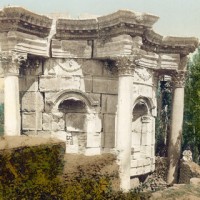
- Round Temple of Venus in Baalbek
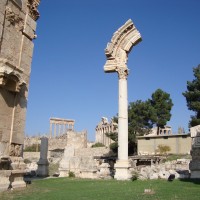
- Ruins of Baalbek Courtyard
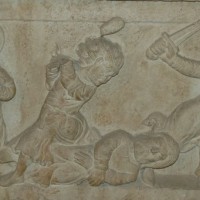
- sarcophage des sts Serge et Bacchus (1179) Vérone, musée du Castelvecchio
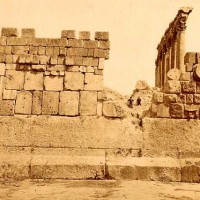
- Site of Baalbek Megaliths
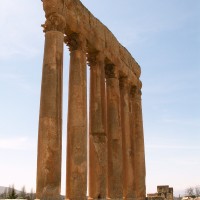
- Standing Wall of Temple at Baalbek
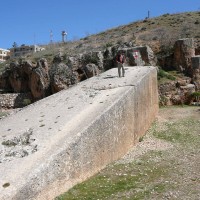
- Stone of Pregnant Woman Baalbek
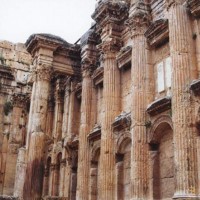
- Temple Baalbek
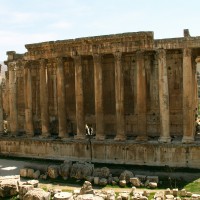
- Temple of Jupiter at Baalbek
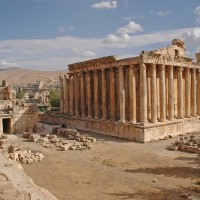
- Temple of Jupiter Baalbek
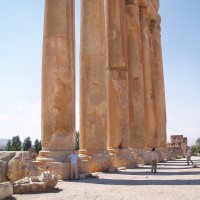
- Temple of Jupiter in Baalbek Lebanon
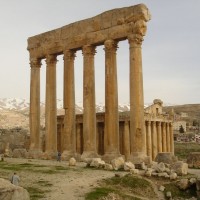
- Temple of Jupiter Ruins
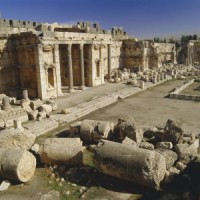
- The Acropolis of Baalbek Middle East
- Waterspout Lion Baalbek
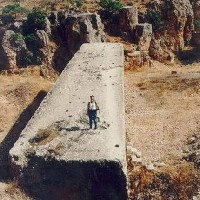
- Worlds Largest Megalith Baalbek