The Dyatlov Pass Incident: A Nightmare at the Edge of the World
February 2, 1959. A date etched in blood and ice. The Dyatlov Pass incident isn’t just a ghost story. It is the Mount Everest of unsolved mysteries. It is the event that took the lives of nine experienced, toughened hikers under circumstances so bizarre, so terrifying, that over sixty years later, we still wake up in a cold sweat trying to figure it out.
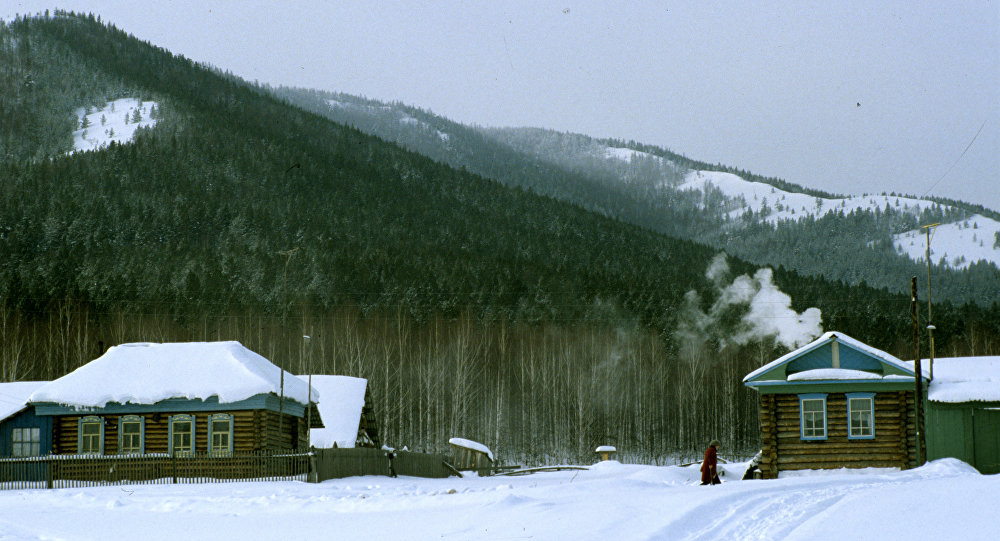
Deep in the northern Ural Mountains, a place the indigenous Mansi people call “The Dead Mountain,” something hunted these hikers. Or maybe it was something inside their own minds? The name Dyatlov Pass refers to the group’s leader, Igor Dyatlov. He was young, brilliant, and tough as nails. He led his friends into the white void. None of them came back.
Watch this summary to get your bearings, because where we are going, the map doesn’t make sense anymore.
The Mystery Of Dyatlov Pass: What Stalked Them?
Let’s set the stage. It was 1959. The Soviet Union. A time of secrets, spies, and silence. Nine hikers, mostly students from the Ural Polytechnical Institute, set off on a skiing expedition. This wasn’t a casual weekend trip. These were Grade II hikers aiming for Grade III certification—the highest difficulty available at the time. They knew how to handle the cold. They knew how to survive.
But on the slopes of Kholat Syakhl, or ‘The Dead Mountain’, their expertise meant nothing. They perished. All of them.
For decades, a cover-up ensued. Files were sealed. Witnesses were told to keep their mouths shut. What really happened to the unfortunate group? Was it a weather anomaly? A military test gone wrong? Possibly something sinister or even supernatural?
The Discovery That Froze Investigators’ Blood
When the group failed to send a scheduled telegram, a search party was launched. What they found was a tableau of madness. The tent was half-collapsed, buried in snow. But here is the kicker: The tent had been ripped open from within.
Think about that. You are in sub-zero temperatures. The wind is howling like a banshee. The only thing keeping you alive is that canvas. And yet, something terrified these nine people so badly that they didn’t unzip the door. They grabbed knives and slashed their way out through the side of the tent. They ran into the dark. Into the storm.
Most of them were not wearing shoes. Some were in their socks. Some were barefoot. In -30°C (-22°F) weather. Why? What could possibly scare you more than freezing to death?

The Bodies in the Snow: A scene from Hell
The searchers followed footprints down the slope toward a cedar tree. The footprints were strange. Some showed bare feet. Some showed a single boot. There was no sign of a struggle. No bear tracks. No human attackers. Just the frantic, chaotic prints of nine doomed souls.
At the cedar tree, they found the first two bodies: Doroshenko and Krivonischenko. They were stripped to their underwear. Their hands were burned. There were remains of a small fire nearby. The branches on the cedar tree were broken up to five meters high. Had they climbed the tree in a desperate attempt to escape something on the ground? Or were they trying to see the camp they had fled?
Between the cedar and the tent, three more bodies were found: Dyatlov, Kolmogorova, and Slobodin. They were found in poses suggesting they were trying to crawl back to the tent. They died looking for shelter, but the cold took them one by one.
The Ravine: Where the Horror Truly Began
It took two months to find the remaining four hikers. They were buried deep in a ravine, under four meters of snow. And this is where the story shifts from “tragic accident” to “absolute nightmare.”
Nikolai Thibeaux-Brignolles had major skull damage. It wasn’t a crack; his skull was crushed. Both Lyudmila Dubinina and Semyon Zolotarev had major chest fractures. Ribs were pulverized. According to Dr. Boris Vozrozhdenny, the forensic pathologist, the force required to cause such damage would have been extremely high. He compared it to the force of a car crash.
Here is the impossible part: The bodies had no external wounds related to the bone fractures.
Imagine being hit by a truck, but your skin doesn’t break. It was as if they had been subjected to a high level of pressure. A hydraulic press made of air? A shockwave?
The Missing Tongue and The Eyes
If the crushed chests don’t disturb you, this will. Major external injuries were found on Dubinina. She was missing her tongue. She was missing her eyes. Part of her lips were gone, as well as facial tissue and a fragment of skullbone. She also had extensive skin maceration on the hands, colloquially known as washerwoman’s hands.
Skeptics have a sanitized explanation. It was claimed that Dubinina was found lying face down in a small stream that ran under the snow. The explanation suggests her external injuries were in line with putrefaction in a wet environment. Scavengers? Maybe. Micro-organisms? Sure. It is argued these injuries were unlikely to be related to her death.
But try telling that to the people who saw the bodies. The image of a woman with no eyes and no tongue fuels the darkest theories. Was it a ritual? Was it a weapon that melted soft tissue?
The Indigenous Suspects: A Dead End
Human nature wants a villain. A bad guy we can arrest. There was initial speculation that the indigenous Mansi people might have attacked and murdered the group for encroaching upon their lands. The Mansi are tough people who know the mountains better than anyone. It seemed like an easy answer.
But the police investigation indicated that the nature of their deaths did not support this hypothesis. The evidence cleared the Mansi almost immediately. Why? Because the hikers’ footprints alone were visible. There were no other tracks. No horses. No dogs. No skis belonging to attackers.
Furthermore, they showed no sign of hand-to-hand struggle. No bruises from fists. No knife wounds (other than the self-inflicted cuts on the tent). The Mansi were peaceful and actually helped in the search efforts. This wasn’t a murder. It was something else.
The Bizarre Condition of the Hikers
Let’s look at the clothing. Although the temperature was very low, around −25 to −30 °C (−13 to −22 °F) with a storm blowing, the dead were only partially dressed. Some of them had only one shoe, while others had no shoes or wore only socks. Why strip off your clothes in freezing weather?
There is a phenomenon called “paradoxical undressing.” In the final stages of hypothermia, your brain misfires. You feel incredibly hot. You start tearing your clothes off as you freeze to death. It fits the profile for some of the victims.
But not all. Some were found wrapped in snips of ripped clothes that seemed to have been cut from those who were already dead. The survivors in the ravine had taken clothes from the bodies at the cedar tree. They were fighting to survive, scavenging from their fallen friends. It paints a picture of a long, drawn-out struggle against the elements—or against a force they couldn’t understand.
The Official Files: Secrets and Lies
Journalists reporting on the available parts of the inquest files claim that the Soviet government knew more than they let on. The files state:
- Six of the group members died of hypothermia and three of fatal injuries.
- There were no indications of other people nearby on Kholat Syakhl apart from the nine travelers.
- The tent had been ripped open from within. (This is the smoking gun of panic).
- The victims had died 6 to 8 hours after their last meal.
- Traces from the camp showed that all group members left the campsite of their own accord, on foot. They weren’t dragged. They ran.
- To dispel the theory of an attack by the indigenous Mansi people, Dr. Boris Vozrozhdenny stated that the fatal injuries of the three bodies could not have been caused by another human being, “because the force of the blows had been too strong and no soft tissue had been damaged”.
- Forensic radiation tests had shown high doses of radioactive contamination on the clothes of a few victims.
- Released documents contained no information about the condition of the skiers’ internal organs.
- There were no survivors of the incident.
Wait, Did You Say Radiation?
Yes. Radiation. This is the detail that sends conspiracy theorists into a frenzy. Why would hiking clothes in the middle of nowhere be radioactive? Some of the hikers worked in facilities involving nuclear materials, so maybe it was trace contamination from work? Maybe.
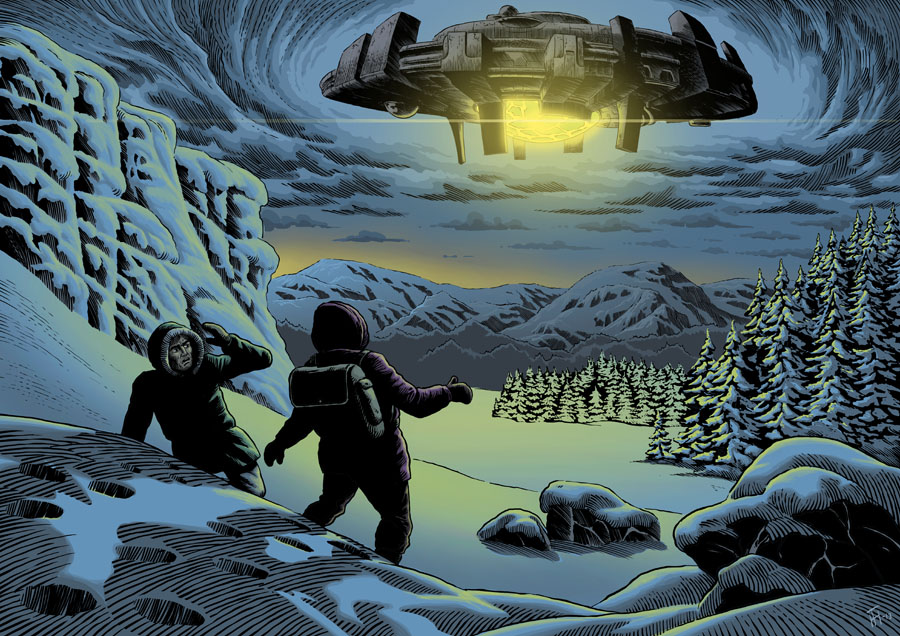
But combine that with reports from another hiking group in the area. They claimed to see glowing orange spheres in the night sky near Kholat Syakhl. The lead investigator, Lev Ivanov, reportedly wanted to look into these spheres but was ordered by high-ranking officials to close the case. He later admitted he believed UFOs or some military tech was responsible.
The Verdict: “A Compelling Natural Force”
At the time the verdict was that the group members all died because of a “compelling natural force.” What does that even mean? It sounds like legal gibberish designed to stop people from asking questions.
The inquest officially ceased in May 1959 as a result of the absence of a guilty party. The files were sent to a secret archive. The photocopies of the case became available only in the 1990s, after the collapse of the Soviet Union, although some parts were missing. Entire pages were gone. What was on those pages?

Deep Dive: The Top Theories Explained
Since the files opened, amateur sleuths and experts have proposed dozens of theories. Let’s break down the most popular ones.
1. The Slab Avalanche
For years, people said an avalanche was impossible because the slope wasn’t steep enough. However, in 2021, Swiss researchers released a study suggesting a “slab avalanche” could have occurred. A small, heavy block of snow breaks loose, crushing the tent and smashing the hikers’ chests while they slept. This explains the internal injuries and the cut tent. It is scientific. It is logical. But does it explain the radiation? The missing tongue? The weird behavior afterwards?
2. The Infrasound Theory
Here is a mind-bending idea. The wind interacting with the specific shape of the mountains creates a “Karman vortex street.” This generates infrasound—a low-frequency sound you can’t hear, but you can feel. It causes nausea, dread, and irrational panic. Did the mountain itself drive them insane with fear, causing them to flee the tent into the deadly cold?
3. Soviet Military Testing
Parachute mines. Rocket tests. The area was a no-go zone for a reason. If a concussion bomb went off above the ravine, it would explain the crushing injuries without external marks. It explains the “orange spheres” (rocket exhaust) seen by others. It explains the radiation. And it definitely explains the government secrecy. Were they collateral damage in a Cold War experiment?
4. The Yeti / The Menk
We have to go there. One of the last photos on the hikers’ camera shows a blurry, dark figure near the trees. Is it a person? A tree stump? Or is it the “Menk,” the Siberian Yeti? The image is terrifyingly ambiguous. If a massive creature attacked them, it would explain the chest trauma. A squeeze from a giant primate could crush ribs effortlessly.
Modern Findings and The Unending Quest
In recent years, Russia reopened the investigation. They concluded it was an avalanche. Case closed. But the families of the victims don’t buy it. The independent researchers don’t buy it. The pieces of the puzzle just don’t fit perfectly.
Why leave the tree line? Why the radiation? Why did Zolotarev have a second camera that vanished? The Dyatlov Pass incident remains a beacon of the unexplained in a world that tries to explain everything.
Maybe we aren’t meant to know. Maybe “The Dead Mountain” keeps its secrets. But one thing is certain: Nine young people went up that hill, and they met something that shouldn’t have been there. Whether it was the raw power of nature or the dark machinery of man, the result was the same. Silence.
What do you think happened? Was it the wind? The military? Or something else entirely?
Originally posted 2015-08-04 17:01:22. Republished by Blog Post Promoter