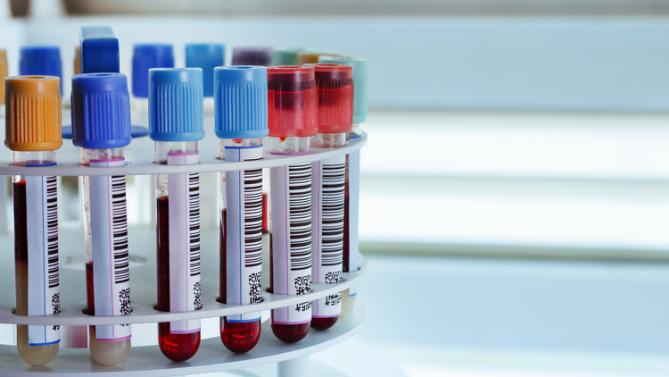
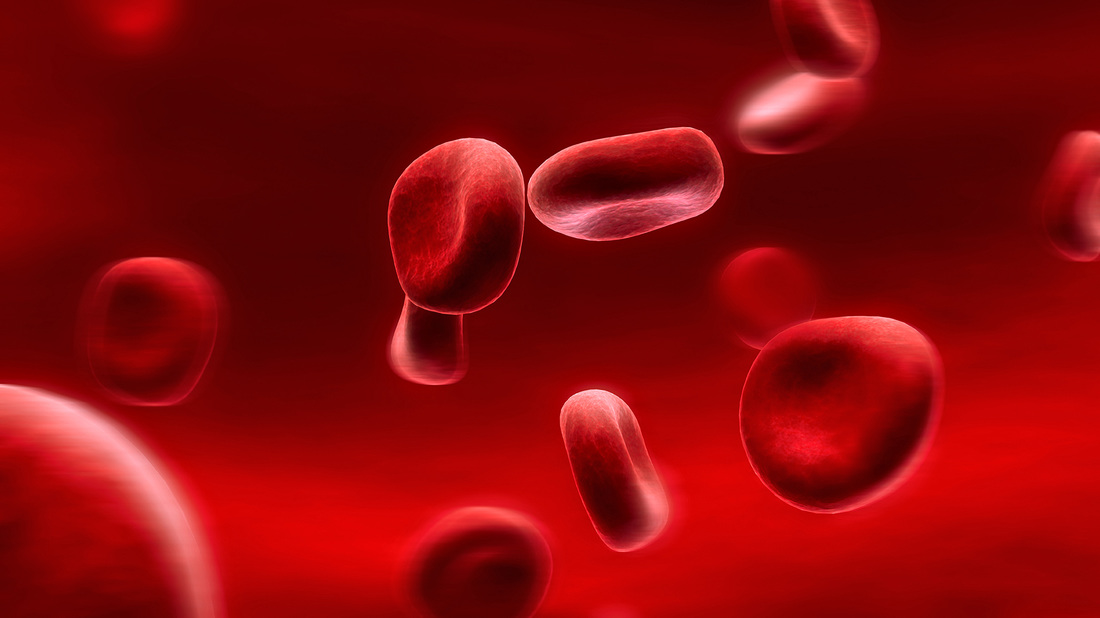
Blood. It’s the red river of life. It’s the currency of our existence.
We bleed, we weaken. We lose enough of it, and the lights go out. Forever. For thousands of years, humanity has been obsessed with it. Cults have worshipped it. Ancient healers drained it. Modern medicine hoards it.
But what if we could stop hunting for donors? What if we could stop begging people to roll up their sleeves for a cookie and a sticker? What if we could just… print it?
Imagine a factory. No windows. Just rows and rows of bioreactors. Pulsing. Hum. Hum. Hum. Inside? Not chemicals. Not plastic. Life. Synthetic, lab-grown, O-negative life.
This isn’t science fiction. This isn’t a scene from Blade Runner. This is happening. Right now.

The Red Gold Rush: Manufacturing Immortality?
Let’s get straight to the meat of it. The news dropped a few years back, but the ripples are only now turning into a tsunami. We are talking about synthetic blood manufactured directly from human stem cells.
The promise? Clinical trials. Patient testing. Real human veins pumping artificial red blood cells.
The goal isn’t just to make “blood.” Anyone can mix red dye and water. The goal is to mass-produce the Holy Grail of hematology: O-negative. The universal donor. The liquid gold that can save almost anyone, anywhere, anytime. Up to 98 percent of the population can take this stuff without their immune system freaking out and launching a self-destruct sequence.
This is a logistics dream. But it’s also a biological miracle. Or a nightmare, depending on how paranoid you are.
Why Do We Need “Fake” Blood?
Supply and demand. It’s that simple. And that terrifying.
In a disaster zone—think earthquakes, tsunamis, or the irradiated wasteland of a nuclear accident—fresh blood is harder to find than a clean politician. It spoils. It needs refrigeration. It has a shelf life. You can’t just stockpile it in a warehouse for ten years waiting for World War III.
But synthetic blood? The experts reckon this technology will completely overhaul emergency medicine. Ambulances won’t just carry saline; they’ll carry life. War zones? Forget about waiting for a medevac chopper. The medic in the trench could have a supply of universal blood ready to go.
It sounds perfect. Too perfect.
The Mad Science: How Do You “Grow” Blood?
This is where things get weird. We aren’t talking about mixing chemicals in a beaker. We are talking about biological reprogramming.
Teams from the Universities of Edinburgh and Essex—some of the brightest minds on the planet—have been cracking this code. They started with adult bone marrow. Old school. But that wasn’t efficient enough. They needed something faster. Something scalable.
The next phase? Producing red blood cells from stem cells. But not just any stem cells.
They have two options, and both are loaded with ethical landmines and sci-fi potential:
- Embryonic Stem Cells: Taken from embryos. Controversial? You bet.
- Induced Pluripotent Stem Cells (iPS): This is the game-changer. Take an adult skin cell. Yes, skin. Zap it with specific proteins. Rewind its biological clock. Turn it back into a “blank slate” cell that can become anything.
Think about that. They can take a scrape from your arm and turn it into blood. They are turning the body’s casing into its fuel. It’s alchemy. It’s magic. It’s science.
Marc Turner, the Professor of Cellular Therapy at the University of Edinburgh, is the man leading the charge. He’s the one holding the keys to the kingdom.
He played it cool when the news first broke. He explained: “It will probably be two or three years before we get to clinical trials and I would think it will be a decade or so before one sees these kinds of artificial red cells or cultured red cells in routine general practice.”
A decade. That puts us right in the striking zone now. Are they telling us everything? Or is the “routine” use already happening in black-budget military hospitals? We can only guess.
The “Unlimited” Supply: A Virus-Free Utopia?
Here is the major selling point. The hook. The reason governments are throwing money at this.
Infinite replication.
Artificial blood cells grown in a lab don’t age like normal cells until they are finished. They can multiply indefinitely. We are looking at a limitless faucet of blood. Turn it on, fill the tanks, turn it off. Created fresh on demand.
And it’s clean. Squeaky clean.
Remember the horror stories of the 80s and 90s? The tainted blood scandals? Hemophiliacs given HIV-infected transfusions? Hepatitis C rampaging through donor supplies? It was a massacre caused by negligence and the inherent risk of taking fluids from one human and putting them into another.
Lab-grown blood has no history. It has no dirty secrets. It has no HIV. No Hepatitis. No vCJD (Mad Cow Disease). It is pure. Sterile. Safe.
But is “safe” always better? Nature has a way of fighting back when we try to bypass its rules.
The Uncanny Valley of Biology
It sounds like the perfect solution. A clean slate for humanity. But hold your horses.
The early data showed a crack in the armor. While the artificial stuff is amazing, good old-fashioned donor blood still performed better in animal trials. Real blood—the stuff born from bone marrow inside a living, breathing creature—seemed to carry a lower risk of cardiovascular problems after transfusion.
Why? Maybe there’s a “ghost in the machine.” Maybe there are trace elements, enzymes, or biological markers in natural blood that we haven’t identified yet. Things we can’t replicate in a petri dish.
Professor Chris Cooper from the University of Essex admitted the reality of the situation. He explained that it’s not realistic to think we will replace all transfusions with this synthetic brew. It’s too expensive, too complex. For now.
Instead, they are targeting the niche markets. The desperate situations. The places where “good enough” saves a life, and “perfect” isn’t an option.
Deep Dive: The Super-Soldier Agenda?
Let’s put on our conspiracy caps for a second. Who benefits the most from unlimited blood that doesn’t spoil?
The military.
Logistics win wars. If you can carry dehydrated or shelf-stable synthetic blood into the field, you change the calculus of combat. You don’t need refrigeration trucks. You don’t need a line of donors. You just need a pack.
It is highly likely that this new blood will see its first major deployment on battlefields. Places where storing large quantities of organic material is a nightmare. But is there more to it?
Modern internet theories have been buzzing about “performance-enhanced” blood. If you are building red blood cells from scratch, why stop at “normal”? Why not tweak them?
Imagine a red blood cell engineered to carry 50% more oxygen. Or 100% more. What happens to the soldier who gets that transfusion? They run faster. They don’t get tired. They can hold their breath for minutes. They fight harder.
Are we looking at the dawn of biological augmentation disguised as emergency medicine? The leap from “saving lives” to “upgrading soldiers” is a short hop for a scientist with a DARPA grant.
The Economic Angle: Who Owns Your Veins?
There is another group of patients desperate for this tech. People with thalassemia or sickle cell anemia. These folks need regular transfusions just to survive. But regular transfusions of donor blood come with heavy costs—not just money, but iron loading and antibody rejection.
Synthetic blood offers a clean alternative. But at what price?
Currently, blood is (mostly) a donation-based system. You give it for free; the hospital charges for the processing. But if blood becomes a patented product, manufactured by a corporation… who owns it?
Will we see a future where life-saving fluid is priced like insulin? Will the “Apple of Blood” release a new version every year? “iBlood 15 – now with 10% more oxygen transport.” It sounds absurd, but corporate greed knows no bottom.
The Alternative: The Zombie Cell
The University of Essex isn’t putting all its eggs in one basket. They are working on something else. Something stranger.
They are developing an alternative to the stem-cell method. They propose packing manufactured hemoglobin—the protein that actually carries the oxygen—into synthetic, cell-like structures.
Think of it as a robotic mule. It’s not a cell. It’s a container. A microscopic bag of oxygen-carrying protein.
These man-made “zombie cells” wouldn’t have the complex surface markers of real cells. That means no blood types. No A, B, or O. Just a universal oxygen transport system that could be used in anyone.
Regardless of blood type. Regardless of genetics.
The timeline? They claim this technology could be perfected within five to ten years. It could run alongside the stem-cell derived blood. A two-pronged attack on death.
The Future is Red
So, where does this leave us? We are standing on the precipice of a new era. An era where we don’t rely on the kindness of strangers to survive a car crash. An era where supply shortages are a thing of the past.
But we are also stepping into a world where biological fluids are manufactured products. We are moving further away from our natural state and integrating more deeply with our own technology.
Is it safe? The trials will tell. Is it natural? Absolutely not. Will it save lives? Millions, probably.
But keep your eyes open. Watch who gets the contracts. Watch who controls the supply. Because in this world, he who controls the blood, controls the life.
Originally posted 2015-11-23 10:19:20. Updated and Expanded for Modern Context.