Home Weird World Strange Places Strange Places – The Ghost Tower

Strange Places – The Ghost Tower

0
70

Imagine standing in the humid, electric air of Bangkok. The city screams life. Tuk-tuks buzz like angry hornets. Street food vendors clang their woks. Neon signs fight for dominance in the night sky. It is a city that never sleeps, a city constantly racing toward the future.

But look up. Look past the glittering luxury malls and the sleek, glass-skinned hotels. There, looming over the Chao Phraya River, is a skeleton.

20131230-202143.webp

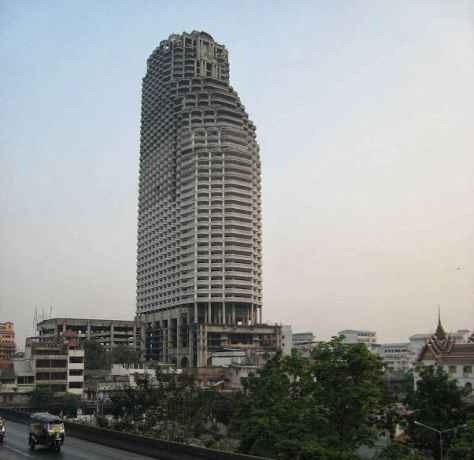
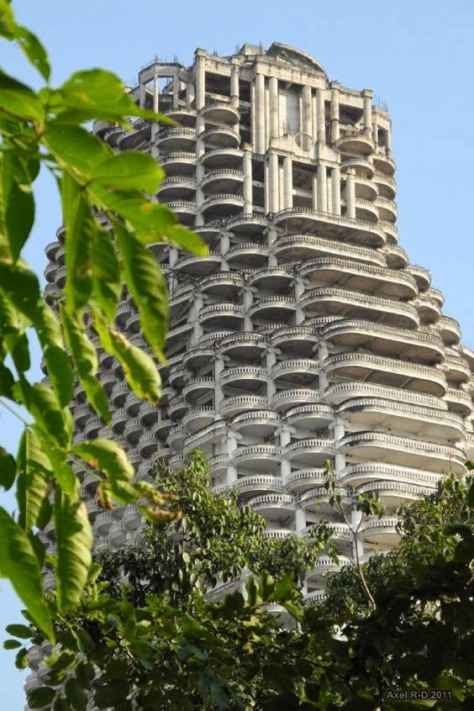
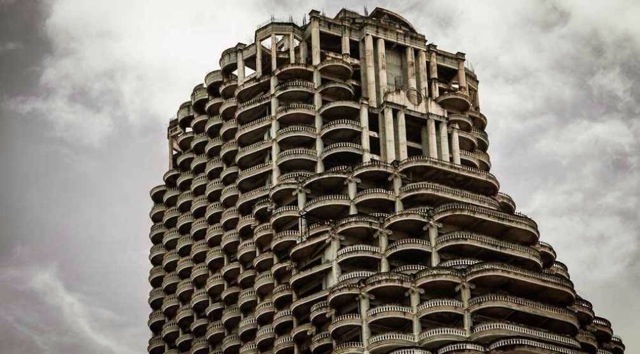
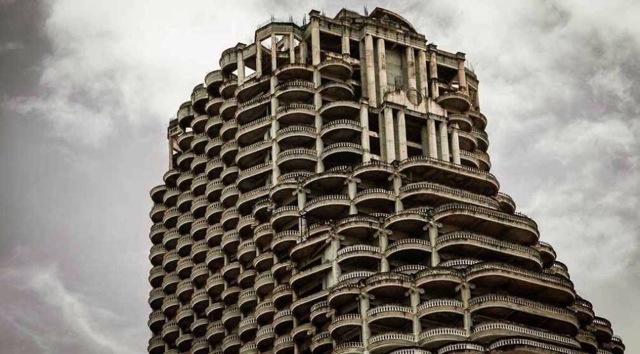
It’s massive. Forty-nine stories of rotting concrete. No windows. No lights. Just a dark, gaping maw of emptiness staring back at the vibrant city below. They call it the Sathorn Unique Tower. But the locals? They have a different name for it.

The Ghost Tower.

This isn’t just an abandoned building. It is a tombstone. A massive, concrete middle finger to the hubris of the 1990s. And if you believe the whispers on the street—or the darker corners of the internet—it is cursed. Legitimately, terrifyingly cursed. Why is it still standing? Why hasn’t it been torn down? The answer is a twisted mix of financial horror, political conspiracy, and perhaps something… else.

The Golden Dream: When Thailand Was Unstoppable

You have to understand the vibe of the early 90s to get why this tragedy hits so hard. Back then? Thailand was the tiger of Asia. The economy was on steroids. It was a gold rush. If you had a patch of dirt in Bangkok, someone wanted to build a skyscraper on it.

Money was cheap. Optimism was high. It felt like the party would never end.

Developers went wild. They weren’t just building offices; they were building monuments to their own wealth. The plan for the Sathorn Unique was pure luxury. We are talking about the kind of opulence that makes your jaw drop. Roman-style arches. Balconies overlooking the river. Gold leaf. Marble. It was supposed to be the address for Thailand’s elite.

The architect, Rangsan Torsuwan, was a visionary. He designed a sister building, the State Tower, which actually got finished (you might know it from the movie The Hangover Part II). The Sathorn Unique was supposed to be its twin. Identical in grandeur. But fate—or something darker—had other plans.

The 1997 Nightmare: The Day the Music Died

Then came the crash. The “Tom Yam Kung” crisis.

July 1997. The bubble didn’t just burst; it nuked the entire region. The Thai government was forced to float the baht. Overnight, the currency collapsed. Fortunes evaporated in seconds. It was carnage.

Imagine waking up and finding out your debt has doubled while your assets are worth zero. That is what happened to the developers. Construction sites across Bangkok went silent. Cranes stopped moving. Workers dropped their tools and walked away.

More than 500 major construction projects were frozen. It was a graveyard of steel and concrete.

20131230-202217.webp

Over the next decade, most of those buildings found a way back. Investors came in. The economy recovered. The skeletons were finished and clad in glass, hiding their shameful pasts. But not Sathorn Unique. This one was different. This one was left behind.

Why? Why did its twin, the State Tower, survive while Sathorn Unique rotted?

This is where the story shifts from economics to high-octane mystery.

The Architect and the Assassination Plot

You want conspiracy? Here it is.

In 1993, while the tower was rising, the architect and owner, Rangsan Torsuwan, was arrested. The charge? Allegedly plotting to murder the President of the Supreme Court. Yes, you read that right.

The case dragged on for fifteen years. Fifteen years of legal purgatory. While Rangsan was fighting for his life in court, the banks got nervous. Funding dried up even before the ’97 crash hit. By the time the economy tanked, the Sathorn Unique was already limping.

Rangsan was convicted in 2008, but later acquitted in 2010. But the damage was done. The building was tainted. It was stuck in a legal deadlock of debt, ownership disputes, and fear. No investor wanted to touch it. It became a pariah.

The Curse of the Temple Shadow

But if you ask the grandmother selling noodles down the street, she won’t talk about bank loans or court cases. She will tell you about the shadow.

According to local legend, the Sathorn Unique Tower committed a grave spiritual sin. It was built on a site that overshadows the Wat Yan Nawa—a historic and sacred temple shaped like a boat. In Thai culture, you do not disrespect the spirits. You do not loom over the holy.

The belief is that the tower’s shadow fell upon the temple, disturbing the peace of the grounds. The monks, the spirits, the energy—it all turned against the concrete giant. The locals say the project was doomed from the moment the first pile was driven into the mud.

Is it true? Who knows. But looking at the rotting Hulk today, it is hard to argue that the universe didn’t have a vendetta against this place.

Inside the Belly of the Beast

So, what does it look like inside? For years, the Sathorn Unique was the Holy Grail for urban explorers (Urbex) and adrenaline junkies. Before they welded the gates shut and put up strict security, people would sneak in to climb the 49 floors.

It is not a walk in the park. It is a death trap.

There are no railings. Elevator shafts are open pits dropping hundreds of feet into darkness. The stairs are crumbling. Debris is everywhere. And the dogs. Packs of wild, aggressive stray dogs claimed the lower levels, guarding the entrance like Cerberus at the gates of Hades.

But those who made it to the top? They brought back stories. They describe a silence so heavy it presses on your eardrums. The wind whistles through the empty window frames, sounding like weeping. You find bathtubs filled with stagnant, black water. Toilets never used. Electrical wires hanging like jungle vines.

20131230-202257.webp

The commercial brochure above? That is the tragedy right there. Look at it. It promises a paradise. “The best place to overlook the grand cityscape.” 659 residential units. 54 retail shops. It was supposed to be a vertical city of joy.

Now? It looks like the aftermath of a neutron bomb. The brochure is a lie that time exposed. The juxtaposition between that glossy, happy marketing image and the grey, mold-streaked reality is enough to give you chills. It is a reminder that nothing is promised. The line between luxury and ruin is paper-thin.

The Body in the Bathroom: A Real Horror Story

You might think the “Ghost Tower” name is just a metaphor. Just a spooky nickname for a dead building. You would be wrong.

December 2014. A photographer sneaks into the building to catch the sunrise. He climbs the stairs, soaking in the eerie atmosphere. He reaches the 43rd floor. He wanders into a bathroom.

He finds a body.

A Swedish backpacker had been hanging there for weeks. In the humidity of Bangkok. You can imagine the scene. The photographer, terrified, ran back down and called the police.

This wasn’t a legend. This wasn’t a “friend of a friend” story. This was real. The discovery turned the Sathorn Unique from a quirky landmark into a certified house of horrors. The image of the tower shifted instantly. It wasn’t just an failed investment anymore; it was a place where people went to die.

After that, the owner, Pansit Torsuwan (Rangsan’s son), had to get serious. He locked it down. He filed charges against trespassers. He tried to stop the flood of curious tourists. But you know how the internet works. The “forbidden” nature of the place only made people want to see it more.

Why Is It Still There?

This is the question that baffles everyone. Bangkok land prices are skyrocketing. This is prime real estate! It sits right by the Saphan Taksin BTS station. It has a river view. It is worth millions upon millions of dollars just for the land.

So why not knock it down?

It’s complicated. Brutally complicated.

1. The Demolition Cost: Tearing down a 49-story skyscraper in the middle of a crowded city isn’t like knocking over a Lego tower. You can’t just blow it up. You have to dismantle it piece by piece. It would cost a fortune.

2. The Structural Integrity: Some engineers say the structure is sound. Others say the concrete has been exposed to the elements for too long and is “cancerous.” If it’s sound, maybe it can be saved? But refitting a 90s shell with modern tech might cost more than building new.

3. The Debt: The building is tied up in a knot of creditors. Who actually owns it? Who gets the money if it’s sold? It is a legal Gordian knot that no one has been able to cut.

A Monument to Greed

Today, the Sathorn Unique stands as a colossal warning. It watches over Bangkok like a silent sentinel.

At night, there are no lights in its windows. It is a black void in the glittering skyline. Sometimes, during heavy storms, lightning flashes behind it, illuminating the ribs of the skeleton. It looks like something out of a post-apocalyptic movie, a scene from The Last of Us brought to life in Southeast Asia.

Tourists still gather at the fence to take selfies. Locals still cross the street to avoid walking in its shadow. And inside? The dust settles. The rats scurry. The wind howls through the empty elevator shafts.

It is the most fascinating building in Bangkok precisely because it shouldn’t exist. In a city obsessed with the new, the shiny, and the profitable, the Ghost Tower is a stubborn, rotting refusal to be forgotten.

Will it ever come down? Maybe. But until then, it remains. A concrete scar on the face of the city. A creepy, towering reminder of a dream that turned into a nightmare.

So, the next time you are in Bangkok, look up. You can’t miss it. Just don’t try to go inside. Some doors are better left unopened.

Originally posted 2013-12-30 19:24:53. Republished by Blog Post Promoter

Originally posted 2013-12-30 19:24:53. Republished by Blog Post Promoter