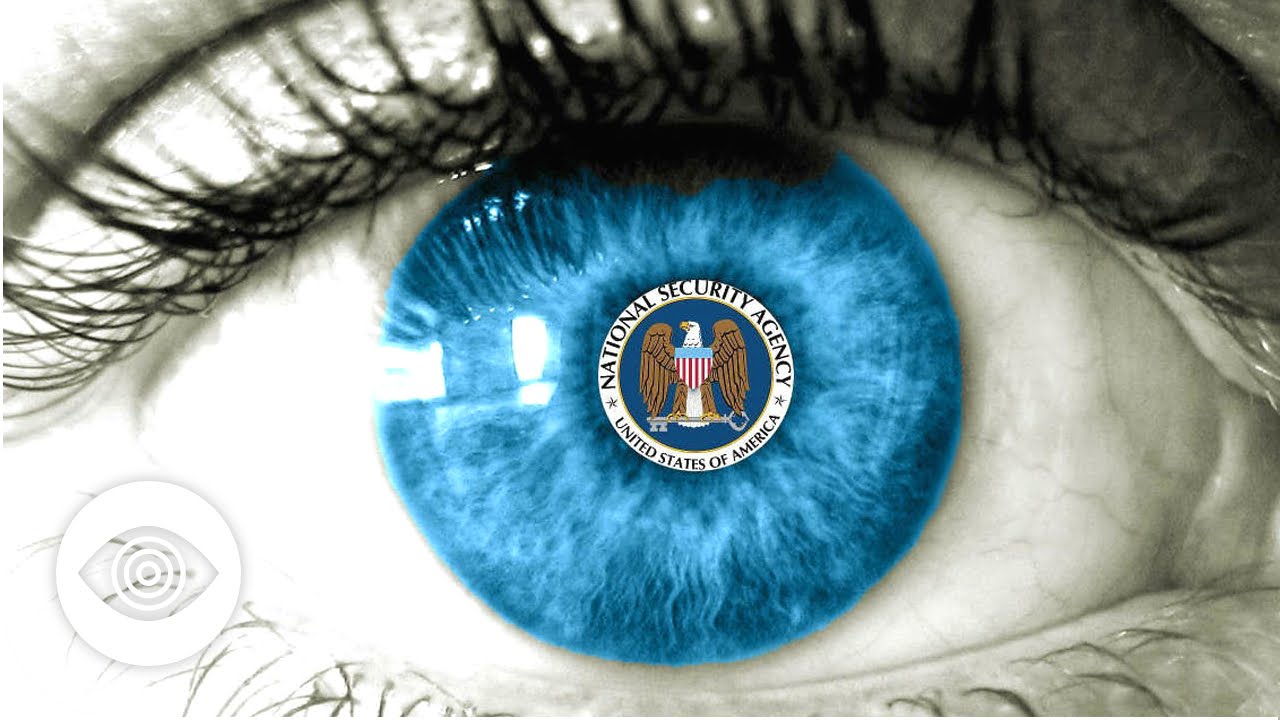
The Man Who Pulled Back the Curtain
It started quietly. Not with a bang, but with a series of encrypted emails. June 2013. In a generic, soul-crushingly bland hotel room in Hong Kong, a young man sat with a handful of journalists, his life packed into a few hard drives. He was pale. Nervous. But resolute. He was about to set the world on fire.
That man was Edward Snowden.
And he blew the whistle on arguably the biggest, most invasive government secret in modern history. He didn’t just leak a document. He turned on a floodlight, pointing it directly at a terrifying, shadowy machine of global surveillance that was watching all of us. You. Me. Everyone.
Forget what you think you know. Forget the spy movies and the dramatic chase scenes. The truth is far stranger, far more chilling, and it affects every single person who has ever touched a keyboard or a smartphone. What Snowden revealed wasn’t just a government program. It was a fundamental shift in the very concept of privacy. A shift that happened right under our noses while we were busy updating our status and liking photos.
This is the story of how one man, an unassuming intelligence contractor, exposed the all-seeing eye. And how, years later, the echoes of his revelations are louder than ever.
Who Was Edward Snowden? The Ghost in the Machine
To understand the bombshell, you have to understand the man who dropped it. Edward Snowden wasn’t some radical outsider. He wasn’t a life-long activist. He was the ultimate insider. The guy they trusted with the keys to the kingdom.
Born in 1983, Snowden was a product of the digital age. A self-taught computer whiz who never finished high school, he found his calling in the labyrinthine world of government intelligence. He was patriotic. Deeply. In 2004, he enlisted in the Army Special Forces, wanting to fight in Iraq. He washed out after breaking both of his legs in a training accident. But his desire to serve his country remained.
His path led him to the CIA. Then to the NSA. He wasn’t a field agent kicking down doors. He was a systems administrator. A digital janitor. He was the guy who made sure the unimaginably complex servers and networks that power the American intelligence empire were running smoothly. He worked for contractors like Dell and Booz Allen Hamilton, stationed in places like Geneva, Tokyo, and finally, a quiet NSA facility in Hawaii.
A Crisis of Conscience in Paradise
Picture it. You’re living in Hawaii. Making six figures. You have a great life. And your job is to sit in a dark, air-conditioned room and watch the world’s information fly by. Every day, you see it. The sheer volume of data being sucked up by the agency you work for. Emails. Phone calls. Chat logs. Search histories. From everyone. Not just suspected terrorists. Your neighbors. Your family overseas. The whole planet.
Snowden described a slow-burning horror. He saw programs that he believed directly violated the U.S. Constitution. He saw a system of secret interpretations of the law, rubber-stamped by a secret court, that gave the government power he believed no government should ever have. He tried to raise concerns through internal channels. He was ignored. The machine was too big. Too powerful.
So he made a choice. A choice that would cost him his home, his career, and his freedom. He began methodically copying the most explosive documents he had access to. He smuggled them out on a tiny data card. And he fled. First to Hong Kong, and then into history.
PRISM: The Master Key to Your Digital Life
Of all the code names and acronyms Snowden unleashed on the world, one stood out. One sent a shockwave through Silicon Valley and into every home with an internet connection. PRISM.
What is it? It sounds like something from a sci-fi movie. The reality is bone-chillingly simple.
Project PRISM was a top-secret NSA program that allowed the agency to collect user data directly from the servers of the biggest tech companies on Earth. Let that sink in. Not hacking them. Not sending them a warrant for one specific person’s data. This was direct, ongoing, front-door access.
The leaked documents listed the partners. The names were a who’s who of our daily lives:
- Microsoft (Hotmail, Outlook)
- Google (Gmail, YouTube, Search)
- Yahoo!
- Apple
- Skype
- AOL
- Paltalk
Essentially, every major pillar of the modern internet was a firehose of information pointed directly at the NSA’s data centers. The government claimed this was only used to target foreign nationals outside of the United States. But the documents Snowden provided showed something different. The system was vast. The potential for abuse, enormous. The data of countless innocent Americans was being “incidentally” collected in this massive digital dragnet.
The Secret Court and the Legal Loophole
How was this even legal? The government’s defense rested on Section 702 of the Foreign Intelligence Surveillance Act (FISA) and a secret court that approved the surveillance. The FISA court operates almost entirely in the dark. Its rulings are classified. The government presents its case, and there’s no opposing counsel to argue for privacy. It’s a one-sided affair.
For years, this court had been interpreting the law in ways that gave the NSA almost unlimited authority to scoop up communications. They created a legal framework, in secret, that turned the internet into an open book for intelligence agencies. The tech companies involved denied they gave the government a “back door,” instead claiming they only complied with specific, lawful requests. But the Snowden files painted a picture of a much cozier, more streamlined relationship. A system built for bulk collection.
XKeyscore: The Search Engine for Everything
If PRISM was the master key, XKeyscore was the search engine. And it might be the single most terrifying thing Snowden revealed.
Imagine a Google search bar. But instead of searching the public internet, it searches the private lives of nearly everyone online. That’s XKeyscore. In his interview with The Guardian, Snowden made a claim that sent reporters scrambling.
“I, sitting at my desk,” he said, “could wipe anyone, from you or your accountant, to a federal judge or even the President, if I had a personal email.”
Was this an exaggeration? The training documents he leaked suggested it wasn’t far from the truth. XKeyscore was a powerful analytical tool that allowed an analyst to search through massive databases of internet traffic, collected in real-time. With just an email address, an IP address, or even just a name, an NSA analyst could pull up a person’s entire recent online life.
Every website visited. Every email sent and received (even drafts!). Every private chat on Facebook. Every search term typed into Google. All of it, stored and searchable. The system didn’t need a warrant for a specific person. It worked by sucking up *everything* first and letting analysts sort through it later. It was the ultimate expression of “collect it all.”
What if You Had Nothing to Hide?
The common refrain was, “I have nothing to hide, so I don’t care.” But XKeyscore showed why that was a dangerously naive view. This wasn’t about finding criminals. It was about creating a permanent record of everyone’s digital life. A record that could be misinterpreted. A record that could be used against you years later. A record that could reveal your most intimate thoughts, your health concerns, your political beliefs, your friendships. Everything.
It changed the very nature of human expression. For the first time in history, our fleeting thoughts, our dumb jokes, our private conversations were no longer ephemeral. They were being stored, indexed, and made searchable by a power we couldn’t see and couldn’t hold accountable. That is the true horror of XKeyscore.
A World in Uproar, A Man in Exile
The fallout was immediate and global. Leaders of allied nations were furious. The revelation that the NSA had been monitoring the personal cell phone of German Chancellor Angela Merkel caused a massive diplomatic crisis. Brazilians were outraged to learn their president was also a target. The trust that underpinned international alliances was shattered.
Back home, the debate was ferocious. Was Snowden a hero or a traitor? The intelligence community claimed he had done catastrophic damage to national security, alerting terrorists to their methods. They painted him as a narcissistic traitor who endangered American lives. They charged him under the Espionage Act, a draconian World War I-era law that makes no distinction between selling secrets to an enemy and giving them to the press for the public good.
Meanwhile, civil liberties groups and a huge portion of the public hailed him as a hero. A whistleblower who risked his life to inform the people about what their government was doing in their name, but without their consent. He sparked a global conversation about the price of security and the meaning of privacy in the 21st century.
Trapped in the transit zone of a Moscow airport after the US revoked his passport, Snowden eventually received asylum in Russia, where he remains to this day. A stateless man, exiled from the country he claimed he was trying to save.
The Snowden Legacy: What’s Changed… And What Hasn’t?
So, years later, what’s the verdict? Did he change anything?
The answer is a complicated yes. And a terrifying no.
On the “yes” side, there was a visible shift. Tech companies, embarrassed by the revelations, began implementing stronger end-to-end encryption. Apps like Signal and Telegram saw explosive growth. The public was suddenly, painfully aware of digital surveillance. In 2015, the US Congress passed the USA FREEDOM Act, which was meant to end the NSA’s bulk collection of American phone records. It was a reform, yes, but many critics called it window dressing.
The Five Eyes: It Was Never Just America
One of the most critical parts of the Snowden story that often gets overlooked is the “Five Eyes.” This is a signals intelligence alliance between the United States, the United Kingdom, Canada, Australia, and New Zealand. Snowden’s files proved that these countries weren’t just allies; they were partners in a global surveillance system. They shared infrastructure and data, effectively creating a network that could spy on the entire world, often using loopholes to spy on their own citizens by having another member country do it for them.
This showed the problem was bigger than the NSA. It was a transnational surveillance state, operating above the laws of any single nation.
The Modern Conspiracy: Has the Machine Just Evolved?
And this brings us to today. The internet is buzzing with theories that the surveillance state Snowden exposed didn’t go away. It just got smarter. It mutated.
Think about it. We now carry sophisticated tracking devices in our pockets willingly. We fill our homes with smart speakers that are always listening. Social media platforms like TikTok, with its opaque algorithm and ties to a foreign power, collect staggering amounts of user data. Is this the new PRISM, but one we voluntarily sign up for?
The new frontier is Artificial Intelligence. The mountain of data the NSA was collecting in 2013 is nothing compared to the data being generated today. Modern AI can analyze that data in ways Snowden-era analysts could only dream of. It can predict behavior. It can identify patterns of dissent. It can create psychological profiles of millions of people automatically.
The question is no longer just “Are they collecting our data?” The question now is “What are their algorithms learning from it?” The machine Snowden warned us about is still running. It’s just quieter now. More efficient. And we are all feeding it, every single day.
He pulled back the curtain and showed us the beast. But instead of slaying it, we seem to have just gotten used to it. The greatest secret he revealed might not have been the existence of PRISM or XKeyscore. It was revealing a chilling truth about ourselves: that we might be willing to trade our freedom for convenience.
The next time you send a text, type a search, or scroll your feed, just for a second, remember that hotel room in Hong Kong. Remember the ghost in the machine. And ask yourself… who’s watching?