The Monster in the Water: Why Lough Foyle Just Changed the Game

You know the shape. Everyone knows the shape. The long neck. The humps breaking the surface. The grainy, gray water. For decades, Loch Ness has held the crown. It’s the king of cryptids. The Holy Grail for monster hunters, conspiracy theorists, and anyone who wants to believe that dinosaurs didn’t completely check out sixty-five million years ago. Scotland has enjoyed the tourism, the mystery, and the endless debates.
But move over, Nessie.
There is a new contender in the deep, dark waters of the British Isles. And this one isn’t hiding in the Scottish Highlands. It’s right off the coast of Northern Ireland. Footage has surfaced—literally and figuratively—that is making even the most hardened skeptics pause and hit the rewind button. We are talking about Lough Foyle. And we are talking about something massive.
The Footage That Broke the Internet
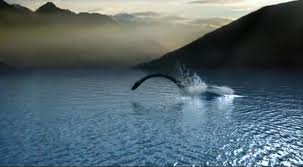
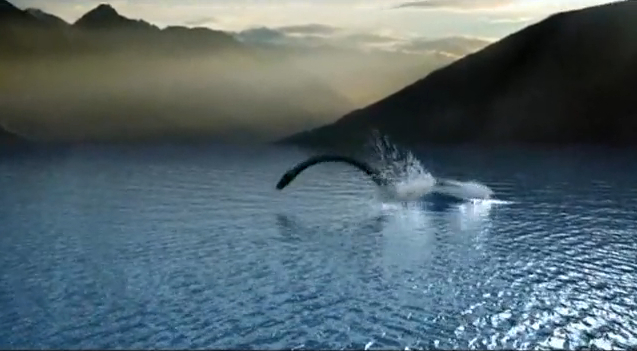
Let’s set the scene. It’s grainy. It’s handheld. It’s exactly the kind of shaky, panic-induced camerawork you expect when someone stumbles upon a biological impossibility. The video was captured by a student named Conall Melarkey. He wasn’t out there hunting for glory. He wasn’t looking for monsters. He was just a guy with a camera, out on the open water, shooting a short film for a college assignment.
The project? A short film titled ‘Fishing With David Lynch.’
Irony? Maybe. David Lynch is the master of the weird, the surreal, the unexplained. And then, life decided to imitate art. While the camera rolled, the water broke. A shape emerged. Not a fish. Not a seal. A beast.
“Looks like we have our own Loch Ness Monster – any experts out there?” Melarkey posted online. He sounded casual. But the internet? The internet went nuclear.
In less than a week, the clip racked up over 100,000 views. That’s huge. But why? Because it taps into that primal fear we all have. The fear of what lies beneath. The ocean is not our home. It’s a hostile, alien world, and we are just tourists floating on the surface. When something breaks that surface—something big—it reminds us that we are not at the top of the food chain.
Deconstructing the Beast: What Are We Looking At?
Pause the video. Look at the silhouette. The object in the Lough Foyle footage moves with purpose. It cuts through the water. This isn’t a piece of driftwood bobbing in the current. It has propulsion. It has weight.
The theories started flying immediately. The comment sections turned into a war zone of biologists, armchair detectives, and wild-eyed believers. Let’s break down the main suspects.
1. The Prehistoric Survivor
This is the one we all want it to be. The Plesiosaur. A marine reptile from the Jurassic period. The theory goes that a small population survived the extinction event, hiding in the deep, cold trenches of the ocean, occasionally entering lochs and loughs to breed or feed. Is it scientifically probable? No. Is it impossible? The Coelacanth was supposed to be dead for millions of years until we found one alive in 1938. The ocean keeps secrets.
2. The Genetic Mistake
Pollution. Radiation. Chemical runoff. We treat our oceans like garbage dumps. Could something have twisted the DNA of a known species? A conger eel that grew too large? A sturgeon that didn’t stop growing? Mutants aren’t just for comic books. Biology gets messy when you introduce toxins.
3. The Whale Theory
Lough Foyle opens into the Atlantic. Whales get lost. They breach. They look strange from a distance. A Pilot Whale or a Minke Whale could account for the size. But the movement? The way it loops? Whales usually have a distinct rhythm. This thing looked… wrong. It looked serpentine.
4. The Ultimate Viral Stunt
And here is the cold shower. The skepticism. Conall Melarkey is a film student. The movie is about David Lynch. Is this whole thing a masterclass in guerrilla marketing? A CGI overlay? An animatronic prop towed by a hidden boat?
“Can’t believe people are suggesting this is just a viral promotion for our college project which is only two minutes long,” Melarkey said. He sounds defensive. Or maybe he’s just a good actor. But here is the thing about hoaxes: even if *this* one is fake, it doesn’t mean the phenomenon is fake. It just means someone is capitalizing on a legend that already exists.
The “David Lynch” Connection: A Clue or a Coincidence?
Let’s obsess over the title of the student film for a second. ‘Fishing With David Lynch.’ If you know cinema, you know Lynch doesn’t do straight narratives. He does dream logic. He does monsters behind the diner. He does the uncanny.
Is the monster a metaphor? In the footage, the creature passes by, ignoring the boat. It’s almost too perfect. Too cinematic. If this is a hoax, it’s a brilliant one. It plays on our desire for mystery. It gives us a puzzle box. But let’s play devil’s advocate. What if the film title is just a coincidence? What if a film student just happened to be in the right place at the right time? Lightning strikes. People win lotteries. Sometimes, you just get the shot.
Beyond the Hoax: The Dark History of Irish Waters
Forget Melarkey for a moment. Forget the viral video. Let’s look at the location. Ireland is not new to sea monsters. Scotland gets the press, but Ireland has the folklore. Deep, terrifying folklore.
Have you heard of the Dobhar-chú?
In Irish myth, this is the “Water Hound.” It’s not a cute dinosaur. It’s a killer. It’s described as a cross between a giant otter and a wolf. It lives in the lakes and rivers. It attacks humans. There are gravestones in Ireland—actual, physical gravestones from the 17th and 18th centuries—dedicated to people supposedly killed by the Dobhar-chú. One famous headstone in County Leitrim depicts the beast being stabbed by a grieving husband.
If there is a creature in Lough Foyle, maybe it’s not a dinosaur. Maybe it’s the Water Hound. The descriptions of the Dobhar-chú match the sleek, dark, fast-moving object in the video far better than a lumbering Plesiosaur. It’s fast. It’s aggressive. It’s native to the land.
Geography is Destiny: The Loch Ness Connection
Look at a map. Really look at it. Northern Ireland and Scotland are neighbors. They are separated by the North Channel. Geologically, they share the same DNA. The fault lines that created the Great Glen (where Loch Ness sits) continue right through to Ireland.
If a population of large aquatic creatures exists, why would they stay in one Loch? Animals migrate. Food sources move. If these creatures are sea-going—if they can handle salt water—then the distance between Loch Ness and Lough Foyle is nothing. It’s a morning swim.
Lough Foyle is a large estuary. It’s deep. It’s connected to the open ocean. It is the perfect hiding spot. A creature could slip in from the Atlantic, feed on the salmon runs, and slip back out before anyone grabs a camera. Melarkey might have just caught a commuter.
The Psychology of the Sighting
Why do we care? Why did 100,000 people watch a grainy clip of dark water? Because we are bored. We have mapped the entire globe. We have satellites watching every inch of the planet. We have GPS in our pockets. The world feels small. It feels conquered.
A monster changes that. A monster means there is still wilderness. It means there are still things we don’t understand. It breaks the monotony of modern life. We *need* the Lough Foyle monster to be real. We need Nessie to be real. Because if they are real, then the world is still magical. It is still dangerous.
Skeptics will say it’s a log. They will say it’s a wave. They will say it’s a prop. And they might be right. But they are missing the point. The point isn’t the object in the water. The point is the reaction. The point is that for a few days, thousands of people looked at a screen and asked, “What if?”
The Verdict: Hollywood or Horror?
So, what is the final call on the Lough Foyle footage? We have to look at the evidence with clear eyes.
- The Pros: The movement is fluid. The size is impressive. The location makes geographical sense for a marine predator.
- The Cons: The source is a film student. The timing is convenient. The “monster” looks suspiciously distinct against the water, a common trait of digital compositing.
Most experts lean toward the hoax theory. The “Fishing With David Lynch” angle is just too on-the-nose. It smells like a viral marketing campaign that worked better than anyone expected. It’s the “Blair Witch Project” of the cryptozoology world.
But here is the lingering doubt. The shadow in the back of your mind.
What if they used the film as a cover? What if they saw something real, and the only way to process it was to frame it as art? Or, what if the hoax was *inspired* by local stories that people are too afraid to talk about openly?
The Ocean remains undefeated
Whether Conall Melarkey built a prop or filmed a beast, he achieved something legendary. He turned eyes back to the water. He reminded us that the Irish coast is wild and deep.
Next time you are near Lough Foyle, or any dark body of water, don’t just look at the view. Look *into* it. Watch the surface. Wait for the break. Because science says giant prehistoric monsters are extinct. But science also said the Giant Squid was a myth until we caught one on camera.
The ocean is deep. The shadows are long. And something is definitely swimming out there.
Keep your cameras ready.