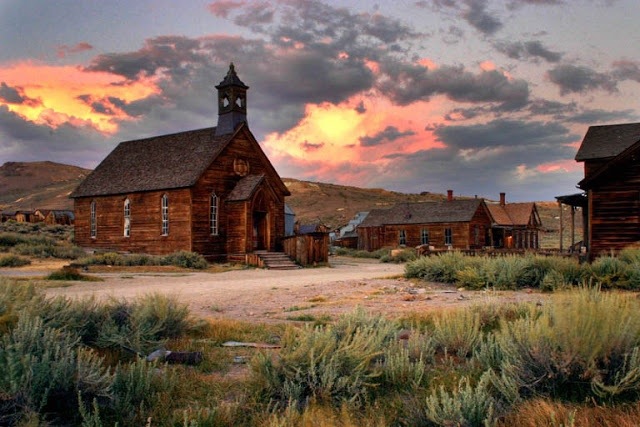
The Town That Time—and God—Forgot
Silence. That is the first thing that hits you. It isn’t a peaceful silence. It’s heavy. It presses against your eardrums. We are talking about Bodie, California. This isn’t just another roadside attraction or a tourist trap with fake cowboys and overpriced sasparilla. This is the real deal. A scar on the landscape of the American West.
Located east of the Sierra Nevada range in Mono County, this place sits at an elevation of nearly 8,400 feet. The air is thin here. Maybe that’s why visitors report feeling lightheaded, or watched, or suddenly overcome with dread. Is it the altitude? Or is it the thousands of souls who lived, fought, and died in these wooden shacks?
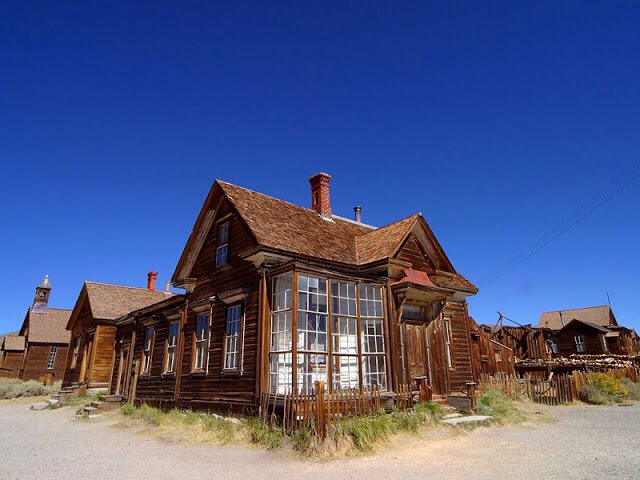
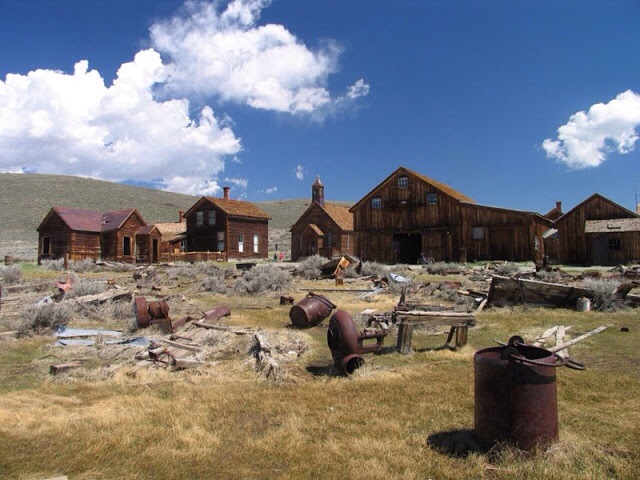
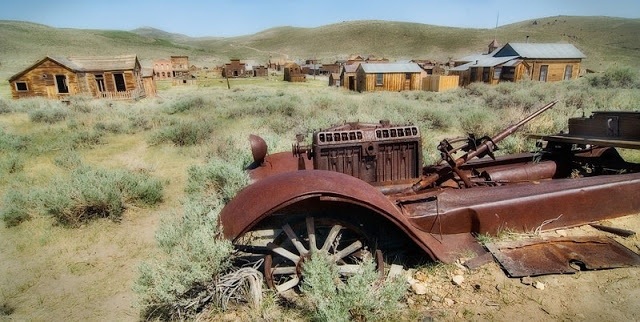
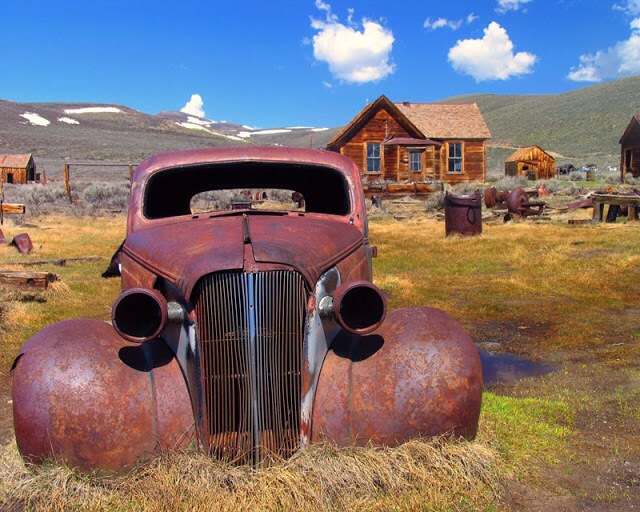
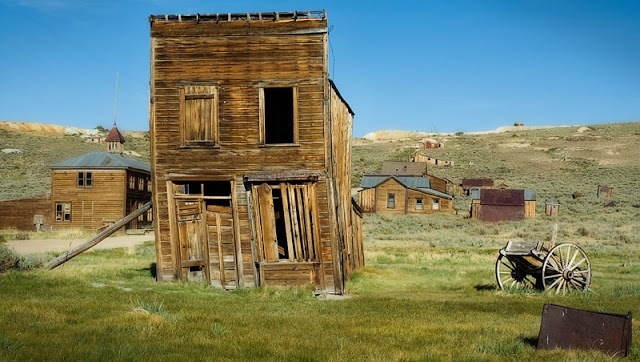
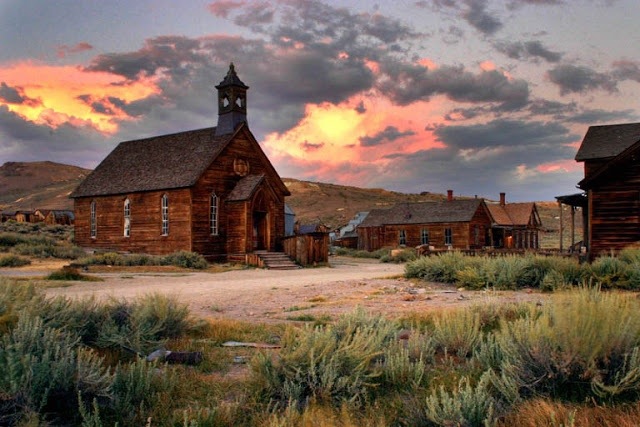
Administered by California State Parks since 1962, and recognized as a National Historic Landmark, Bodie stands in a state of “arrested decay.” That is the official term. They don’t fix it up. They don’t paint the fences. They just keep it from falling over. Barely. It’s a snapshot of history, frozen at the exact moment the world moved on. But if you dig a little deeper into the lore, you start to wonder if the world moved on, or if Bodie was simply left behind to rot for its sins.
The Frozen Corpse That Started It All
Every ghost story starts with a tragedy. Bodie is no exception. The town’s origins are soaked in freezing desperation. It all began in 1859. Four prospectors were combing the hills. One of them was W. S. Bodey (sometimes spelled Body). He found gold. A lot of it.
You’d think this would be the start of a happy story. Riches. Mansions. Retirement. Wrong.
Nature in the high Sierras is brutal. Unforgiving. That November, a blizzard swept in with the fury of a demon. Bodey had made a supply run to Monoville. He never made it back to camp. The storm swallowed him whole. He perished in the whiteout, freezing to death while clutching the very supplies meant to keep him alive.
Here is where it gets weird. His body wasn’t found until the snow melted the following spring. Even then, he was buried in a shallow, unmarked grave. Later, when the town boomed, nobody seemed to care about the man who started it all. His bones were eventually moved, but for decades, the founder of one of the wildest towns in the West was treated like an afterthought. Some say that’s the root of the bad energy here. The disrespect. The greed that overshadowed the dead.
1876: The Explosion of Greed
For years, Bodie was nothing. A blip. A few guys digging in the dirt. But in 1876, the Standard Company hit a vein. And not just any vein. This was gold-bearing ore of the highest quality.
News travels fast when money is involved. Especially in the 1870s. Suddenly, the isolated camp wasn’t isolated anymore. It was a magnet. A beacon for every desperate, hungry, and morally loose character in the country.
The transformation was violent. In 1878, another strike in the adjacent Bodie Mine poured gasoline on the fire. People flooded in. We aren’t talking about a few wagon trains. We are talking about a stampede. By 1880, the population exploded to somewhere between 7,000 and 8,000 people. Some estimates say even more.
Think about that. Eight thousand people crammed into a remote, high-altitude outpost with no law, no sewage system, and unlimited alcohol. It was a recipe for disaster. Over the years, the mines pumped out over $34 million in gold. Adjusted for inflation? That is an astronomical amount of wealth. Billions. And where there is that much money, blood always follows.
A Mile of Hell: The “Sea of Sin”
Bodie wasn’t just a mining camp. It was a metropolis of vice. It had the trappings of civilization—two banks, a railroad, unions, newspapers. But that was just the veneer. Underneath? Pure chaos.
Main Street was a mile long. And on that single mile, there were 65 saloons. Sixty-five. Let that sink in. You could crawl from one end of town to the other and never stop drinking. And these weren’t gentleman’s clubs. They were dens of iniquity. Gambling halls. Opium dens. Brothels.
The town operated on a 24-hour cycle of work and debauchery. Miners would come up from the dark, dusty tunnels, pockets full of wages, and blow it all on whiskey and women. The “Bad Man from Bodie” became a cultural archetype. It wasn’t a joke. It was a warning.
Violence was mundane. It was boringly common. Shootouts weren’t high noon dramas; they were drunken arguments over cards or spilled drinks. Murders happened so often that the town bell would toll for the dead almost daily. There’s a famous quote from a Methodist minister, Reverend F.M. Warrington, who described Bodie as a “sea of sin, lashed by the tempests of lust and passion.” He wasn’t exaggerating.
And then there is the little girl. The legend. You’ve heard it, but let’s look closer. The story goes that her family was packing up to move to this god-forsaken town. She knelt by her bed and whispered, “Goodbye God, we are going to Bodie.”
Chilling, right? It implies that Bodie was a place beyond God’s reach. A place where even the Almighty feared to tread. Of course, the local newspaper editor—a man trying to sell the town’s image—spun it. He claimed she actually said, “Good! By God, we are going to Bodie.” Nice try, pal. We know which version feels true. The darkness of this place doesn’t feel like a celebration. It feels like a warning.
The Great Abandonment: Where Did Everybody Go?
Boomtowns bust. It’s the cycle of the West. But Bodie didn’t just bust. It lingered. It slowly suffocated. The gold didn’t disappear overnight, but it got harder to reach. The profits thinned. Then came the fire.
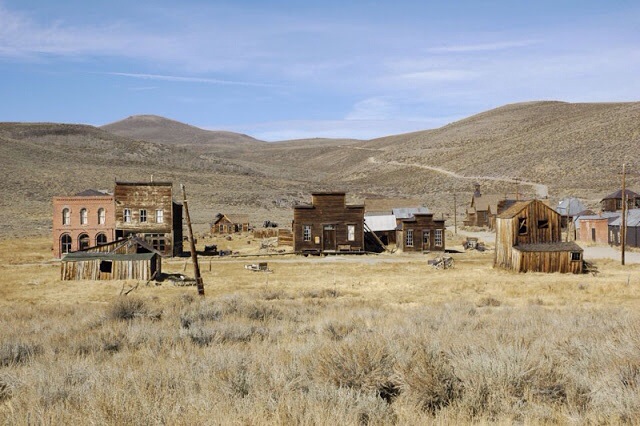
Disaster struck more than once, but the fires were the nails in the coffin. A massive blaze in 1892 and another in 1932 wiped out huge chunks of the town. The 1932 fire, specifically, was started by a boy playing with matches. A staggering 95% of the town was destroyed over time. What we see today—the 100 or so buildings left—is just a tiny fraction of the original city. It’s the skeleton.
By the 1940s, Bodie was effectively dead. But here is the mystery: Why does it look like they just stepped out for lunch?
Peer through the dusty windows of the remaining houses. You will see tables set with plates. You will see goods on the shelves of the general store. You will see pool balls scattered on the felt in the saloon, as if a game was interrupted mid-shot. Why leave your furniture? Why leave your family photos?
Historians say it was because freight was expensive. It cost too much to move heavy items. So, people just walked away. They packed what they could carry and left the rest to the ghosts. But looking at those rooms, it feels more sudden. It feels like a flee. Like they were running from something.

The Curse of Bodie: Do Not Touch the Artifacts
This is where things get really dark. Modern conspiracy theorists and paranormal investigators love this part. There is a “Curse of Bodie.” And unlike some campfire stories, this one has receipts.
The curse is simple: If you take anything from Bodie—a rusty nail, a piece of glass, a rock, anything—bad luck will hunt you down.
You might laugh. Superstition, right? Tell that to the park rangers. They have a collection. A museum of regret. For decades, the park office has received packages in the mail. Anonymous packages. Inside, you find stolen items from the town—old bottle caps, splinters of wood, nails. And with them, letters.
The letters are terrified. They are apologies. “Please take this back,” they say. “My life has fallen apart since I took this.”
One letter writer described a car accident immediately after leaving the park. Another lost their job and their health. Divorces. Financial ruin. Sudden illnesses. The patterns are undeniable. People are desperate to return these cursed items to stop the bleeding in their lives. Is it guilt? Or is there an energy attached to these objects? A protective spirit guarding the town against looters?
Some say the ghost of W.S. Bodey himself protects the gold and the town he died for. Others say it’s the collective rage of the miners who died in the tunnels, crushed by rock or blown apart by dynamite. They never got their riches. And they aren’t about to let you take yours.

Paranormal Activity: The Residents Who Never Left
Anne Sweazy-Kulju agrees with Anatole France: history books that contain no lies are extremely dull. She’s working to fix that!
Anne Sweazy-Kulju has dug deep into this. She knows that Bodie isn’t just wood and nails. It’s memories. Violent, loud memories.
BODIE is one of the most authentic abandoned gold-mining towns of the Old West, but calling it “abandoned” might be a lie. It is inhabited. Just not by the living.
Visitors report strange phenomena constantly. The smell of cigar smoke in buildings that haven’t seen a lit match in eighty years. The sound of piano music drifting from the Dechambeau Hotel. The heavy, oppressive feeling of being watched from the upstairs windows of the Cain house.
There is a specific entity often spotted in the cemetery—the “Angel of Bodie,” a statue of a child that seems to move on its own. Or the ghost of Evelyn, a little girl who died in a freak accident, who is said to peek out from the windows, looking for a playmate.
The town’s Methodist minister, Reverend F.M. Warrington, called it a “sea of sin.” Maybe that sin left a stain. A psychic residue. The fights and murders were everyday occurrences. Blood soaked into the dirt streets. You don’t just wash that away with rain.
Anne Sweazy-Kulju uses this terrifying backdrop for her mesmerizing tale set in both the late 19th century and the present day. She doesn’t shy away from the brutality. She opens her book with a Wild West slaughter. A murder. It fits. Because in Bodie, death was just a part of the economy.
The Warning
If you visit Bodie today, you have to drive down a long, bumpy dirt road. It feels like you are driving off the edge of the earth. When you get there, walk the streets. Look in the windows. But keep your hands in your pockets.
The rangers aren’t just protecting the history. They might be protecting you. The “Curse of Bodie” doesn’t care if you believe in it or not. It waits. It watches. And if you steal from the dead, the dead might just come to collect.
So, was the little girl’s prayer “Goodbye God”? Looking at the desolate, beautiful, terrifying remains of this boomtown, it’s hard to argue otherwise. God may have visited Bodie once or twice, but He certainly didn’t stay.
Originally posted 2014-03-04 00:03:45. Republished by Blog Post Promoter