The Dortmund Zoo Mystery: What Stalked the Animals in the Dead of Night?
Some places are supposed to be safe. Sanctuaries. Places where the wild is tamed just enough for us to gaze in wonder. A zoo should be a haven, a colorful collection of life protected from the harshness of the outside world. But what happens when the danger isn’t outside the gates?
What happens when the threat is already inside, moving like a phantom in the shadows?
In 2016, the Dortmund Zoo in western Germany wasn’t a place of joy. It was a sprawling crime scene. A string of bizarre, disturbing, and ultimately unsolved events turned this family attraction into the heart of a chilling mystery. It started with a whisper, a theft in the dark. It grew into a scream with a brutal killing. And it ended with a final, baffling act that left investigators and the public asking one terrifying question: was this a poacher, a psychopath, or something else entirely?
This isn’t just a story about a dead penguin. This is the story of a zoo under siege.
A Timeline of Terror: The Haunting of the Amazona House
Every good mystery has a beginning. A moment when the fabric of normalcy begins to tear. For Dortmund Zoo, that moment came not with a bang, but with the eerie silence of an empty cage.
August 2015: The Vanishing Monkeys
The “Amazona” house is meant to be a slice of the South American rainforest right in the middle of Germany. Humid, vibrant, and filled with the chatter of exotic life. But one morning in August 2015, the chatter was noticeably quieter. Five pygmy marmosets—the world’s smallest monkeys, barely larger than a human thumb—were gone.
Gone.
There was no sign of a struggle. No broken locks forced with crude tools. The enclosure was simply empty. This was a professional job. Someone knew the zoo’s layout. They knew the security patrols, or the lack thereof. They knew exactly what they were after. Pygmy marmosets are a high-value prize on the exotic pet black market, fetching thousands of dollars from shady collectors who desire the forbidden. The theft was reported, an investigation was launched, but the trail went cold almost instantly. The tiny monkeys had vanished into thin air, a silent prelude to the darkness that was about to fall.
February 2016: The Brutal Death of a Sea Lion
Months passed. The marmoset theft faded from the headlines. Winter settled over the zoo. Then, the horror escalated.
Keepers arrived one frigid morning to a sickening sight. Holly, a beloved female sea lion, was dead in her enclosure. This was no peaceful passing from old age or illness. The evidence pointed to a shocking act of violence. An autopsy later confirmed the worst: her skull had been crushed by a massive, violent impact. Someone, or something, had entered her habitat and bludgeoned her to death.
Think about that for a second. The force required. The sheer malice. A sea lion is not a small animal. This was an act of extreme brutality. Was it a failed poaching attempt? A simple, terrifying act of cruelty? The police were baffled. The zoo was in shock. Security was questioned, but with no suspect and no clear motive, all they could do was mourn Holly and wonder what was happening to their sanctuary.
The phantom had struck again. And this time, it left a body.

March 2016: The Penguin, The Storm, and The Final Mystery
Just one month later, the final, confounding act of this bizarre saga unfolded. A fierce storm raged over Dortmund one Monday night, lashing the zoo with wind and rain. The sounds of the storm would have provided perfect cover for any intruder.
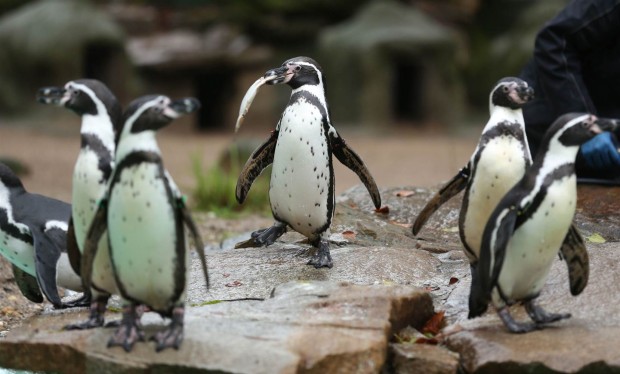
The following morning, a keeper made a grim discovery. A Humboldt penguin lay dead. But it wasn’t in its enclosure. It was found outside, on the zoo grounds, having suffered what officials cryptically described as “external injuries.”
But that wasn’t all. The horror was threefold. When the keepers did a frantic headcount, their blood ran cold. Two other penguins were missing. Vanished. Just like the marmosets.
The official line from the zoo director, Frank Brandstaetter, was telling. He immediately shot down the most obvious explanation. “It appears more than unlikely that the penguins escaped their enclosure with a panic jump during the stormy night,” he stated. Penguins are not known for their fence-climbing abilities. Someone had to have taken them. Someone who, in the process, killed one of their companions.
Katrin Pinetzki, a spokeswoman for the city, was even more direct. There is “no evidence that this was an accident,” she told the press. The zoo was immediately put on lockdown. Security personnel were hired to patrol the grounds “day and night.” The police launched a full-scale investigation, waiting on the results of the penguin’s autopsy to give them a clue, any clue, as to what happened.
But the clues never came. The case went cold. The two penguins were never seen again.
Who Was the Phantom of Dortmund Zoo? The Top Theories
With no arrests and a trail of dead or missing animals, all that’s left is speculation. Internet sleuths and armchair detectives have pored over this case for years, and a few key theories have emerged from the shadows. Each one is more disturbing than the last.
Theory #1: The Black Market Connection
This is the most logical and widely accepted theory. It neatly ties together the theft of the pygmy marmosets and the disappearance of the two Humboldt penguins. Both are highly sought-after on the illegal exotic pet market.
Let’s do a deep dive here. The illegal wildlife trade is a multi-billion dollar global industry, right behind drugs and weapons trafficking. Wealthy, unscrupulous collectors will pay a fortune for rare and exotic animals to keep in private menageries. A single pygmy marmoset can sell for up to $4,000. A Humboldt penguin, being a protected species and much harder to care for, could command an even higher price. A breeding pair? The value would be immense.
This theory suggests a sophisticated poacher, or a ring of them, targeted Dortmund Zoo. They knew the layout, the schedules, and what to take. The dead sea lion and the dead penguin? They could be tragic collateral damage. Perhaps the sea lion fought back during a capture attempt, and the poacher killed it in a panic. Maybe the penguin was injured during its abduction and was simply discarded. It’s cold, clinical, and driven by greed. It paints a picture of a ruthless professional who sees these living creatures as nothing more than a payday.
Theory #2: The Inside Job
How did the culprit bypass security so effectively, multiple times? How did they know exactly where to find the most valuable, smaller animals? This leads many to a chilling conclusion: the phantom was a zookeeper. Or at least a former employee.
Someone with a key. Someone who knew the camera blind spots. Someone the animals might not even fear upon approach. A disgruntled employee seeking revenge against the zoo’s management could be a powerful motive. Maybe they felt underpaid or wrongfully terminated. Stealing valuable animals would be a way to hit the zoo directly in its finances and reputation.
The extreme violence against the sea lion and penguin adds a dark twist to this theory. This might not just be about money; it could be personal. The killings could have been acts of pure rage, a way to inflict emotional pain on former colleagues who cared for these animals. This theory combines the cold logic of the poacher with the terrifying passion of a personal vendetta.
Theory #3: The Thrill Killer
This is the darkest path. The one nobody wants to believe.
What if the motive wasn’t money or revenge? What if it was simply the desire to cause suffering? The theft of the monkeys and penguins could be a smokescreen for the real purpose: the thrill of the kill. The brutal, hands-on nature of the sea lion’s death—a crushed skull—is not typical of a poacher trying to be quiet and efficient. It’s violent. It’s personal. It suggests a deep-seated pathology.
Law enforcement profiles on serial offenders often point to animal cruelty as a precursor to violence against humans. Could the Dortmund Zoo have been the training ground for a budding serial killer? Someone testing their limits, honing their craft in a place where the victims couldn’t scream for help? The idea that someone was stalking the zoo grounds at night, not for profit, but for the sheer sadistic pleasure of it, is a truly terrifying thought. In this scenario, the missing animals weren’t sold. They likely met a grim fate far from the prying eyes of the investigation.
The Lingering Questions and the Chilling Silence
Years have passed since the strange and terrible events at Dortmund Zoo. The heightened security remains. The zoo has moved on, a scar left on its history. But the mystery is as cold and deep as ever.
- Where are the two missing penguins? Were they successfully sold on the black market, living out their days in a private collection, or did they meet a more sinister end?
- What did the final autopsy of the dead penguin reveal? The results were never widely publicized, leaving a gaping hole in the public narrative. What “external injuries” did it suffer?
- Were there any other strange incidents at the zoo around that time that were never reported to the press? Often in cases like this, smaller, seemingly unrelated events are later seen as part of a larger pattern.
The phantom of Dortmund Zoo was never caught. They slipped back into the shadows from whence they came, leaving behind a legacy of fear and unanswered questions. The case remains a stark reminder that even in the most cheerful of places, a deep darkness can be lurking just out of sight. The next time you visit a zoo and watch the penguins waddle or the monkeys play, remember the story of Dortmund. Remember that for a few terrifying months, a sanctuary became a hunting ground, and the mystery of who was responsible remains unsolved to this day.
Originally posted 2016-03-15 13:55:59. Republished by Blog Post Promoter