Home Weird World Strange Places Abandoned Theme Park – Six Flags New Orleans

Abandoned Theme Park – Six Flags New Orleans

0
60

The Sunken Kingdom: Why Is Six Flags New Orleans Still Rotting?

There’s a place on the edge of New Orleans where the laughter died. A place where the skeletons of roller coasters stand silent against the sky, monuments to a joy that was drowned.

This is the story of Six Flags New Orleans. But it’s not just the story of a forgotten theme park. It’s a story of a city’s trauma, a corporate ghost, and a 140-acre mystery that has festered for nearly two decades. Why was this kingdom of fun left to be swallowed by the swamp? What secrets are rusting away behind its padlocked gates?

Forget what you think you know. The truth is far stranger, and far sadder, than a simple story of a storm. This is a deep dive into the sunken kingdom.

Before the Flood: A Dream Called Jazzland

It began with a spark of hope. For years, New Orleans lacked a major theme park, a void felt by families across the region. In 2000, that changed. Jazzland opened its gates, a vibrant park infused with the soul of Louisiana. It wasn’t just another generic amusement park; it was a celebration of local culture. The park was divided into themed areas like “Mardi Gras,” “Cajun Country,” and “Pontchartrain Beach,” a nostalgic nod to a beloved local park from a bygone era.

The sounds of jazz and zydeco music filled the air. The smells of beignets and jambalaya wafted from food stalls. It was new. It was exciting. It was ours.

But the dream was bigger. In 2002, the amusement park giant Six Flags saw the potential. They swept in, bought the lease, and poured millions into the property. A year later, it was reborn: Six Flags New Orleans. The transformation was dramatic. DC Comics heroes arrived, bringing with them blockbuster rides like Batman: The Ride. The Jester coaster twisted its way into the skyline. The park was now on the national stage, a premier destination. It was loud, bright, and brimming with life. For a couple of glorious years, it was the place to be.

Nobody knew how short that time would be.

The Day the Music Died: August 21, 2005

The last day. No one knew it was the last day. August 21st, 2005, was a typical Sunday at the park. Hot. Humid. Filled with the shrieks and laughter of kids on summer break. The Mega Zeph, a massive wooden roller coaster, rumbled with its final train of cheering riders. The log flume sent its last boat splashing down into the cool water. As the sun set, the gates were locked, the lights were turned off, and the staff went home, expecting to return in a few days.

But out in the Gulf of Mexico, a monster was stirring. A tropical depression was rapidly intensifying, feeding on the warm waters. Its name was Katrina.

The city held its breath. Evacuation orders were issued. Park employees did what they could, securing what they thought were vulnerable assets, believing they were preparing for a bad storm, not an apocalypse. They were getting ready for a punch, not a drowning.

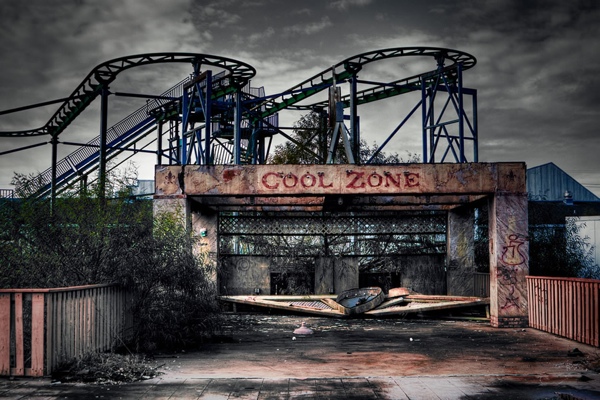
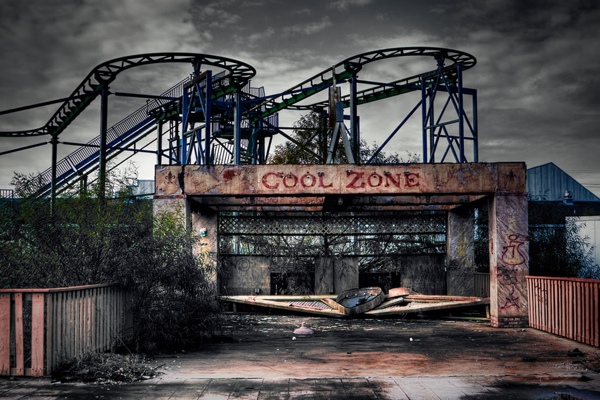
Cool-Zone-abandoned-Six-Flags-New-Orleans

Deep Dive: The Anatomy of a Drowning

To understand what happened to Six Flags, you have to understand the geography of its grave. The park was built in New Orleans East, a low-lying area protected by a series of levees and floodwalls. It was a bowl. When Katrina hit, it wasn’t the wind that delivered the death blow. It was the water.

The storm surge overwhelmed the city’s defenses. Levees failed. The Industrial Canal broke. A wall of water poured into the city, and that bowl began to fill. The theme park’s location, near several of the most catastrophic breaches, meant it stood no chance. It wasn’t just flooded. It was submerged. For over a month, the entire 140-acre property sat under four to seven feet of corrosive, toxic saltwater. This wasn’t rainwater. This was a chemical soup, a brackish brew from the Gulf of Mexico and Lake Pontchartrain, filled with sewage, chemicals, and debris.

It seeped into everything. It corroded steel from the inside out. It fried every circuit board, every computer, every lightbulb. It warped the wooden tracks of the Mega Zeph and dissolved the foundations of buildings. The drowning was slow, silent, and absolute.

A Kingdom in Ruins: The Horrifying Aftermath

When the waters finally receded, what was left was a nightmare. The vibrant colors of the park were gone, replaced by a uniform layer of grey-brown sludge. A toxic high-water mark stained every building, a grim reminder of how deep the grave was. Six Flags corporate sent assessors to survey the damage. Their conclusion was swift and brutal.

They estimated the park was 80% destroyed. The cost to repair, they claimed, would be astronomical, well over $30 million. More importantly, the cost to demolish and rebuild would be even higher. In July 2006, Six Flags officially announced it was walking away. They invoked clauses in their lease and began a long, ugly legal battle with the city of New Orleans to terminate their 75-year commitment. By 2009, they were officially gone, leaving the keys to a ruined kingdom in the hands of the city.

And that’s when the real decay began.

Hurricane-Katrina-killed-this-clown

The Ghosts of the Midway: What Haunts the Park Today?

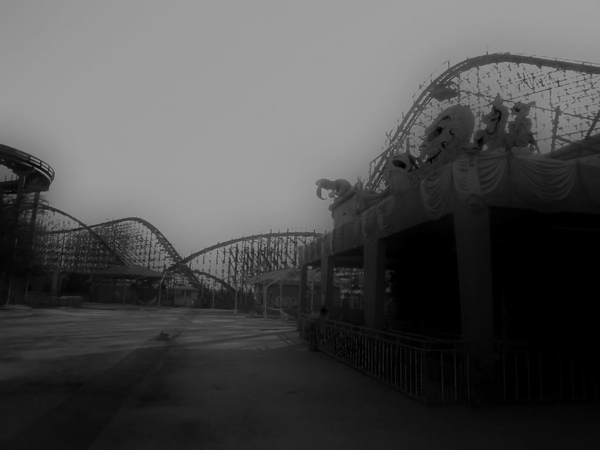
Today, the park is a chilling spectacle. Nature is reclaiming it with a vengeance. Weeds have shattered the pavement. Alligators swim in the water rides. It’s a post-apocalyptic landscape, a real-life horror movie set.

Some rides were salvaged and sent to other Six Flags parks. The Batman coaster was meticulously disassembled and now thrills riders in Texas under a new name. But the big ones, the icons, were too damaged to save. They were left behind to die.

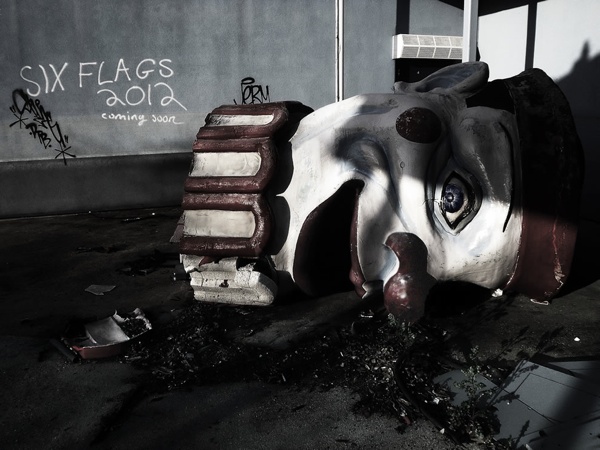
The Mega Zeph still stands, its wooden frame bleached and splintered, a silent giant against the Louisiana sky. The Big Easy Ferris Wheel is frozen, its gondolas occasionally creaking in the wind like old bones. And then there’s the clown. A giant, grinning clown head that once welcomed children now lies on its side in the dirt, its painted smile peeling, its eyes hollow and dead. It has become an icon of the decay, a viral image of happiness curdled into horror.

The park has become a grim mecca for urban explorers. Despite 24-hour security and NOPD patrols, daredevils sneak through the fences to document the decay. Their photos and videos are all over the internet, a digital museum of the park’s slow-motion collapse. They capture graffiti-covered walls, ride machinery being swallowed by vines, and prize stands littered with the soggy, ruined remains of stuffed animals that were never won.

Is it haunted? Locals will tell you it is. They talk of hearing faint carnival music on the wind at night or the phantom rumble of a roller coaster. Online theorists pore over photos, claiming to see figures in the shadows. But the real ghosts aren’t spirits. They are the memories of what used to be, and the suffocating presence of what could have been.

Like-a-Bad-Dream-abandoned-Six-Flags

Hollywood’s Favorite Wasteland

While the city of New Orleans didn’t know what to do with its decaying amusement park, Hollywood did. The authentic, large-scale destruction was something no set designer could ever hope to replicate. The park became one of the most sought-after filming locations for post-apocalyptic blockbusters.

Walk through the ruins and you are walking through movie history. That overgrown plaza? That was part of the ape encampment in Dawn of the Planet of the Apes. That shattered main street? It was featured in Jurassic World, where raptors chased down their prey. The park has also set the scene for films like Percy Jackson: Sea of Monsters and TV shows like Cloak & Dagger.

For a fee, film crews can come in and capture the perfect vision of a world that has ended. Then they pack up and leave, and the park returns to its silent, slow decay. It’s a bizarre second life for the property: a place of imaginary fun, destroyed by a real disaster, now used to create imaginary disasters.

What If? The Endless Graveyard of Broken Promises

Here lies the heart of the mystery. Why, after all these years, is it still sitting there? The answer is a frustrating cycle of failed dreams, political red tape, and mind-boggling financial hurdles.

So many plans have been announced with great fanfare, only to quietly vanish. In the years immediately following the storm, there was talk of rebuilding. Nickelodeon even entered negotiations to create a massive new theme park on the site. The deal fell apart.

Then came the shopping mall proposals. Two separate outlet mall developments were announced. Renderings were released. Press conferences were held. Both projects collapsed under their own weight, failing to secure the necessary financing to deal with the immense cost of demolition and site cleanup.

There was a plan to turn it into a water park. That fizzled out. A plan for a new theme park called “Jazzland” to bring it back to its roots. It went nowhere. The city has issued request after request for proposals, but every single one has ended in failure.

Why? Some say the land is cursed. A more practical view points to the staggering cost. Demolishing the existing structures and performing the necessary environmental remediation on the contaminated soil would cost tens of millions of dollars before a single new nail could be hammered. Any developer has to stare down that massive cost before they can even think about building. For many, the numbers just don’t add up.

The Future: One Last Hope or the Final Nail?

In recent years, a new idea has gained momentum: a major film and television production hub. A company called Bayou Phoenix has been selected by the city to redevelop the site. Their plan includes sound stages, post-production facilities, a new hotel, and even a water park and a new amusement area—a small echo of the past.

It’s the most promising proposal in over a decade. But New Orleans has heard this song before. Residents are cautiously optimistic but deeply skeptical. They’ve seen grand announcements turn to dust too many times.

Until the bulldozers finally arrive, Six Flags New Orleans remains frozen in time. A modern ruin. It’s more than just an abandoned park; it’s a physical scar left by one of the worst disasters in American history. It’s a testament to the awesome power of nature and a frustrating symbol of the slow, complicated, and sometimes impossible path to recovery.

So the next time you see a picture of that rusted Ferris wheel or that horrifying, smiling clown, remember the full story. Remember the laughter, the storm, the flood, and the long, silent years of decay. The sunken kingdom of New Orleans is waiting. Waiting for a final ending, one way or another.

Originally posted 2016-04-27 08:27:52. Republished by Blog Post Promoter