Home Weird World UFO sighting Earliest UFO Photo’ Taken From Summit of Mount Washington, New Hampshire

Earliest UFO Photo’ Taken From Summit of Mount Washington, New Hampshire

0
82

Before Roswell: The Shocking First UFO Photographs They Tried to Erase

Forget everything you think you know. Forget the grainy footage from Navy pilots in the 21st century. Forget the sensational headlines and the Pentagon reports. The UAP phenomenon, the mystery of the skies, didn’t start with a bang in the New Mexico desert in 1947.

It started much, much earlier.

In whispers. In forgotten newspaper clippings. And most powerfully, in a collection of photographs so old, so strange, they defy easy explanation. These aren’t modern fakes cooked up in Photoshop. These are ghosts on glass plates, anomalies captured on primitive film, at a time when the very idea of a flying machine was a fantasy, let alone one from another world.

They’ve been hiding in plain sight for over 150 years. Dismissed. Ignored. Laughed at. But they refuse to go away. We’re about to journey back to the very beginning, to exhume the photographic evidence that proves we have never, ever been alone. Prepare to question the official timeline.

The truth was caught on camera long before they had a name for it.

The Mount Washington Anomaly (1870): The First UFO Photograph Ever?

Let’s set the scene. The year is 1870. The American Civil War is a fresh wound. Ulysses S. Grant is in the White House. The world is one of steam, iron, and telegraph wires. The airplane has not been invented. The concept of a “flying saucer” is pure science fiction, a wild dream from the mind of Jules Verne.

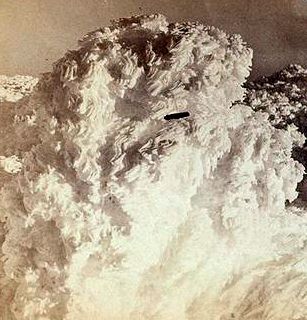
And high atop the brutal, windswept summit of Mount Washington, New Hampshire, a photographer sets up his bulky, primitive stereoscopic camera. The goal? To capture the majestic clouds and rugged landscape for sale to tourists. As the photo is taken, nothing seems out of the ordinary. Just another day in the “Home of the World’s Worst Weather.”

But when the glass plate negative was developed, something impossible appeared.

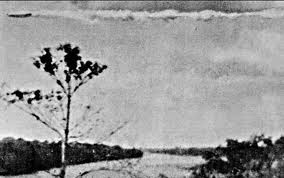
There, hanging in the sky, is a dark, cigar-shaped object. It’s clearly defined. It’s structured. It looks… manufactured.

This is it. Potentially the “Patient Zero” of UFO photography. The first time our primitive technology accidentally captured something that shouldn’t be there. For decades, this image was passed around, an oddity with no explanation. Skeptics came out in force. It’s a smudge on the lens! A scratch on the negative! A developing error! A piece of wood or a ruler that fell in front of the lens during the long exposure!

But the story gets weirder. The original was a stereoscopic photo, meaning two images were taken side-by-side to create a 3D effect. Researchers who have analyzed both images claim the object appears in slightly different positions relative to the background clouds. If it were a simple scratch or smudge on the plate, it would be in the exact same spot in both frames. This difference in position suggests a real, three-dimensional object at a distance. An object hanging in the sky.

So what was it? In an age before flight, what solid, dark, cigar-shaped craft could be hovering over a New Hampshire mountain? This single, haunting image from the dawn of photography throws a wrench into the entire timeline of human history and technology.

The Roaring Twenties: A Sky Full of Phantoms

The world lurched forward. The Great War was over, the Jazz Age was in full swing. But while people on the ground were dancing the Charleston, something was watching from above. The technology of photography had improved, becoming more accessible to the average person. And with more cameras came more chances to capture the impossible.

The Mysterious Farming UFO (1920s)

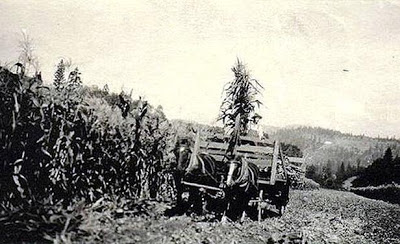
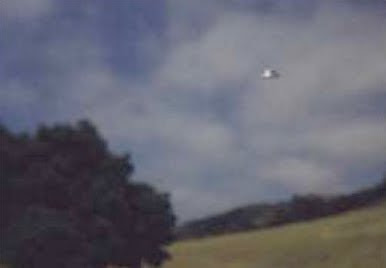
We know almost nothing about this picture, and that’s what makes it so chilling. The only note attached is “United States, early 1920s.” The rolling hills could be anywhere from Appalachia to the coastal ranges of California. A farmer, a worker, someone, decided to take a picture of the landscape.

And they captured this.

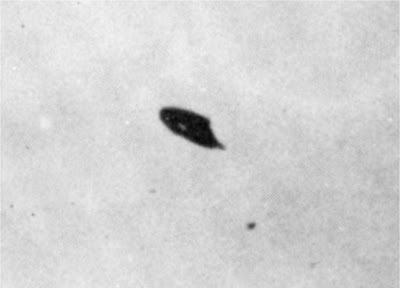
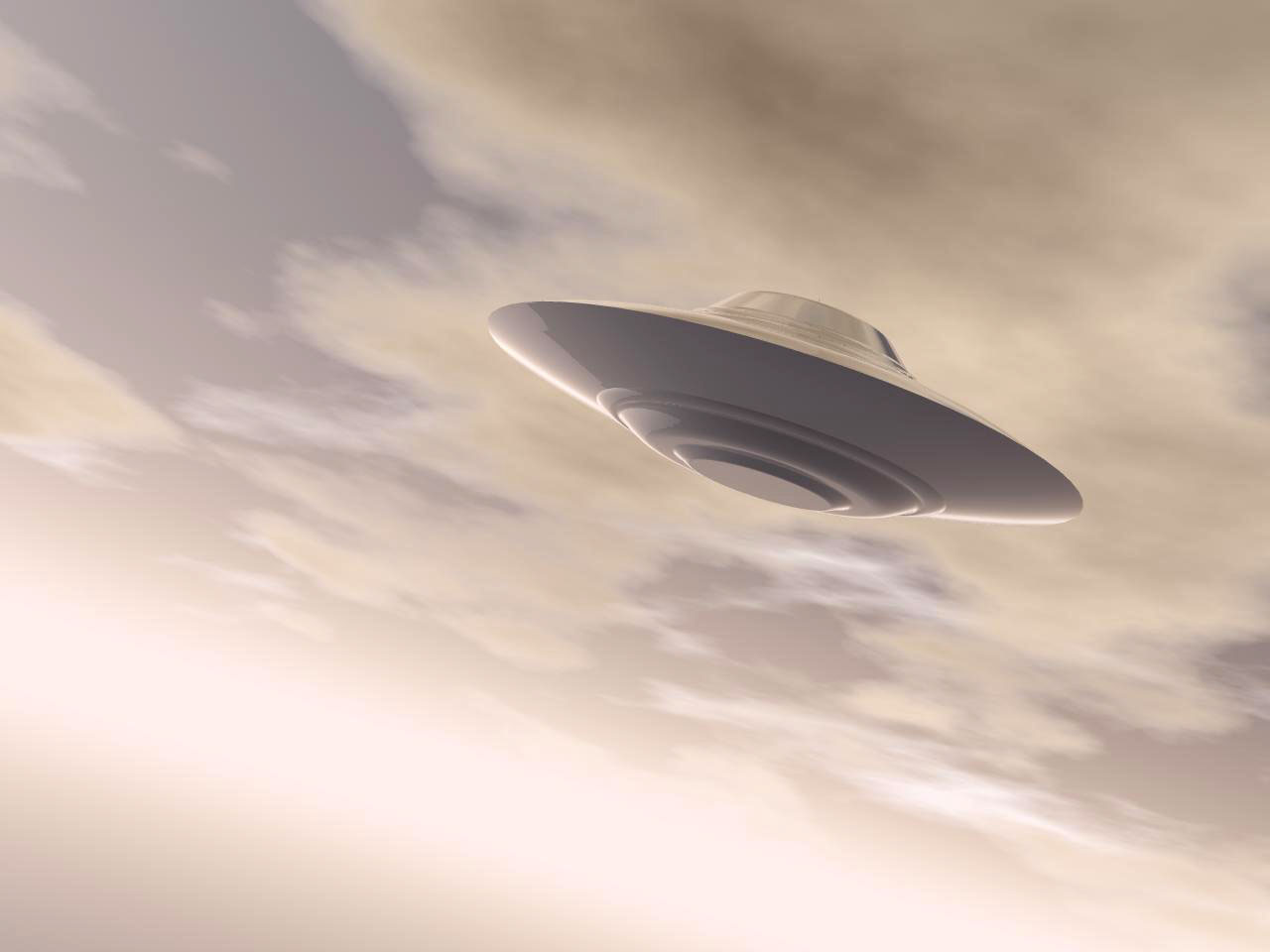
It’s a classic. The quintessential “flying saucer,” a design that would become iconic thirty years later. But this was the 1920s. The term hadn’t even been coined. It’s a dark, metallic-looking disc, tilted as if in mid-maneuver. You can almost feel the silence of the moment. No engine noise, no explanation. Just a strange machine hanging over a rural American field, a generation before the “craze” began.

Is it a bird? A thrown hubcap? Debunkers have tried it all. But look at the clarity. Look at the shape. It’s a complete enigma, a postcard from a forgotten aerial mystery.

The “Too Good to be True” Oregon Shot (Early 1920s)

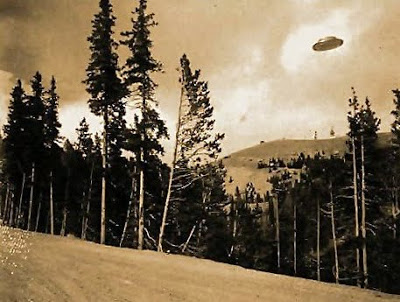
This one sends shivers down the spine. Taken in Cave Junction, Oregon, it is so sharp, so impossibly clear, that many automatically scream “hoax!” They claim a photograph from the 1920s couldn’t possibly be this detailed.

They’re dead wrong.

Anyone who has seen the landscape photos of Ansel Adams, who was working during this very era, knows that large-format cameras of the time could capture breathtaking detail. The film was huge, the lenses were pristine. The quality wasn’t the issue.

The issue is the subject.

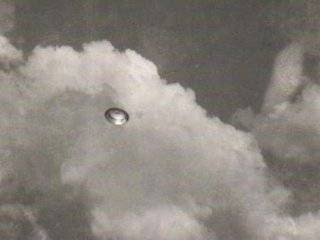
It’s not just a blurry dot. It’s a machine. It appears to be a disc, seen from a low angle, with a pronounced dome or structure on top. It looks solid, metallic, and utterly out of place. It hangs over the rugged Oregon landscape like a sentinel. The lighting on the object even seems to match the ambient light of the scene. Who took it? Why? The details are lost to time. All we have is the photograph itself, a silent witness to a moment when something beyond our comprehension dipped down from the sky.

The Colorado Sawmill Intruder (1929)

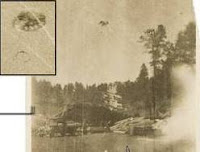
As the decade wound to a close, on the eve of the Great Depression, another strange image surfaced from a sawmill in Ward, Colorado. At first glance, it’s just a picture of a bustling industrial site. Then you see it.

A fast-moving object, streaking across the sky.


The person who took this photo must have been shocked when they saw the developed print. The object is just a blur, but when enlarged, it takes on a fascinating, almost biological shape. It’s not a disc. It’s not a cigar. It’s something else entirely, something that looks almost like a buzzing insect, but on a massive scale. The enlargement shows texture, form, and a sense of incredible speed. What did the loggers at this sawmill witness on that day in 1929? Another forgotten chapter in a story that was just beginning to unfold.

The Great Depression & A World at War: The Observers Get Bolder

As the world plunged into economic despair and then global conflict, the strange visitors didn’t leave. If anything, they seemed to become more interested in our affairs. The sightings continued, captured in quiet moments and, eventually, in the crucible of war itself.

The George Sutton Anomaly (1932)

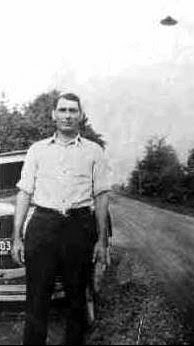
St. Paris, Ohio. May, 1932. A man named George Sutton poses proudly for a photograph. It’s a simple, honest picture from the heart of the Great Depression. The focus is on the man, a symbol of American resilience.

But over his left shoulder, something dark and ominous hangs in the air.

The immediate explanation is a streetlight. Obvious, right? Except it’s impossible. Family members and historical records confirm there were no power lines, no poles, and certainly no streetlights along that rural road in 1932. The photo proves it—the sky is empty of wires. A companion photo from the same album shows the license plate of the car, confirming the year.

So what is it? It’s a dark, structured object shaped like a lampshade or a bell. It’s perfectly silent, perfectly still. It’s not a blimp. It’s not a known aircraft. It’s just… there. An uninvited guest in a family photo, a dark omen hanging over a world in turmoil.

A Strange New Year’s Guest (1939)

The caption is simple: “New Year Day 1939.” The location is somewhere in the United States. The people in the photo are dressed in their Sunday best, perhaps for a special holiday gathering. The world is on the brink of another catastrophic war. But for a moment, they are posing for a picture.

And high above them, a dark, disc-shaped object cuts across the sky.

It’s not the focus of the photo, which makes it even more compelling. This wasn’t a deliberate attempt to photograph a “flying saucer.” It’s an accidental catch. The object is clear enough to be identified as a solid disc, tilted at an angle. Were the people in the photo even aware of it? Or did it silently glide overhead, a secret witness to their New Year’s celebration?

“Foo Fighters”: The Mystery of the Wartime Skies (1942-45)

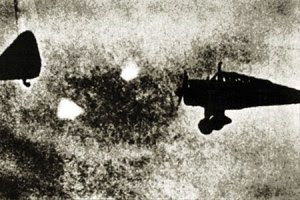
This is where the story explodes. During the height of World War II, pilots from both the Allied and Axis forces began reporting bizarre, terrifying encounters in the skies over Europe and the Pacific. They called them “Foo Fighters.”

These weren’t enemy aircraft. They were small, bright, metallic orbs of light that would appear out of nowhere. They would fly in formation with bombers, pace fighter planes wing-to-wing, and perform aerial maneuvers that defied the laws of physics. They were untouchable. When pilots tried to shoot them down, the bullets had no effect. When they tried to chase them, the orbs would accelerate to impossible speeds and vanish in the blink of an eye.

Both sides thought they were secret weapons of the other. The Allies thought they were advanced German technology. The Germans thought they were new Allied surveillance devices. After the war, records showed that neither side had any idea what they were. They were a complete and utter mystery, witnessed by thousands of the best-trained pilots in the world. Were they probes? Drones from some unknown intelligence? They never showed hostility. They just watched. Always watching our deadliest conflict from a front-row seat.

The Battle of Los Angeles (1942)

This wasn’t a fleeting sighting. This was an invasion.

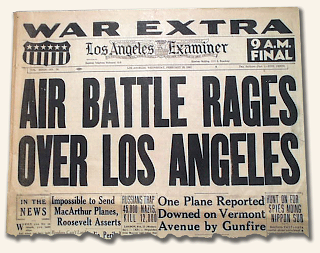
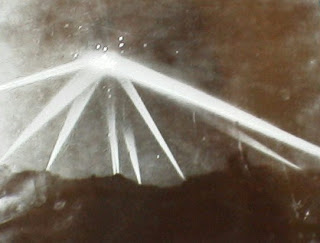
On the night of February 25, 1942, just months after the attack on Pearl Harbor, Los Angeles was gripped by panic. Air raid sirens blared across the city. A total blackout was ordered. And then, the sky erupted.

A massive, slow-moving object was spotted over the city. The US military threw everything they had at it. Searchlights stabbed the night sky, converging on the intruder. Anti-aircraft batteries opened up, firing over 1,400 massive 12.8-pound shells into the darkness. The city shook with the concussive blasts.


And a photographer from the Los Angeles Times captured the definitive, terrifying image of the event. There, caught in the nexus of a dozen searchlight beams, is the object. It’s not a plane. It’s not a blimp. It looks like a massive, alien craft, absorbing the full firepower of the US Army without any effect. Not a single shell brought it down. It lazily drifted across the city for hours, from Santa Monica to Long Beach, before finally disappearing.

The official explanation? “War nerves” and a stray weather balloon. A weather balloon that withstood a direct barrage of 1,400 artillery shells. The explanation is an insult to the intelligence of the thousands of witnesses who stared up in terror that night. The photo doesn’t lie. Something was over Los Angeles. And it wasn’t ours.

The Tsientsien Street Incident (Early 1940s)

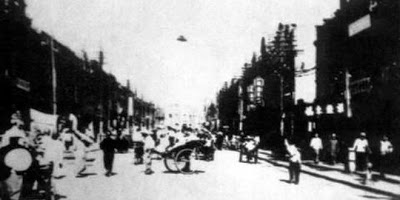
The mystery wasn’t confined to America. In Tsientsien (now Tianjin), China, during the Japanese occupation, a street photographer captured an incredible scene. The photo was later discovered by a Japanese student, Masujiro Kiryu, in his father’s old scrapbook.

The image shows a busy street scene. But chaos is erupting. People are stopping in their tracks, looking up, pointing at the sky. And the photographer captures what they’re seeing: a strange, dark, cone-shaped object hovering above the buildings. It looks like a child’s spinning top, just hanging there. The story goes that his father bought the print from the street photographer as a strange souvenir of his time in China. The reactions of the people on the ground are what make this photo so powerful. This isn’t a smudge; it’s an event.

The Post-War Wave: They’re Here to Stay

The war ended, the Atomic Age began, and the world tried to return to normal. But the skies grew even stranger. The year 1947 is famous for the Roswell crash and Kenneth Arnold’s sighting that coined the term “flying saucer.” But it was just the beginning of a golden age of UFO activity, with photos emerging from all corners of the globe.

The Marine’s Mystery Guest (1945)

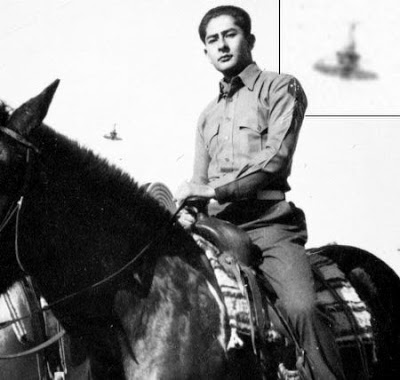
June, 1945. Burbank, California. Jack LeMonde, a US Marine just back from the brutal fighting in the South Pacific, poses for a picture on horseback. A moment of peace after years of war.

But when the film was developed, they saw it. A dark, streaking object high in the sky. Was it a meteor? A faulty camera shutter? Or was it something else, zipping through our atmosphere at incredible speed, captured in a one-in-a-million shot?

The Bizarre Scottish Craft (1947)

This is a strange one. Taken in the Outer Hebrides of Scotland in 1947, it shows an object that defies all easy classification. It’s clearly a solid, metallic-looking craft, but its design is unlike anything else reported.

It appears to be two-layered, almost like two saucers of different sizes stacked on top of each other, with a tall, thin spike or antenna protruding from the top. It has never been explained. It’s not a known aircraft, experimental or otherwise. It’s just a true, unexplained flying object, captured on film in the remote Scottish isles.

The Catalina Island Discs (1947)

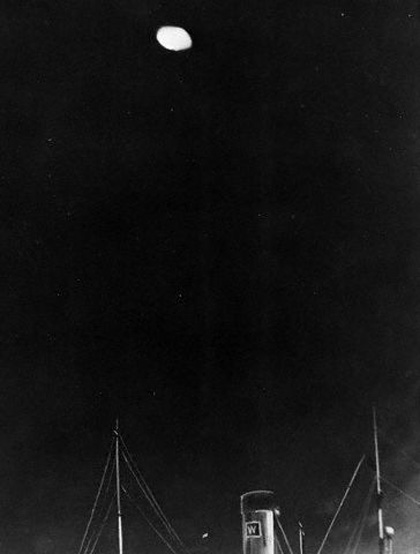
Just one month after Kenneth Arnold’s famous sighting, the saucer flap was in full swing. On July 9, 1947, off the coast of California, three Army Air Force veterans spotted six of the craft over Catalina Island. One of them, a former aerial photographer named Bob Jung, managed to snap a picture of one of the discs as it passed overhead.

The photo shows a small, bright, circular object against the sky, high above the masts of a steamer ship. Coming from credible witnesses with military backgrounds, the sighting and the photo carried significant weight during the summer of the saucers.

The McMinnville Photos: The Holy Grail (1950)

If there is one case from this era that has stood the test of time, it’s this one. On May 11, 1950, Evelyn Trent went into her backyard in McMinnville, Oregon, to feed her rabbits. What she saw made her scream for her husband, Paul.

A silent, metallic, saucer-shaped craft was gliding slowly across their farm. Paul grabbed their camera and managed to take two photographs before it picked up speed and vanished.


These two photos have been subjected to decades of intense scrutiny. The negatives were analyzed by the Condon Committee, a government-funded UFO study, which couldn’t prove them a hoax. Photo analysts have studied the lighting, the shadows, and the object’s position relative to a wire in the foreground. For over 70 years, no one has been able to definitively debunk them. The Trents were simple farmers, not hoaxers seeking fame, and they stuck to their story until their dying day. Many researchers consider the McMinnville photos to be the most compelling photographic evidence for UFOs ever taken.

The Washington D.C. Invasion (1952)

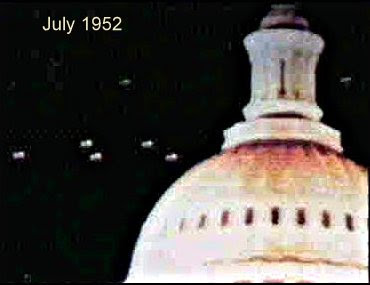
In July of 1952, the phenomenon reached a terrifying crescendo. For two consecutive weekends, dozens of unidentified objects swarmed the skies over Washington D.C. They were tracked on radar at three separate airports. They buzzed the White House and the Capitol Building. The Air Force scrambled its top jet fighters to intercept, but the objects would dance around them, or simply vanish when they got close.

It was a national crisis, played out on the front pages of every newspaper in the country. And during the chaos, a photographer captured this chilling image of the strange lights passing over the Capitol dome.

This was no weather balloon. This was a direct, bold, and undeniable display of superior technology in the most heavily restricted airspace on the planet. The official explanation was a “temperature inversion,” a bizarre weather phenomenon that supposedly tricked the radar systems. An explanation that nobody, especially the radar operators and pilots involved, ever truly believed.

More Sightings from the Golden Age

The wave was relentless. The evidence kept piling up from every corner of the world.

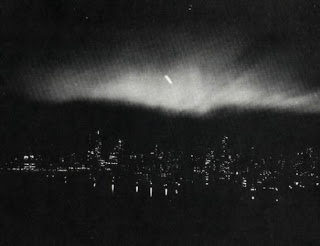
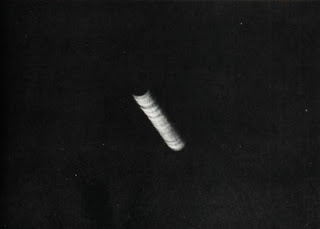
A strange, cylindrical UFO was photographed over New York City on March 20, 1950.


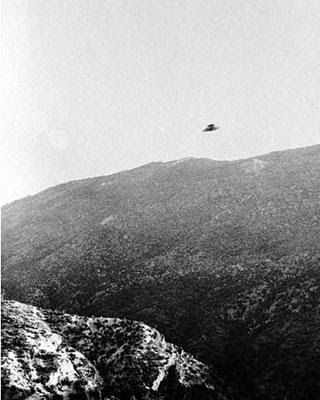
On November 23, 1951, Guy B. Marquand, Jr. took a picture of a classic “flying saucer” on a mountain road near Riverside, California.

On July 7, 1947 (the same week as Roswell and Catalina), William Rhodes in Phoenix, Arizona, photographed a disc with a strange tail, an object that experts confirmed was a true photographic image, not a flaw.

An amateur photographer snapped several shots of a UFO over Passoria, New Jersey, in July 1952, right in the middle of the D.C. flap.


On July 19, 1952, a customs inspector named Domingo Troncoso photographed a massive, dirigible-shaped craft on the border between Peru and Bolivia.

And finally, in 1956, Elizabeth Klarer, a respected woman married to a major in the South African Air Force, took a series of incredibly clear photos of a saucer in the Drakensberg Mountains. Working for Air Force Intelligence, she was a highly credible witness who never wavered from her story until her death. Her photos are considered by many to be some of the best ever taken.

The Verdict Written in Silver Halide

One photo can be dismissed as a fluke. Two as a coincidence. But this? This is a pattern. From the lonely peak of Mount Washington in 1870 to the skies over South Africa in 1956, the cameras don’t lie. Across different decades, different continents, and different types of film, they all captured the same fundamental mystery: we are being visited.

These photographs are more than just curiosities. They are historical documents. They are a chronicle of a phenomenon that has shadowed humanity for far longer than we’ve been willing to admit. The evidence isn’t hidden in some secret underground base. It’s been here all along, in old family albums and dusty archives, waiting for a generation brave enough to look at it and ask the right questions.

What are they? Where do they come from? Why are they here?

The answers aren’t coming from the government. The answer is in these frames. The story of the UFO is the story of humanity, seen through a different lens. And it’s a story that is far from over.

Originally posted 2014-03-15 22:11:03. Republished by Blog Post Promoter