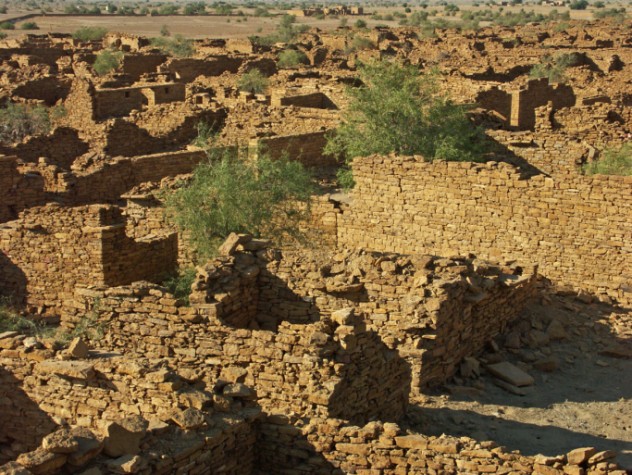
The Silent Scream of Kuldhara: What Happened to the 1,500 People Who Vanished in a Single Night?
Picture this. A town. Not just a few houses, but a thriving, prosperous community of over 1,500 souls, spread across 84 different villages. A people known for their intellect, their wealth, and their almost magical ability to make the desert bloom. For centuries, they lived, they traded, they built. And then, one night, they were gone.
Gone.
Not a battle. Not a plague. Not a single body left behind. Just an unnerving, deafening silence where laughter and life once filled the air. They vanished as if swallowed by the sand itself, leaving behind their homes, their possessions, and a curse that still echoes through the scorched, empty streets two centuries later.
This isn’t the plot of a horror movie. This is the chilling, true story of Kuldhara, the ghost village of Rajasthan. A place so steeped in mystery that the air itself feels heavy with unspoken secrets. Forget your typical haunted house tales. This is the story of a ghost *nation*. An entire community that walked out into the desert night and never looked back.
But why? What could possibly force thousands of people to abandon everything they had ever known? And where did they go? The official story is terrifying enough. But the theories that bubble up from the dark corners of the internet and the whispers of local historians are something else entirely.
Strap in. We’re heading into the heart of the Thar Desert, down a lonely road where the past is never truly dead. It’s just waiting.

The Legend We All Know: A Tyrant, a Girl, and a Midnight Escape
Every ghost story has its villain. In Kuldhara’s tale, he has a name: Salim Singh. He wasn’t the king, but he might as well have been. As the Diwan, or Prime Minister, of the Jaisalmer state in the early 19th century, his power was absolute, and his cruelty was legendary. He was a man driven by greed and lust, a man who saw the world and its people as his personal property.
The Paliwal Brahmins, the residents of Kuldhara and its surrounding villages, were everything Salim Singh was not. They were respected, innovative, and incredibly wealthy. They were not warriors; they were scholars, traders, and agricultural geniuses who had mastered the art of survival in one of the world’s most hostile environments. And they paid their taxes. Heavy taxes, which Salim Singh kept raising, bleeding them dry to fund his own opulent lifestyle.
But money wasn’t enough. The story goes that one day, Salim Singh’s predatory gaze fell upon the beautiful daughter of the Kuldhara village chief. He was captivated. He was obsessed. He demanded her hand in marriage.
This was no proposal. It was a threat. An ultimatum. The Paliwals were given a deadline. Surrender the girl, or face the full, horrifying wrath of the Diwan’s army. The community was trapped. To refuse meant slaughter. To accept meant dishonoring one of their own and submitting to a tyrant’s will forever.
The Impossible Choice
Imagine that night. The secret meeting of the clan elders from all 84 villages. The flickering lamps casting long, dancing shadows on their worried faces. The air thick with fear and righteous anger. They had built this life from nothing, turning barren sand into a prosperous civilization. Were they to give it all up? For one girl? For their honor?
The answer was a resounding, unified yes. They would not bow. They would not break. But they would not fight either. They would simply… disappear.
Under the cloak of a moonless night, a silent exodus began. Over 1,500 people from 84 villages gathered what little they could carry and melted into the desert. No one saw them leave. No carts rumbled, no children cried. It was a perfectly executed, synchronized act of defiance. They left behind warm embers in their hearths and food in their kitchens, creating the illusion that life was continuing as normal.
But before they left, they laid down a curse. A final, desperate act of vengeance against the man who had driven them from their homes. They cursed Kuldhara, proclaiming that no one would ever be able to settle on this land again. Any who tried would meet with death, disease, and despair.
When Salim Singh’s soldiers arrived the next morning to claim his prize, they found a ghost town. An eerie, silent testament to a people’s unbreakable will. The curse, it seems, held true.

Deep Dive: Who Were the Paliwal Brahmins?
To truly understand the weight of their decision, you need to know who these people were. The Paliwals were not just simple villagers. They were visionaries. Originally from the Pali region of Rajasthan, they migrated to the Jaisalmer area in the 13th century. They were a highly educated and enterprising community.
Masters of the Desert
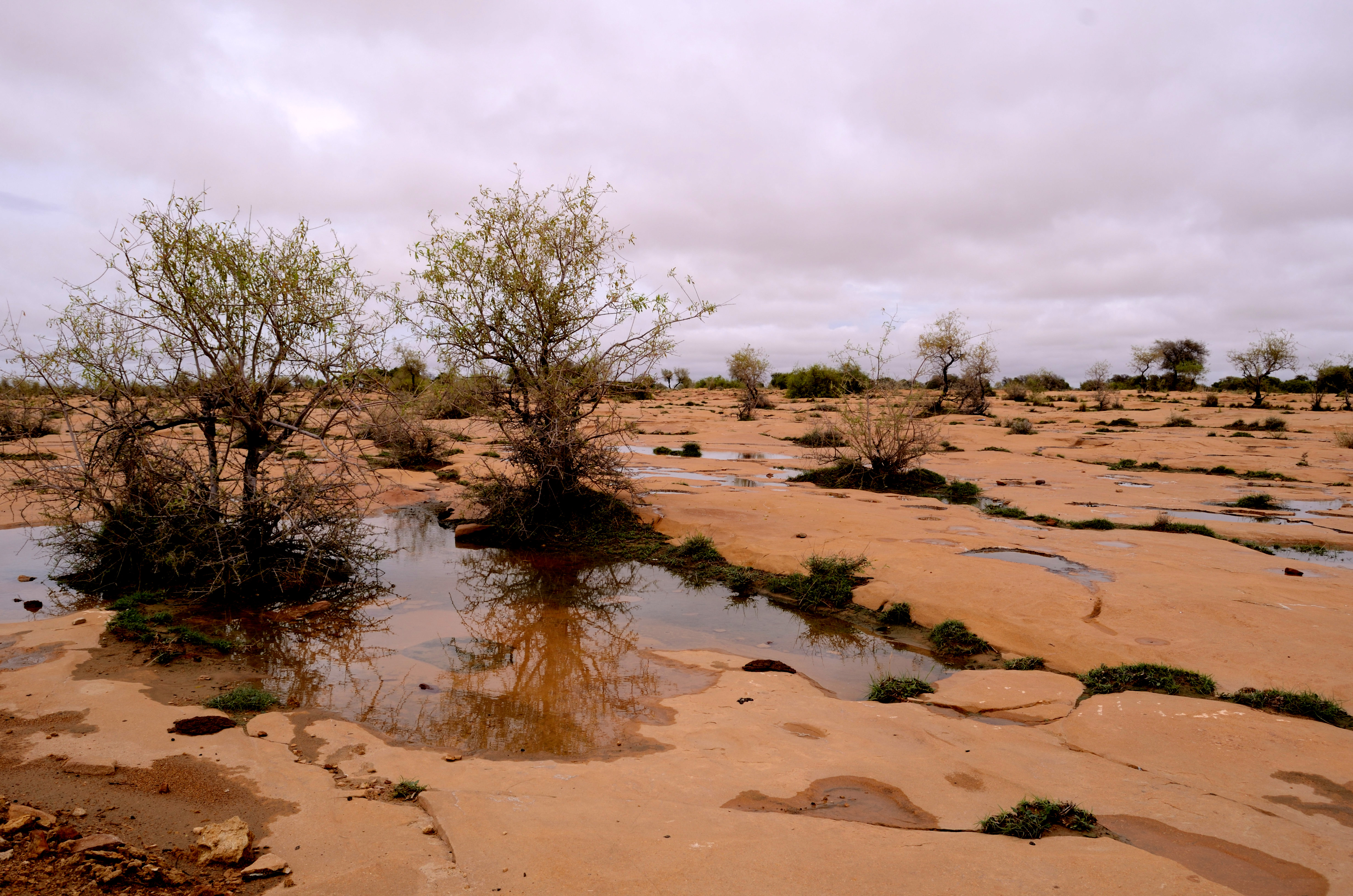
Their true genius lay in their understanding of the land. How do you farm in a place that gets almost no rain? The Paliwals had the answer. They developed a unique water harvesting system using structures called “khadins.” These were ingenious earthen embankments built across sloped land to capture the sparse monsoon runoff. This trapped water would seep into the soil, creating fertile patches of land perfect for growing crops like wheat and chickpeas, even as the surrounding desert remained parched and barren.
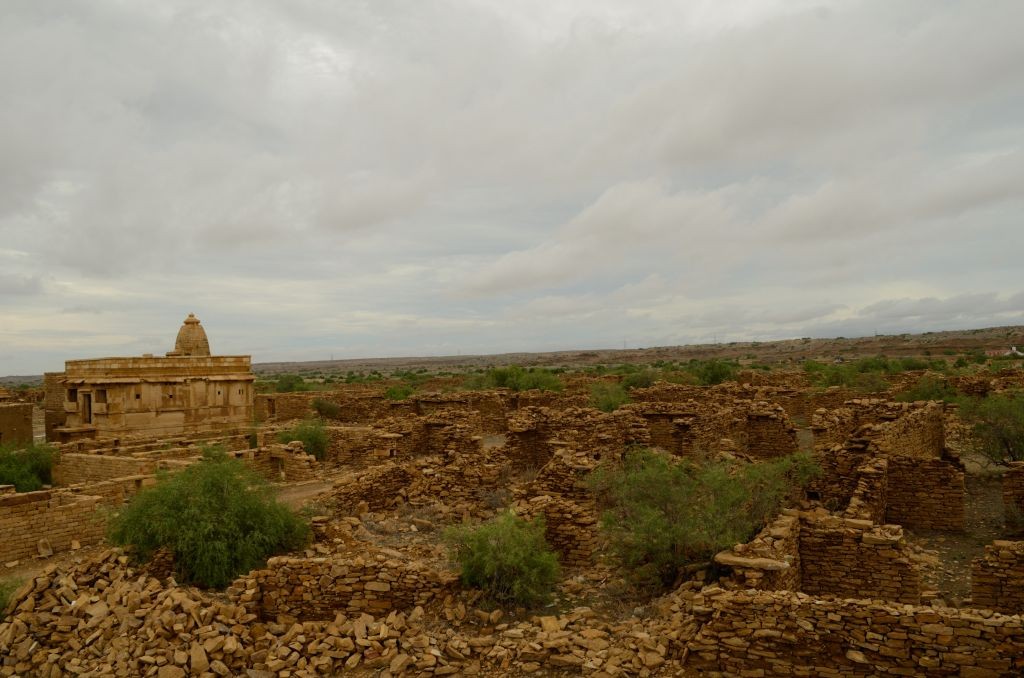
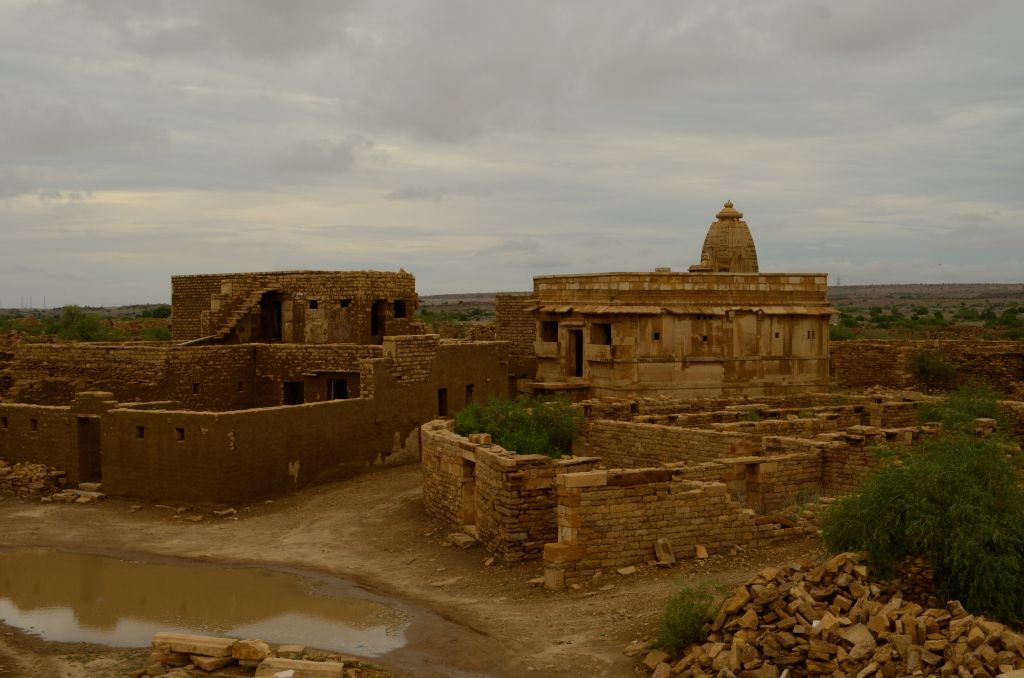
This agricultural mastery made them rich. Their villages were not random collections of huts. Kuldhara was a meticulously planned town with wide, straight streets, a central temple, and multi-story homes made of mud and brick. They were architectural wonders, designed to stay cool in the brutal summer heat. They left behind more than just a ghost town; they left behind proof of a brilliant, thriving civilization.

Ghostly Encounters or Desert Tricks?
A story this dramatic is bound to attract attention. For decades, Kuldhara has been a magnet for paranormal investigators, thrill-seekers, and curious tourists. The government of Rajasthan has even designated it a tourist site, but the gates are locked at sunset. No one is allowed to stay in Kuldhara overnight. Why?
The stories, of course. Locals and visitors have reported a catalog of strange occurrences:
- Disembodied Voices: People claim to hear whispers and conversations in a language they can’t understand, echoing through the empty lanes.
- Shadow Figures: Fleeting shapes are often seen darting between the crumbling walls, always just at the edge of your vision.
- The Touch of the Unseen: A common report is the feeling of a cold hand on your shoulder, only to turn around and find no one there.
- Child-Sized Handprints: A particularly creepy legend involves mysterious small handprints appearing on the dusty windows of cars parked near the village.
The Indian Paranormal Society spent a night in Kuldhara and reported bizarre activity on their equipment. EMF readers spiked, spirit boxes seemed to capture voices calling out names, and investigators felt sudden, inexplicable drops in temperature. Are these the restless spirits of the Paliwals, forever tied to the homes they were forced to abandon? Or is it something else? The wind whistling through hundreds of ruined structures can create some very strange sounds. And the power of suggestion in a place so famously “haunted” is strong.

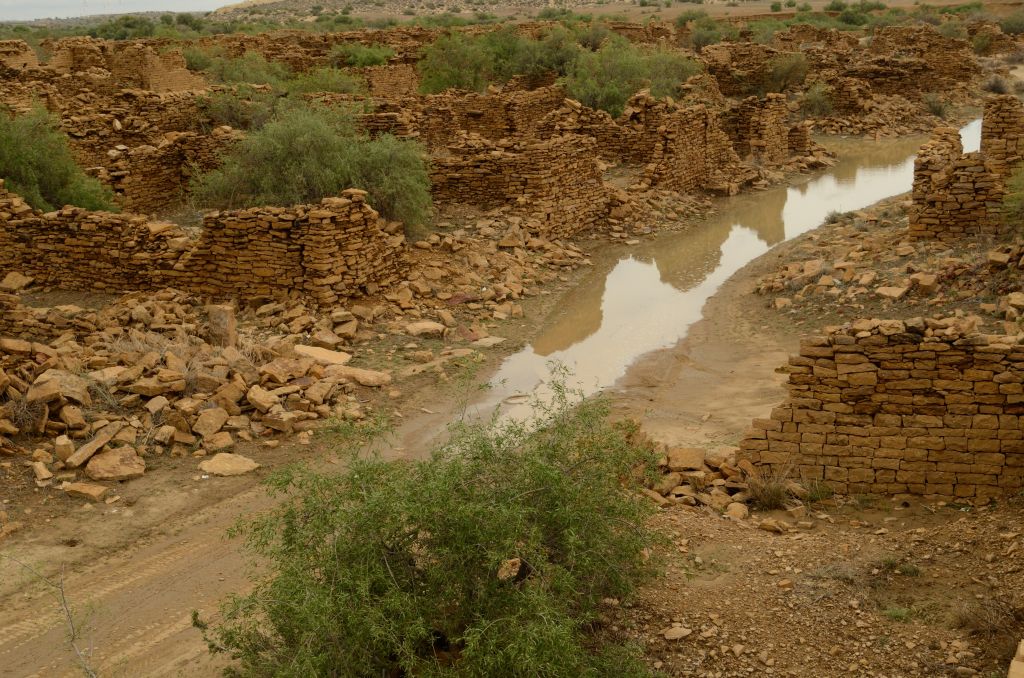
Climbing a rickety flight of steps inside one of the abandoned homes, you can see the scale of the desertion. The whole village stretches out before you, a maze of broken remnants and silent streets. Puddles of water from a recent rain reflect the crumbled ruins, creating a mirror image of the decay. The silence isn’t peaceful. It’s heavy. It’s a silence full of things that were never said.
The Skeptic’s Case: What REALLY Happened at Kuldhara?
The legend of Salim Singh is a fantastic story. It’s got a clear villain, brave heroes, and a supernatural curse. It’s the kind of tale that sticks. But is it the truth? Historians and researchers have poked holes in the popular narrative, suggesting the real reason for the great vanishing might be less romantic, but no less dramatic.
Theory 1: The Wells Ran Dry
The Paliwals were water masters, but they were still at the mercy of the climate. What if the real villain wasn’t a man, but nature itself? Some geologists believe a major earthquake could have struck the region, disrupting the underground water table and destroying the Paliwals’ khadins. Others suggest a prolonged, devastating drought—a climate shift that even their advanced techniques couldn’t overcome. The river that fed their systems may have simply dried up. A gradual, desperate migration over a few years could easily have been compressed into a dramatic “one-night” legend over time. It’s a slow, painful death for a civilization, not a single, defiant act.
Theory 2: It Was the Economy, Stupid
Salim Singh was a real person, and he was absolutely known for his crippling taxes. The story of him desiring the chief’s daughter might be an embellishment, a single dramatic event to personify years of relentless economic oppression. The Paliwals were businessmen. It’s possible they did a cost-benefit analysis and realized their entire way of life was no longer sustainable under the Diwan’s rule. The mass exodus might not have been a flight of terror, but a calculated economic protest on a massive scale. By leaving, they would collapse the region’s economy and rob Salim Singh of his biggest source of tax revenue. A final, brilliant move from a community of strategists.
Theory 3: The Silk Road Moved
The Paliwals were also traders, and their prosperity was tied to the trade routes that passed through the region. As history progressed, these trade routes shifted. New sea routes were established by European powers, making many of the old overland routes, like the ones the Paliwals depended on, obsolete. With their trade income dwindling and taxes rising, they may have simply decided to relocate to more prosperous areas. A smart business decision, not a paranormal event.
So, what about the curse? Perhaps it was a brilliant piece of propaganda. By spreading the story that the village was cursed, the Paliwals could ensure that no one would claim the lands they had been forced to abandon. It was a way of salting the earth behind them, ensuring their tormentor could never profit from their departure.

The Unsettling Truth
As you walk through Kuldhara today, you’ll see a lone temple, renovated amidst the ruins. It stands as a stark contrast to the surrounding decay. You might even meet a caretaker, an old man with a flowing beard and eyes that seem to hold the desert’s secrets. He might tell you the famous legend, his voice carrying on the wind like a whisper from the past.
But he might also dismiss the ghost stories. The truth is, no one knows for sure what happened. The Paliwals were literate, they kept records. Yet not a single one of their texts has been found that explains their departure. They simply wrote themselves out of history.
And that is, perhaps, the most unsettling part of the Kuldhara mystery. It’s not the ghosts. It’s the silence. The complete and total lack of answers. We don’t know why they left. We don’t know where they went. Some say they settled in other parts of Rajasthan, their bloodlines mixing with other communities until their unique identity was lost. But no one can point to a place and say, “This is where the people of Kuldhara went.”
So, was it a curse? A drought? A tax revolt? Or something stranger still? The stones of Kuldhara aren’t talking. They just stand there, silently baking under the desert sun, keeping their 200-year-old secret. And as the sun sets and the long shadows reclaim the empty streets, you can’t help but feel it. The weight of 1,500 goodbyes, all said at once, in the dead of night.