Saturday, June 13, 2026
HomeFilms & DocumentariesWho Killed Biggie & Tupac?

Who Killed Biggie & Tupac?

The Unkillable Theory: Did Suge Knight and the LAPD Murder Tupac and Biggie?

Two kings. Two coasts. Two unsolved murders that ripped the heart out of hip-hop.

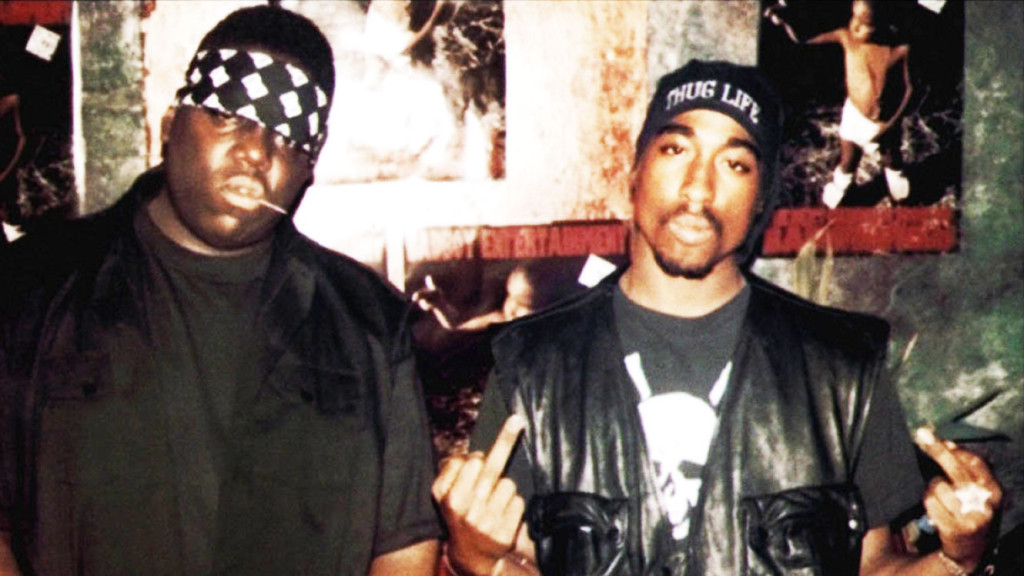
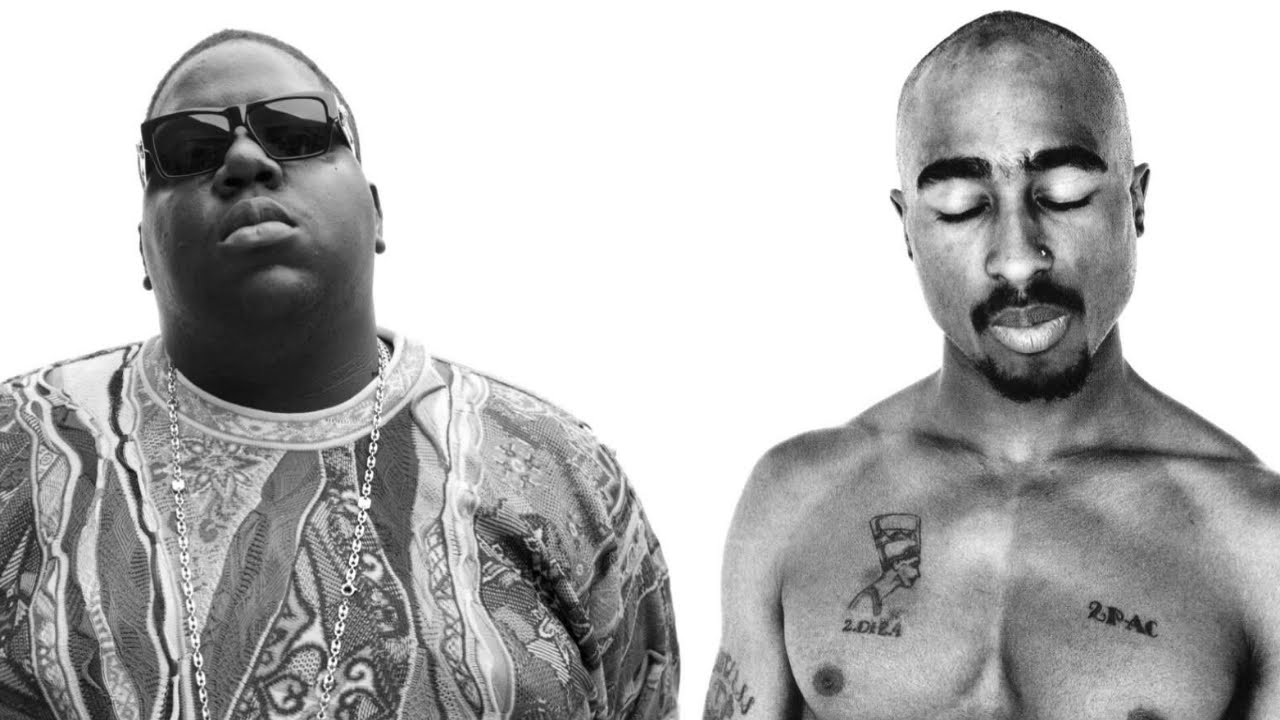
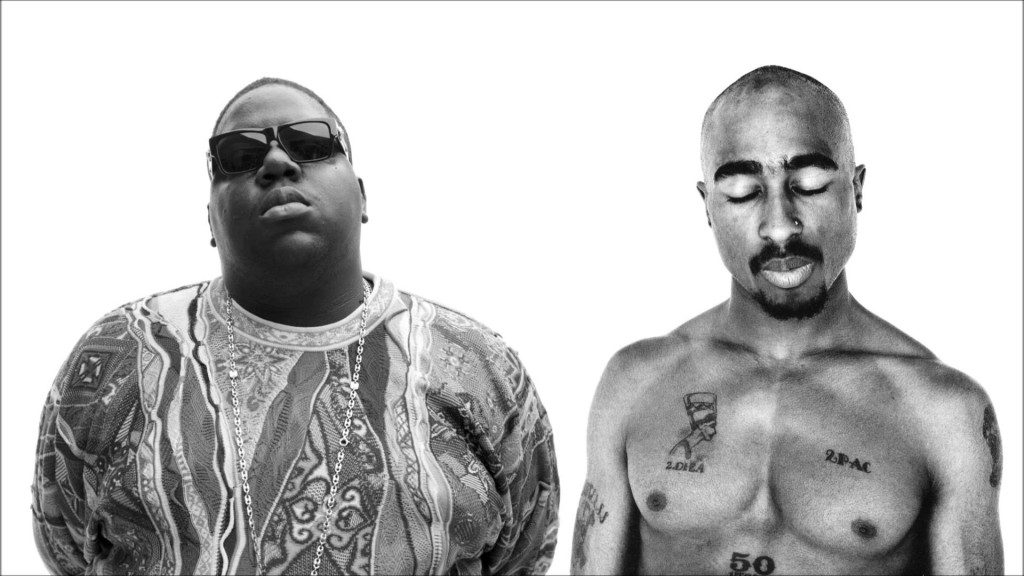
You know their names. Tupac Shakur. Christopher Wallace, The Notorious B.I.G. Their ghosts have haunted music for decades, their deaths shrouded in whispers, rumors, and a fog of unanswered questions. The official stories feel… thin. Too simple. Street beef. A robbery gone wrong. Case closed? Not even close.

Because there’s another story. A darker one.

A story that doesn’t just live in the back alleys of Compton and Brooklyn, but slithers through the polished hallways of the Los Angeles Police Department. A story that points a bloody finger at one of the most feared and powerful men in music history: Marion “Suge” Knight, the titan of Death Row Records.

This isn’t just about a rap rivalry. This is about a full-blown conspiracy, a theory so explosive it threatens to burn down everything we thought we knew. A theory brought to the masses by a wild-eyed British filmmaker named Nick Broomfield in his 2002 documentary, Biggie & Tupac. He didn’t just suggest it. He screamed it.

So, who really killed Biggie and Tupac? Was it a simple gang feud? Or was it an inside job, orchestrated by the very man sitting next to Tupac when the bullets flew, with the help of the cops themselves? Let’s pull the pin on this grenade.

A War of Words and Wax

To understand the murders, you have to understand the war. In the mid-90s, hip-hop wasn’t just music; it was a territorial battleground. On one side, you had New York’s Bad Boy Records, led by the flashy, champagne-popping Sean “Puffy” Combs and his lyrical genius, Biggie Smalls. They were the kings of the East Coast.

On the other side? The West Coast juggernaut, Death Row Records. Run by the intimidating Suge Knight, an imposing figure with a reputation for violence and a roster that included Dr. Dre, Snoop Dogg, and their new superstar, Tupac Shakur.

It started with diss tracks and awards show staredowns. It felt like sport. But then came November 30, 1994. Tupac was shot five times and robbed in the lobby of Quad Recording Studios in Manhattan. Biggie and Puffy were in the building at the time. Tupac survived, but he left that lobby a different man. He was convinced his former friends had set him up. Paranoid. Vengeful.

The rivalry was no longer on wax. It was in the blood.

Biggie & Tupac

September 7, 1996: The King Falls in Vegas

The night the world stopped. Las Vegas. Mike Tyson is fighting Bruce Seldon at the MGM Grand. Tupac and Suge are ringside, the kings of the world. Tyson wins in a flash. The celebration spills out into the casino lobby.

And then, it happens. A member of their entourage spots Orlando “Baby Lane” Anderson, a member of the rival Southside Compton Crips. Words are exchanged. Accusations fly about a stolen Death Row chain. Tupac throws the first punch. Suge and the Death Row crew descend on Anderson, stomping and kicking him on the casino floor.

Security breaks it up. The crew leaves, high on adrenaline. They pile into a fleet of luxury cars, with Suge at the wheel of his black BMW 750iL and Tupac riding shotgun. They’re headed to Club 662, Suge’s own nightclub, to continue the party.

They never make it.

Stopped at a red light on Flamingo Road, a white, late-model Cadillac pulls up alongside them. A hand emerges. A gun fires. A hail of bullets tears through the passenger side of the BMW. Four shots hit Tupac. Suge is grazed in the head by shrapnel.

The Cadillac vanishes into the Vegas night. Six days later, Tupac Amaru Shakur is dead.

The obvious suspect? Orlando Anderson and the Crips, seeking revenge for the beatdown. That’s the simple story. But Nick Broomfield’s documentary asked a terrifying question: What if the most obvious answer was a lie?

The Broomfield Bomb: Suge Knight’s Ultimate Betrayal

Enter Nick Broomfield, a documentarian known for getting in the faces of his subjects. His film, Biggie & Tupac, landed like a tactical nuke on the official narrative. It didn’t just point fingers; it presented a chilling, elaborate theory that Suge Knight—the man sitting right next to Tupac—had orchestrated the whole thing.

But why? Why kill your golden goose, your biggest star?

Money. The oldest motive in the book. According to the film’s sources, Tupac was getting ready to leave Death Row Records. He was unhappy, felt he was owed millions in royalties, and wanted to start his own production company. For Suge, this was unthinkable. Tupac was Death Row. If he walked, the empire would crumble. But if he died? He became a martyr. His unreleased music would be worth a fortune, and Suge would control all of it.

As Snoop Dogg himself famously told Broomfield when asked who killed Tupac: “The big guy next to him in the car… Suge Knight.”
The Disgraced Detective: Russell Poole’s One-Man War

The entire spine of Broomfield’s film is the work of one man: former LAPD detective Russell Poole. Poole was a straight arrow, a cop’s cop, who stumbled into the rabbit hole while investigating the murder of an off-duty black police officer. That investigation led him to another officer, David Mack, and a web of corruption that seemed to lead directly to Death Row Records.

Poole became obsessed. He believed a faction of LAPD officers, many of whom worked off-duty as security for Death Row, were essentially on Suge Knight’s payroll. They were his enforcers. His private army with badges.

When Biggie was murdered six months after Tupac, Poole was the lead investigator. He saw connections everywhere. He was convinced the LAPD was intentionally botching the case, covering up evidence, and shutting down his leads. He believed Suge Knight, with the help of dirty cops like David Mack, was behind BOTH murders. His superiors told him to drop it. They called his theories a fantasy. Frustrated and disgusted, Poole resigned from the force in 1999, but he never gave up his crusade.

The Voices from the Shadows

Poole wasn’t alone in his beliefs. Broomfield’s film is a parade of shadowy figures, ex-cons, and bodyguards, all telling versions of the same dark story. But their credibility was, to put it mildly, questionable.

Broomfield’s interview subjects aren’t the most credible bunch. They include bounty hunter and ex-con Kevin Hackie, an ex-LAPD officer [Russell Poole on whose theory Broomfield’s film is built] who talks about mysterious documents that never turn up; Mark Hyland, known for some reason as the Bookkeeper, who is in prison awaiting trial on 37 counts of impersonating a lawyer when he tells Broomfield that he was present when Knight and crooked cops arranged a hit on Biggie; and Biggie’s mother, friends and bodyguard, who obviously have no reason to present Wallace as anything less than a hip-hop martyr.

Kevin Hackie, a former Death Row bodyguard, was a key source. He claimed to have “personal knowledge” of the murder, alleging Death Row offered $25,000 to a cop to kill Biggie. But later, Hackie told the Los Angeles Times he suffered from memory lapses due to psychiatric medications. He even claimed the Wallace family attorneys had altered his statements.

Another key informant for Poole’s theory was a schizophrenic man known only as “Psycho Mike.” It was a house of cards built on the words of men who were either unreliable, incarcerated, or mentally unwell.

March 9, 1997: The King of New York Falls in L.A.

Six months after Tupac’s death, the hip-hop world was still reeling. Biggie Smalls traveled to Los Angeles to promote his upcoming album, “Life After Death.” It was a peace mission, an attempt to quell the coastal war.

He attended a Vibe magazine party at the Petersen Automotive Museum. The atmosphere was tense. The party was shut down early by the fire department due to overcrowding. Around 12:45 AM, Biggie left in a two-SUV convoy.

At a red light just 50 yards from the museum, it happened again.

A dark-colored Chevrolet Impala SS pulled up next to Biggie’s GMC Suburban. A man in a blue suit and bow tie fired a 9mm pistol into the passenger side. Biggie was hit four times in the chest. He was pronounced dead at Cedars-Sinai Medical Center.

The parallels were terrifying. A drive-by. A celebrity party. An Impala. It screamed retaliation. But the Poole/Broomfield theory offered a more sinister explanation. What if this wasn’t revenge? What if it was a diversion? A brilliant, cold-blooded move by Suge Knight to make it look like the East Coast/West Coast war was still raging, drawing all suspicion away from himself for Tupac’s murder.

Biggie & Tupac

Where the Conspiracy Crumbles

It’s a seductive theory. It feels epic. But when you poke at it, the whole thing starts to wobble. Poole’s theory identified the alleged triggerman in Biggie’s murder as Amir Muhammad, a mortgage broker and associate of David Mack. But the evidence linking him was flimsy at best—a composite sketch and the word of a jailhouse informant.

Then came the counter-narrative, a year-long investigation by *Los Angeles Times* reporter Chuck Philips. His 2002 series, “Who Killed Tupac Shakur?,” dismantled the Suge Knight theory piece by piece. Philips interviewed gang members, cops, and witnesses. His conclusion was blunt and brutal.

There was no grand conspiracy. There was no LAPD cover-up. There was no Suge Knight master plan.

It was simple, ugly street justice. The Southside Crips, led by Orlando Anderson, hunted Tupac down and killed him to avenge the beatdown in the MGM lobby. Anderson himself pulled the trigger. Las Vegas police had briefly questioned Anderson, but let him go. He was killed a year and a half later in an unrelated gang shootout, taking his story to the grave.

The Wallace family, believing Poole’s theory, filed a massive $500 million wrongful death lawsuit against the city of Los Angeles. It was the ultimate test of the conspiracy. But the suit was built on those same shaky sources—Kevin Hackie and “Psycho Mike.” It dragged on for years before being dismissed in 2010. The grand theory had failed its biggest test.

The Modern Twist No One Saw Coming

For years, that’s where the story ended. Two camps. The conspiracy theorists who believed Poole and Broomfield, and the realists who sided with the Chuck Philips investigation. It was a cold case, a mystery frozen in time.

Until now.

The internet age brought new life to the case. Podcasts, Reddit threads, and YouTube deep dives kept the story alive. But one name kept bubbling to the surface: Duane “Keefe D” Davis. Orlando Anderson’s uncle. A known Southside Crip who has long boasted he was one of the four men in the white Cadillac that night in Vegas.

For years, he dropped hints in interviews and even wrote a tell-all book, “Compton Street Legend.” He admitted he was in the car. He admitted they were hunting for Tupac. And he named his own nephew, Orlando, as the shooter. He was untouchable, he thought, because he’d talked to federal authorities under an immunity agreement years earlier.

He thought wrong.

In a stunning development, on September 29, 2023, Las Vegas police arrested 60-year-old Keefe D and charged him with the murder of Tupac Shakur. Twenty-seven years later, the cold case was red hot.

Keefe D’s arrest seems to finally confirm the “simple” revenge theory. It was the Crips. It was Orlando Anderson. Russell Poole was wrong. Nick Broomfield was wrong. But wait.

It gets crazier.

In his confessions, Keefe D added a new, mind-blowing twist. He claimed that Sean “Puffy” Combs offered him and his crew $1 million to kill both Tupac and Suge Knight. Suddenly, the East Coast/Bad Boy angle, long dismissed in the Tupac case, came roaring back to life.

The Unsettled Dust

So where does that leave us? With Keefe D’s upcoming trial, are we finally about to get the truth about Tupac’s murder? His arrest confirms the long-held belief that Orlando Anderson was the triggerman, seemingly demolishing the Suge Knight conspiracy.

But it also drags Puffy and Bad Boy back into the heart of the storm. And it does nothing to solve the murder of The Notorious B.I.G.

That case remains officially unsolved. A gaping wound.

Was Russell Poole a lone crusader destroyed by a corrupt system he tried to expose? Or was he a tragic figure who chased shadows and built a conspiracy on the testimony of liars and madmen? The truth is probably somewhere in the murky middle. The LAPD’s investigation into Biggie’s death was, by all accounts, a mess of incompetence and possible corruption, even if it wasn’t a grand plot to kill him.

Two decades after Broomfield’s documentary, the questions linger. The music plays on, but the silence that followed the gunshots has never truly been broken.

The bodies are buried. The legends live forever. And the mystery refuses to die.

Arindam Mukherjee
Arindam Mukherjee
Arindam loves aliens, mysteries and pursing his interest in the area of hacking as a technical writer at 'Planet wank'. You can catch him at his social profiles anytime.
RELATED ARTICLES

20 COMMENTS

- Advertisment -

Most Popular

Recent Comments

Warren Pan Abbott on The legend of the Devil Monkey !
chris davies on The McPherson Tape Mystery
Reed Reedly on ET has Internet!
Bea Houseoffashion on Proof Of Time Travellers – Gallery
Marcus2012 on ET has Internet!
Reed Reedly on ET has Internet!
LaughsAtConspiracyNuts on The 9/11 Conspiracy – Myths and Facts
Alex Sliverman on Did the ancients fly?
Doctor Wholigan on Time Traveler in 1938 film
chris davies on The McPherson Tape Mystery
Archie1954 on 10 secret UFO hideouts
chris davies on Ghosts of flight 401
Marcus2012 on ET has Internet!
jason Macdonald on Proof of Time Travel? – China
chris davies on Long-Lost Pyramids Found?
Reed Reedly on ET has Internet!
Milkman on Connected Universe
Tenmiles on Baigong Pipes Mystery
Simon Foster on Sirius – The Documentary
From the 1st April on 2013 – Alien Contact date ?
SkyWatcher on Is ET ignoring us?
I Come From The Future on Obama to make UFO Alien disclouser soon ?
Just another person on 2013 – Alien Contact date ?
Malcolm Windowcleaner on The strange case of Rudolph Fentz
Mason Servio on Strange Things on Mars
Marke Wisdom Seeker on What will we find as arctic melts?
Andrea A Elisabeth Levyne on Aliens Captured in Varginha, Brazil
Mitch Grouyeki on Amazing Space Shuttle pictures