Interesting facts about the 2014 Brazil World Cup

    0
    103

    The World Cup’s Darkest Secrets: What They Don’t Want You to Know

    They tell you it’s just a game. Ninety minutes of passion. A global festival of unity and sport. Billions of us huddle around screens, painted faces, hearts pounding, living and dying with every pass, every tackle, every goal.

    That’s the official story.

    But behind the roar of the crowd and the confetti showers lies another world. A shadow world. A place of staggering wealth, political power plays, and secrets so strange they sound like fiction. The FIFA World Cup isn’t just the biggest sporting event on the planet. It’s a century-old machine with gears greased by money, ambition, and sometimes, even blood.

    Forget the surface-level trivia you think you know. We’re going deeper. We’re going past the sanitized highlight reels and into the hushed backroom deals, the unsolved mysteries, and the geopolitical chess matches played on a patch of grass.

    What really happened to the original trophy? Why does a single corporation get to rewrite a host nation’s laws? And how did a simple soccer match ignite an actual war?

    Buckle up. The beautiful game is about to get ugly.

    The Curse of the Golden Goddess: The Trophy That Vanished Twice

    Every winner of the World Cup hoists a trophy. But it’s not the *original* trophy. Not the one they first played for. The original, the Jules Rimet Trophy, is gone. Vanished. And its story is one of the greatest unsolved mysteries in sports history.

    A Trophy Hidden from the Nazis

    Let’s rewind. The year is 1938. Italy, under the thumb of fascist dictator Benito Mussolini, wins the World Cup for a second consecutive time. The solid gold trophy, a stunning statue of Nike, the Greek goddess of victory, is in their possession. Then, World War II explodes across Europe.

    The Nazis wanted everything. Art, gold, religious artifacts… and the Jules Rimet Trophy. It was a potent symbol of global supremacy. But FIFA vice-president Ottorino Barassi, an Italian official, knew he couldn’t let it fall into their hands. In a move of incredible bravery, he secretly removed the trophy from a bank vault in Rome. He smuggled it home and hid it in a shoebox under his bed.

    Think about that. The most prestigious prize in sport, sitting in a dusty box, just inches from a sleeping man while Nazi search parties scoured the city for it. They even raided his home. But they never thought to look under the bed. Barassi saved the trophy from the war. But he couldn’t save it from what came next.

    The Dog Who Became a National Hero

    Fast forward to 1966. The World Cup is being held in England. The trophy, now a global icon, is put on public display at a stamp exhibition in London. It’s guarded. It’s secure. Until it wasn’t.

    One Sunday, thieves broke in and snatched it. Just like that. Gone. A national embarrassment unfolded. Scotland Yard was stumped. Ransom notes were sent. A massive search was launched. For seven agonizing days, the pride of England and the entire footballing world was missing.

    And then a hero emerged. Not a detective. Not a super-spy. A dog.

    His name was Pickles. A black and white collie who, while out for a walk with his owner in South London, started sniffing at a suspicious, newspaper-wrapped package tucked under a bush. Inside was the golden goddess. Pickles the dog had solved the case that baffled the best detectives in the country. He became an overnight celebrity, was awarded a medal, and even attended the players’ celebration banquet after England won the tournament. The thieves were never caught.

    Deep Dive: The Final Disappearance

    The story should end there. But it doesn’t. Brazil won the tournament for a third time in 1970, which meant, by the rules of the day, they got to keep the Jules Rimet Trophy forever. It was put on display at the Brazilian Football Confederation (CBF) headquarters in Rio de Janeiro.

    It sat behind bulletproof glass.

    But the thieves who came for it in December 1983 knew a secret. The back of the display case was made of simple wood. They pried it open with a crowbar and vanished into the night with the trophy. This time, there was no Pickles the dog. The trophy was never seen again.

    The official story is that the thieves melted it down for the gold. Several men were arrested and convicted, but the gold was never recovered. But is that the real story? Many in Brazil whisper that it’s a cover-up. That a trophy that survived the Nazis and a London heist couldn’t have been so easily destroyed. Some theories suggest it was sold intact to a shadowy private collector, a billionaire who keeps the real World Cup hidden away in a secret vault. Is the original trophy, the one held by heroes and hidden from villains, sitting on a private mantlepiece somewhere right now? We may never know.

    FIFA’s Shadow Government: Money, Beer, and Bending the Law

    You see the logos. The sponsors. The flashy commercials. But you probably don’t realize the sheer, terrifying power that FIFA, the organization behind the World Cup, wields over entire countries.

    It’s not just a sports federation. It’s a multi-billion-dollar corporation that operates like a sovereign state.

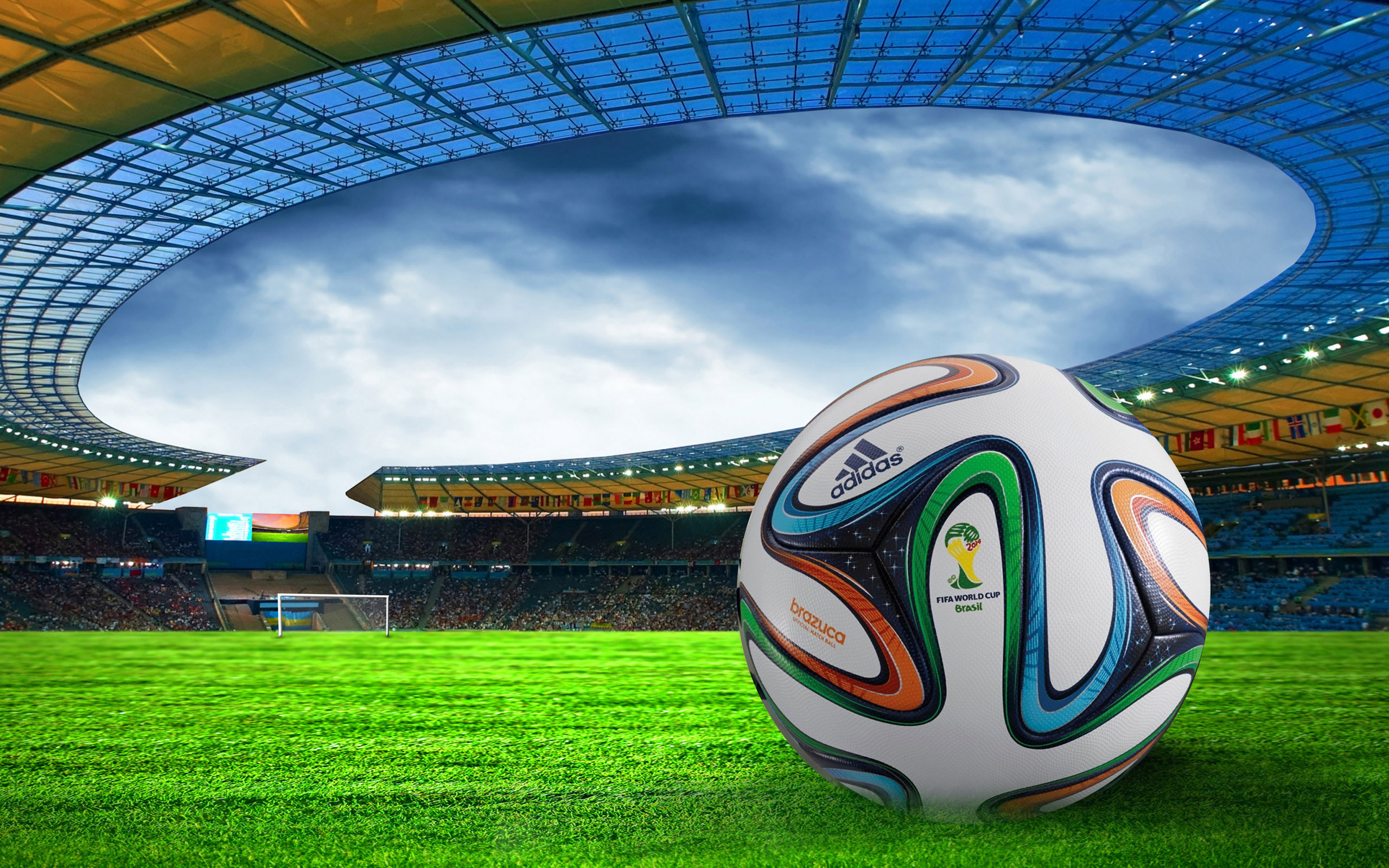
    Consider the 2014 World Cup in Brazil. For over a decade, Brazil had a law on the books banning the sale of alcohol inside football stadiums. It was a public health measure, designed to curb violence. A good law, right? Sensible.

    But then FIFA came to town. And one of their biggest, most powerful sponsors was Budweiser. A conflict was inevitable. Who would win? The sovereign law of a nation of 200 million people, or a beer company?

    It wasn’t even a contest. FIFA officials essentially told the Brazilian government that the law had to go. Jérôme Valcke, FIFA’s secretary general at the time, infamously said, “Alcoholic drinks are part of the FIFA World Cup, so we’re going to have them. Excuse me if I sound a bit arrogant but that’s something we won’t negotiate.”

    The Brazilian government folded. They passed a special law, nicknamed the “Budweiser Bill,” that suspended their own national ban for the duration of the tournament. Budweiser was the only beer on sale. The message was clear: when the World Cup comes to your country, FIFA’s rules are the only ones that matter.

    The Web of Wealth You Never See

    The money flowing through the World Cup is staggering, and it’s not just going to the players. During that same 2014 tournament, the referee for the Ghana vs. USA match was a man named Jonas Eriksson from Sweden. He wasn’t just a referee; he was a multi-millionaire. Years earlier, he sold his 15% stake in a Swedish sports media rights business for a fortune estimated to be over $10 million.

    This isn’t a scandal. It’s an illustration. The ecosystem of the World Cup is packed with people making fortunes you never hear about. Media rights brokers, marketing agents, logistics contractors, and, of course, the FIFA executives themselves. The controversy surrounding the awarding of the 2022 World Cup to Qatar, with its torrent of bribery and corruption allegations, peeled back the curtain just a little bit, showing a world of back-hand deals and envelopes stuffed with cash.

    It’s a system where even the instruments of joy are monetized and controlled. The Caxirola, Brazil’s answer to the Vuvuzela, was branded the “official instrument” of the 2014 World Cup. But after fans began throwing them onto the pitch during test games, they were banned from all stadiums. Banned for safety. But not before thousands were produced and sold, another drop in the massive ocean of World Cup commerce.

    When the Game Becomes War

    They call it a substitute for war. A peaceful way for nations to compete. But sometimes, the lines blur. Sometimes, the beautiful game becomes the catalyst for real-world conflict.

    The 100-Hour War

    The most shocking example? The “Fútbol War” of 1969. Tensions between the neighboring Central American countries of El Salvador and Honduras were already at a breaking point over immigration and land disputes. The final straw was a three-game playoff series to qualify for the 1970 World Cup.

    The first game in Honduras was marred by violence against visiting Salvadoran fans. The second game in El Salvador saw the Honduran team travel in armored cars and their national flag burned in the streets. El Salvador won the final, decisive playoff match in Mexico City. And just a few weeks later, the Salvadoran military launched an attack on Honduras.

    The conflict lasted only 100 hours but resulted in thousands of casualties and displaced over a hundred thousand people. While historians agree the war had deep political roots, the incendiary World Cup qualifiers were the spark that lit the fuse. It remains the only time a sporting event has been a named cause of a declared war.

    Deep Dive: Mussolini’s Death Threat

    The political manipulation of the World Cup is nothing new. In the 1930s, Benito Mussolini saw the tournament as the ultimate propaganda tool for his fascist ideology. When Italy hosted in 1934, the tournament was a thinly veiled political rally. Mussolini reportedly hand-picked referees for Italy’s matches to ensure favorable outcomes.

    But the 1938 World Cup in France was even more chilling. Before the final match against Hungary, a message was allegedly delivered to the Italian players and their coach, Vittorio Pozzo. It was a telegram from Mussolini himself. The contents were simple and terrifying.

    “Vincere o morire.”

    Win or die.

    Whether this was a literal death threat or a piece of hyper-patriotic motivation is debated to this day. But the players certainly took it seriously. Italy won the final 4-2. The Hungarian goalkeeper, who let in four goals, later quipped, “I may have let in four goals, but at least I saved their lives.”

    The Bizarre, the Unexplained, and the Just Plain Weird

    Beyond the politics and the money, the World Cup is a magnet for the strange. It’s a stage for human drama so intense that it produces stories that defy simple explanation.

    The Mystery of Ronaldo’s Final

    France 1998. The final is set. Host nation France versus the mighty Brazil, led by the greatest player on the planet, Ronaldo. He was a force of nature, seemingly unstoppable. And then, hours before the biggest game of his life, something happened.

    The initial team sheet was released, and Ronaldo’s name wasn’t on it. Panic. Rumors flew. Had he been dropped? Injured? Then, a new team sheet appeared. He was starting.

    On the pitch, he was a ghost. A shadow of his former self. France cruised to a 3-0 victory. The world was left asking: what happened to Ronaldo?

    The story that eventually emerged was one of chaos and mystery. Teammates said Ronaldo suffered a convulsive fit in his hotel room that afternoon, frothing at the mouth. He was rushed to the hospital for tests. Doctors cleared him to play just minutes before the game, but the damage was done. To this day, nobody knows the true cause of the seizure. Was it stress? A medical condition? Or do darker theories about an intentional poisoning hold any water? It remains one of the World Cup’s most haunting “what ifs.”

    The Invention They Ignored for Decades

    Have you ever seen the referee spray that white foam on the grass for a free-kick? It’s called vanishing spray. It’s a simple, brilliant idea to stop the defensive wall from creeping forward. The patent is called “9.15,” for the 9.15 meters (10 yards) the wall is supposed to be from the ball. Simple, right?

    So why did it take until the 2014 World Cup to be used on the global stage? The spray was invented by an Argentinian journalist, Pablo Silva, in the early 2000s and was used in South American leagues for years. But even before him, football legends like England’s Sir Bobby Charlton were part of committees in the 1980s that proposed the very same idea to football’s governing bodies.

    For decades, the idea was rejected. Why? Was it simple bureaucratic inertia? An old-guard resistance to change? Or were there powerful forces within the game who preferred the chaos, the arguments, the “human element” of a creeping wall? The delay in adopting such a simple, effective technology is a small but telling window into how slowly the wheels of power turn in the world of football.

    The next time you settle in to watch the World Cup, look past the pitch. Look at the logos on the billboards. Think about the history of the trophy they’re fighting for. Listen to the whispers behind the official commentary.

    You’re not just watching a football match. You’re watching the culmination of a century of power, money, and mystery, all playing out for the world to see. But the real secrets? They’re always kept just out of frame.

    Originally posted 2014-06-27 19:39:14. Republished by Blog Post Promoter